



Beyond the Windowsill Herb Pot
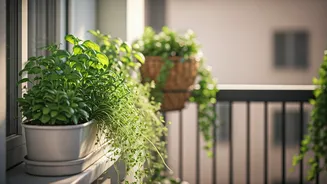
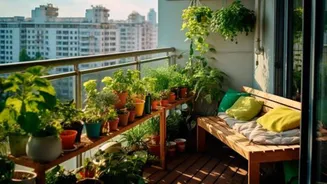
The idea of growing your own food isn't new, but the modern balcony garden is elevating this concept from a single, sad-looking basil plant to a thriving, multi-faceted extension of the kitchen. This isn't just about having a garnish on hand; it's about fundamentally
changing the way you cook. Imagine snipping a handful of fresh mint for a mojito, tossing a salad with greens that were growing 30 seconds earlier, or rubbing a roast chicken with a mix of thyme and rosemary picked from your own container. The sensory experience—the aroma of the plants, the vibrant colors—begins before you even start chopping. This immediate access to peak-freshness ingredients introduces a level of flavor and spontaneity that store-bought produce, no matter how good, simply can't match.
What to Grow for Maximum Impact
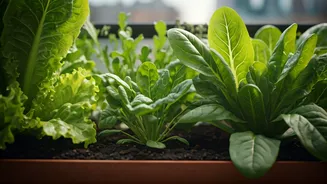
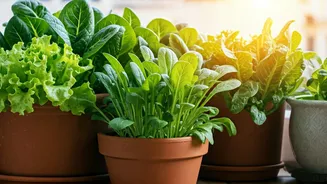
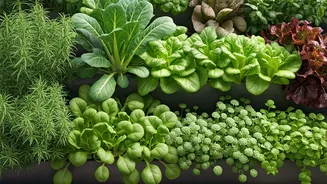
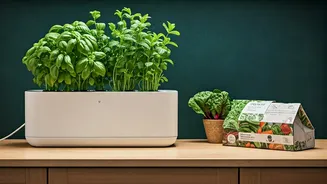
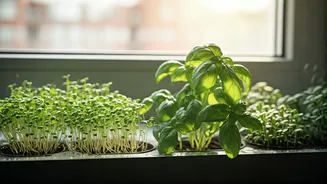
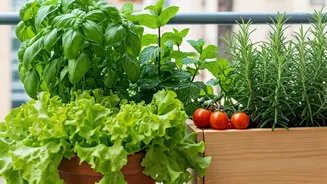
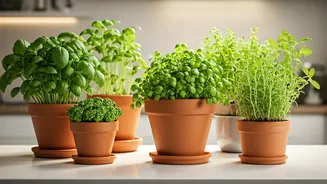
The key to a successful kitchen-focused balcony garden is choosing plants that are both productive in containers and highly useful in recipes. Start with a few of these high-performers: * **Essential Herbs:** These are the workhorses. Basil, mint, parsley, rosemary, and thyme are resilient and thrive in pots. They offer the most bang for your buck, instantly upgrading everything from pasta sauces to cocktails. Chives are another excellent choice, providing a mild onion flavor for eggs, potatoes, and dips. * **Cut-and-Come-Again Greens:** Forget bagged salads. Loose-leaf lettuce varieties, spinach, and arugula can be grown in rectangular planters. You can harvest the outer leaves as needed, and the plant will continue to produce for weeks, ensuring a constant supply for fresh side salads and sandwich toppers. * **Compact Wonders:** With the right container, even small balconies can support fruiting plants. Look for 'patio' or 'dwarf' varieties. A single cherry tomato plant can yield a surprising bounty for snacking and salads. Similarly, compact bush beans, small chili peppers, or even strawberries can flourish in hanging baskets or deep pots, adding a delightful and unexpected harvest.
Setting Up Your Edible Oasis
You don’t need a green thumb to get started, just a little planning. First, assess your light. Most edible plants need at least six hours of direct sunlight per day. Observe your balcony to see which spots get the most sun. Next, choose your containers. Terracotta is classic but dries out quickly. Glazed ceramic or plastic pots retain moisture better. Ensure every pot has drainage holes to prevent root rot. For soil, don't use garden dirt, which is too dense. Buy a quality potting mix designed for containers; it's lightweight and provides the right balance of drainage and aeration. Finally, commit to a watering schedule. Potted plants dry out much faster than those in the ground, especially on a windy or sunny balcony. Check the soil daily by sticking your finger in an inch deep—if it feels dry, it's time to water.
The Kitchen-to-Garden Workflow
The real upgrade happens when the balcony becomes a functional part of your cooking routine. Keep a small pair of scissors or shears in a kitchen drawer, ready to grab for harvesting. Thinking about dinner? Take a quick look outside for inspiration. That abundance of basil might inspire you to make pesto. A flourishing mint plant could be the perfect finish for a lamb dish or a fresh iced tea. This connection also helps reduce food waste. Instead of buying a large bunch of parsley and watching half of it wilt in the fridge, you snip exactly what you need, when you need it. Your cooking becomes more intuitive, more creative, and infused with a freshness that transforms everyday meals into something special.