




A Straightforward Welcome
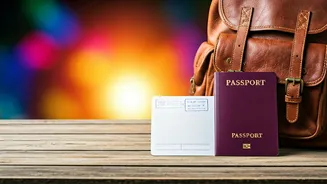
One of the first hurdles of international travel is the entry process. Malaysia streamlines this for many, including U.S. citizens, who can enter visa-free for up to 90 days for tourism purposes. This eliminates a significant layer of pre-trip paperwork
and planning. In late 2023, the country modernized its process further by introducing the Malaysia Digital Arrival Card (MDAC). While it is an extra step, it’s a simple online form you fill out within three days of your arrival. It digitizes the old paper landing cards, allowing for a potentially quicker and more organized experience at immigration. It’s a small, modern touch that signals a country invested in a smooth visitor experience from the moment you land.
English is Your Friend
While the melodic sounds of Bahasa Malaysia fill the air, you’ll rarely feel lost in translation. Thanks to its history and a multilingual education system, English is widely and fluently spoken throughout the country, especially in cities like Kuala Lumpur and George Town, and in virtually all tourism-related businesses. Menus, road signs, and official announcements are commonly available in English. This linguistic ease cannot be overstated. It empowers you to navigate independently, ask for directions, chat with shopkeepers, and dive deeper into the culture without a constant reliance on translation apps. It removes a major source of travel anxiety, allowing you to connect more genuinely with the people and places around you.
Getting Around Is a Breeze
Malaysia’s infrastructure is a blessing for the independent traveler. In the capital, Kuala Lumpur’s modern and efficient mass transit system (MRT, LRT, and Monorail) can whisk you between skyscraper-view cocktail bars and bustling street food alleys for pennies. For longer distances, a network of comfortable, air-conditioned buses and a decent train system connect major towns. But the real game-changer is the prevalence of ride-sharing. Grab, Southeast Asia’s equivalent of Uber, is ubiquitous and incredibly affordable. You can summon a car or even a motorbike taxi with a few taps, see the price upfront, and pay through the app. This simple convenience eliminates the need to haggle with taxi drivers and makes getting from your hotel to a remote temple or a hidden beach far less of a logistical puzzle.
A Familiar and Favorable Wallet Experience
Worries about money management can dampen any vacation. In Malaysia, it’s refreshingly simple. The currency, the Malaysian Ringgit (MYR), offers a favorable exchange rate against the US dollar, meaning your travel budget stretches further. You get five-star hotel experiences for three-star prices and can feast on world-class street food for just a few dollars. Beyond the value, the payment system is a comfortable hybrid for American travelers. Credit cards are widely accepted in hotels, major restaurants, and shopping malls. For street markets and smaller vendors, cash is still king, but ATMs are plentiful and reliable. This blend means you’re never caught off guard, able to use your card for big purchases and local currency for everything else.
A World of Experiences, Simply Reached
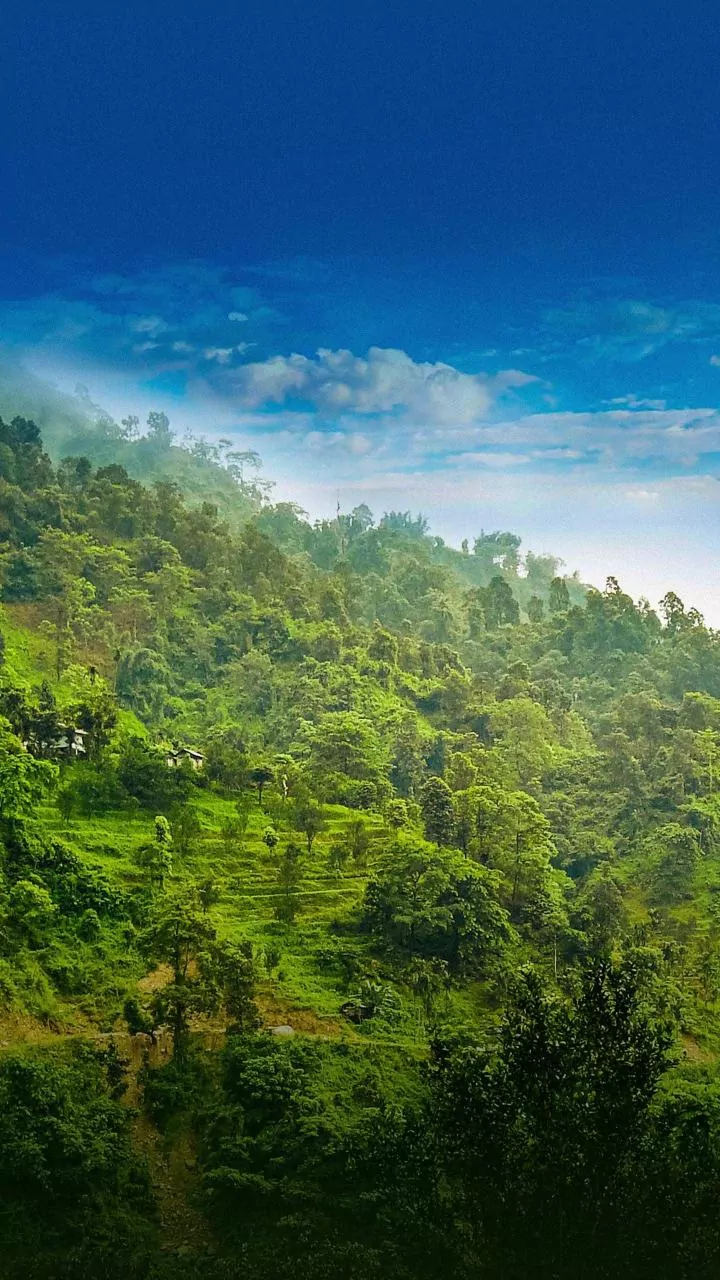
Perhaps the greatest source of Malaysia’s simplicity is its diversity, all packed into one accessible package. The country is a vibrant tapestry of Malay, Chinese, and Indian cultures, a fusion reflected in its incredible food scene, architecture, and festivals. You can start your day exploring the Batu Caves, a stunning Hindu shrine, and end it with dinner in a bustling Chinese night market. Geographically, it’s just as varied. You can go from the futuristic skyline of Kuala Lumpur to the historic colonial streets of Penang, and then to the lush tea plantations of the Cameron Highlands or the pristine beaches of Langkawi—often with just a short, inexpensive flight on a budget airline like AirAsia. This variety means you can have a rich, multi-faceted vacation without the complexity of crossing multiple borders or dealing with vastly different transit systems.