





First, Forget 'Rainy'
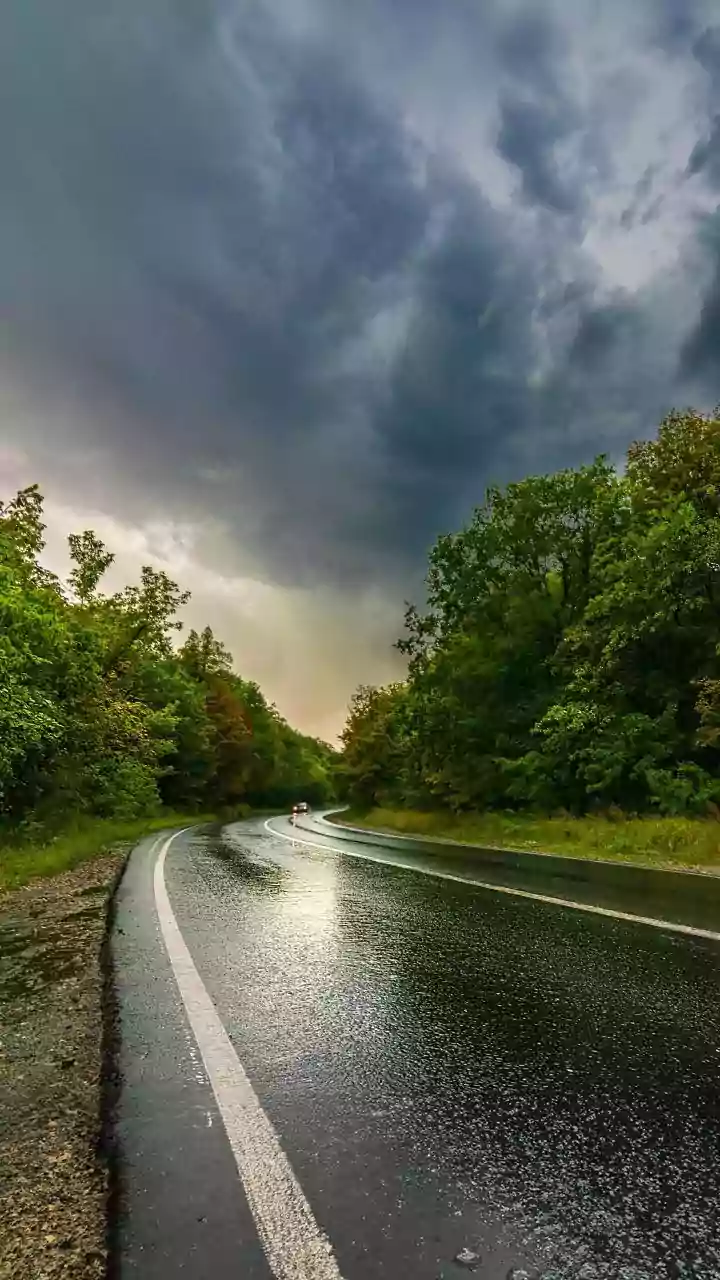
Let’s get one thing straight: the Indian monsoon isn’t a few days of drizzly weather. It’s a season, lasting for months, defined by torrential downpours that can drop several inches of rain in a matter of hours. This isn’t the kind of rain that beads
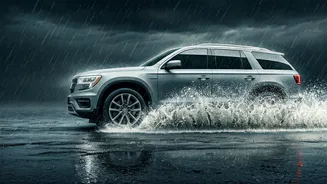
nicely on a freshly waxed hood; it’s a relentless, infrastructure-testing deluge. Streets in major cities like Mumbai and Delhi can transform into canals in under an hour, a phenomenon known as waterlogging. The sheer volume of water overwhelms drainage systems, turning roads into murky, flowing rivers filled with unseen hazards. For a car, this isn't just a matter of turning on the wipers; it's a test of its fundamental ability to stay dry, functional, and mobile in an aquatic environment it was never designed for.
The Pothole Problem on Steroids
Americans complain about potholes, and rightfully so. But on a monsoon-battered Indian road, a pothole isn't a jarring annoyance—it's a potential axle-snapping, tire-destroying crater. Continuous heavy rain erodes asphalt with incredible efficiency, creating and expanding holes that are then conveniently hidden by sheets of brown water. Driving through a waterlogged street is a game of Russian roulette. That seemingly shallow puddle could be hiding a foot-deep chasm, an open manhole cover, or debris washed into the road. This is the first major place your average U.S.-market sedan would fail. Its stiff suspension, designed for smooth pavement, would be brutalized. Its low-profile tires would be no match for the sharp, unforgiving edges of a water-filled cavity.
Ground Clearance Is King
If there’s one spec that matters more than any other on these roads, it’s ground clearance. Your Honda Accord or Toyota Camry likely has about 5 to 6 inches of it. That’s plenty for clearing a speed bump, but it’s dangerously low for navigating a flooded Indian street. The critical risk is water entering the engine's air intake, which can lead to a catastrophic failure known as hydrostatic lock. Essentially, the engine tries to compress water instead of air, bending piston rods and destroying itself from the inside. This is why the most popular and respected vehicles in India, especially for rugged use, are SUVs and crossovers with significantly higher ground clearance. Models like the Mahindra Scorpio or Tata Harrier, which sit much higher off the ground, can wade through water that would swallow a sedan whole. Their air intakes are positioned higher, and their underbodies are built to take a beating from whatever lurks beneath the surface.
Why Local Heroes Thrive
Step onto any Indian street and you'll see a different automotive landscape. The kings of the road are vehicles purpose-built for these exact conditions. Think of the Mahindra Thar, a rugged, Jeep-like off-roader, or the aforementioned Scorpio, a body-on-frame SUV known for its toughness. Even smaller cars that sell well, like the Maruti Suzuki Brezza, prioritize higher ground clearance over a low-slung, sporty stance. These vehicles often feature simpler, more robust electronics that are less likely to short out. Their suspension is softer and has more travel to absorb the impact of terrible roads. They are, in essence, engineered for survival. They sacrifice the refined highway manners and razor-sharp handling of a Western car for the ability to simply get you home when the world outside has turned into a murky lake.
It’s Not Just the Car
Even with the right vehicle, driving in an Indian monsoon requires a different mindset. Local drivers develop an almost sixth sense for the road. They know which underpasses flood first, how to read the ripples on the water to guess its depth, and when to simply pull over and wait for the storm to pass. It’s a slow, patient, and highly defensive style of driving. Foreigners who try to apply aggressive, fast-paced highway tactics often find themselves stuck, damaged, or stranded. The unwritten rule is to follow the path of a local bus or truck, assuming their drivers know the safest line through a flooded section. Your car's advanced lane-keeping assist and adaptive cruise control are useless here. What you need is caution, local knowledge, and a healthy dose of humility.