
First, What Is Chaat?
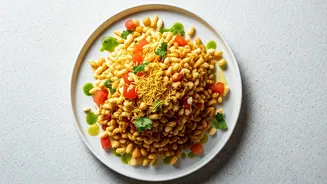
If you’ve never had the pleasure, let’s get you acquainted. Chaat isn’t a single dish; it’s a sprawling, glorious category of savory snacks from India. The word itself means “to lick,” and the experience is just that—a lick-your-fingers, can’t-get-enough
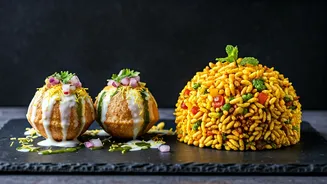
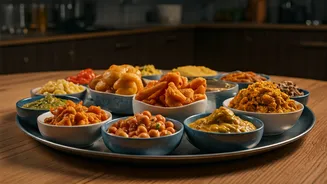
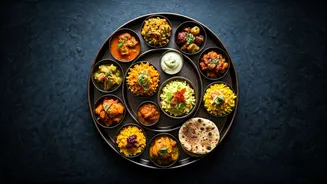
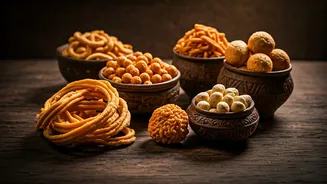
explosion of flavor and texture. At its heart, chaat is a balancing act. You have something crunchy (like fried dough wafers called 'papdi' or puffed rice called 'murmura'), something soft (boiled potatoes, chickpeas), and a riot of sauces: tangy tamarind chutney, vibrant mint-cilantro chutney, and cool, creamy yogurt. A final flourish of raw onion, fresh cilantro, and a sprinkle of fine, crispy chickpea noodles called 'sev' completes the masterpiece. It's sweet, sour, spicy, and savory all in one messy, wonderful bite.
The Classic Street-Side Experience
Traditionally, chaat is the quintessential street food. It’s served up fast and fresh by vendors, or 'chaatwalas,' from carts on bustling city corners in Mumbai, Delhi, and beyond. The experience is informal and immediate. You stand, you eat from a disposable plate, and you point for a little more of this or that chutney. The beauty of classic chaat lies in its unapologetic, high-impact nature. It’s not meant to be contemplated in a quiet dining room; it’s designed to cut through the noise and heat of the street with a jolt of pure flavor. For generations of immigrants, recreating this exact experience has been a way to connect with home, with recipes and presentations passed down to preserve that specific, nostalgic taste.
The 'Sensible' Glow-Up
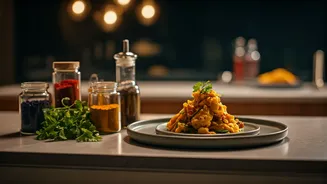
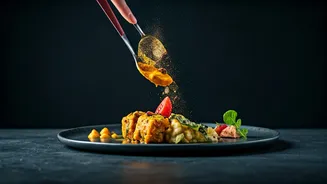
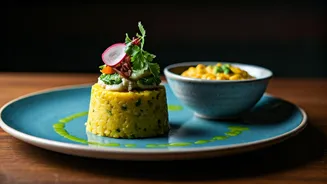
So what does it mean for this beloved classic to get a “glow-up”? It’s not about drenching it in truffle oil or adding gold leaf. The new wave of chaat is more thoughtful. You’re seeing chefs at celebrated Indian restaurants across U.S. deconstruct and reimagine the dish while honoring its core principles. The “sensible” part is key: they aren't trying to 'fix' chaat, but rather translate its spirit using different techniques and better ingredients. This might mean using local, seasonal produce, like a sweet potato and kale chaat in the fall. It might involve a more refined presentation—the components elegantly arranged on a ceramic plate instead of mixed in a bowl. Some chefs are making their own papdi from scratch with high-quality flours or air-frying components for a lighter crunch. At restaurants like Chai Pani in Asheville or Dhamaka in New York City, you see this philosophy in action: the flavors are authentic and intense, but the execution is polished and intentional.
A Sign of Confidence
This evolution isn’t just about food; it’s about cultural confidence. For years, many Indian restaurants in the U.S. focused on a standard menu of Northern Indian curries, catering to what they believed American diners expected. The chaat glow-up is part of a broader movement led by a new generation of Indian-American chefs and restaurateurs who are no longer content to just replicate the food of their parents' homeland. They are confident in both their heritage and their craft, using their platforms to showcase the vast diversity of Indian cuisine and to tell their own stories through food. They are treating chaat not just as a humble snack but as a concept worthy of creativity and high-quality ingredients, trusting that American diners are ready to come along for the ride. It’s a declaration that Indian food isn't a static tradition to be preserved in amber, but a living, breathing cuisine that can evolve.