

A Different Kind of Escape
Across the U.S., a subtle but significant shift is reshaping how we seek out nature. The grand, box-checking road trip to national parks is still a classic, but a growing number of travelers are craving something deeper. They’re looking for less-crowded
trails, more meaningful interactions, and a genuine connection to the places they visit. This isn't just about seeing a landmark; it's about experiencing a landscape. The pandemic accelerated this desire, pushing people out of cities and into the great outdoors, fostering a newfound appreciation for fresh air and open space that has outlasted lockdowns. It’s a move away from the transactional nature of mass tourism and toward something more personal and restorative. The goal is no longer just to 'get away,' but to 'get closer'—to nature, to local communities, and to a quieter, more authentic version of travel.
The Rise of the Homestay
This is where the homestay comes in. While the term has been around for decades, its modern interpretation is less about crashing on a couch and more about staying in a private room or guest suite within a local's home. Unlike an anonymous vacation rental where you retrieve a key from a lockbox, a homestay often involves a host who is present, welcoming, and full of local knowledge. They might offer you a cup of coffee in the morning, recommend a family-run diner for dinner, or—most importantly—tell you about a hidden trail that isn’t on the tourist maps. This model provides a powerful antidote to the isolation of hotel corridors. It transforms a simple lodging transaction into a cultural exchange, offering a glimpse into the daily life of a place that a resort simply cannot replicate. For travelers tired of feeling like just another customer, the homestay offers a chance to feel like a guest.
The Perfect Pairing
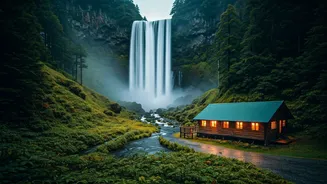
Waterfall trails and homestays are a naturally symbiotic pairing. Waterfalls, by their nature, are often tucked away in rural or semi-remote areas—the very places where charming, owner-occupied homes are more common than large hotel chains. For hikers, the appeal is obvious. After a day spent navigating switchbacks and scrambling over rocks to reach a stunning cascade, the last thing many want is a long drive back to a generic roadside motel. A nearby homestay offers immediate comfort and a warm welcome. The host might have a place to dry muddy boots, advice on the next day's weather, and a quiet porch for watching the sunset. For the homestay owners, catering to hikers is a perfect niche. These travelers are often respectful of nature, arrive with fascinating stories from the trail, and are eager for the kind of insider tips that only a local can provide. It creates a virtuous cycle: the trails bring the travelers, and the welcoming homes convince them to stay a little longer, supporting the local economy in a direct and personal way.
How to Find Your Cascade Retreat
So, how do you find this idyllic combination? It requires a slight change in search strategy. Instead of starting with a city, start with a waterfall. Use state park websites, hiking apps like AllTrails, or regional guides to identify waterfall-rich areas, such as the Blue Ridge Mountains in North Carolina, the Columbia River Gorge in Oregon, or the Finger Lakes region in New York. Once you have a target area, turn to lodging sites like Airbnb and Vrbo, but use smarter keywords. Search for phrases like 'hiker’s retreat,' 'near waterfall trail,' or 'Appalachian Trail access.' Pay close attention to reviews; guests will often mention a host's helpful trail advice or the home's proximity to trailheads. Don't just look at the pictures—read the host’s profile. Do they talk about their love for the outdoors? That’s a good sign. This approach transforms the search from a chore into the first step of the adventure.