









The Government Unlocks The Launchpad
Until recently, India's space program was a one-man show. The Indian Space Research Organisation (ISRO), a government entity founded in 1969, did everything from building rockets and launching satellites to analyzing data. It was a model of state-led
success, marked by incredible achievements like the budget-friendly Mars Orbiter Mission. But this top-down approach also created a bottleneck, limiting commercial opportunities. That all changed in 2020. In a landmark policy shift, the Indian government threw open the doors to the private sector. It established a new regulatory body, the Indian National Space Promotion and Authorisation Centre (IN-SPACe), to act as a bridge between ISRO and private companies. The mission was clear: move ISRO from being the sole player to an enabler, providing its world-class infrastructure, technology, and expertise to a new generation of entrepreneurs.
Meet The New Trailblazers
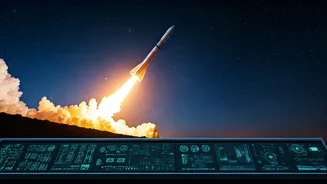
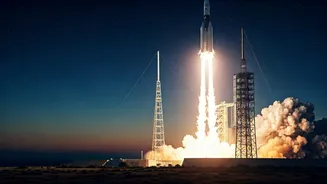
The policy shift didn't create a market from scratch; it unleashed one that was already simmering. Today, over 150 startups are carving out niches in India's space economy. The most visible pioneers are in the launch sector. Skyroot Aerospace made history in late 2022 by becoming the first private Indian company to launch a rocket into space. Their Vikram-S rocket, named after the father of India's space program, was a suborbital test flight, but it was a powerful proof of concept. Close behind is Agnikul Cosmos, a startup building 3D-printed rocket engines and small-scale launch vehicles designed for quick, customizable satellite deployments. Others are looking beyond launch. Pixxel is building a constellation of hyperspectral imaging satellites, designed to beam down data that can monitor everything from crop health and deforestation to gas leaks and mining pollution. These companies aren't just building hardware; they're building the future of a commercialized space ecosystem.
Why Now? A Perfect Convergence
This boom is fueled by more than just new regulations. It's a perfect storm of talent, capital, and ambition. For decades, ISRO has been a training ground for some of the world's best rocket scientists and engineers. Many of the founders and senior engineers at these new startups are ISRO veterans, bringing invaluable experience with them. This brain trust is complemented by a steady stream of graduates from India's elite engineering colleges. At the same time, global venture capital has taken notice. Investors see the potential for disruption. Indian startups can operate at a fraction of the cost of their Western counterparts, thanks to lower labor expenses and a culture of frugal engineering—a concept known as "Jugaad" innovation. This allows them to offer highly competitive pricing, particularly for the booming small satellite launch market, which is projected to be worth tens of billions of dollars over the next decade.
The Global Ripple Effect
The rise of India's private space sector isn't just a domestic story; it has significant implications for the global space economy. While companies like SpaceX focus on heavy-lift rockets for mega-constellations and deep-space missions, Indian startups are targeting a different, underserved market: small, on-demand satellite launches. For universities, small businesses, and developing nations, waiting for a spot on a large SpaceX rideshare mission can be slow and inflexible. Companies like Skyroot and Agnikul promise to be the "space Ubers" of the launch industry—fast, affordable, and tailored to the customer. This competition will likely drive down launch costs globally and increase access to space for a wider range of players. It positions India not as a direct rival to U.S. giants, but as a crucial new hub in a diversifying and rapidly growing industry, offering services that complement rather than directly compete with the current market leaders.