





What Are 'Functional Foods'?
First, let's clear things up: "functional food" isn't an official term regulated by the FDA. Instead, it’s a concept that describes foods offering health benefits that go beyond basic nutrition. Think of it as food with a job. While an apple provides
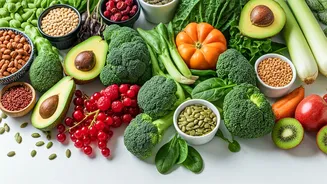
vitamins and fiber (basic nutrition), a cup of green tea provides antioxidants that may help reduce inflammation (a functional benefit). These foods can be whole and unprocessed, like berries and nuts, or they can be fortified or enhanced, like milk with added Vitamin D or cereals with extra fiber. The core idea is simple: what you eat can be a proactive tool for supporting your body's systems, from your gut to your brain.
The 'Shortcut' Mentality
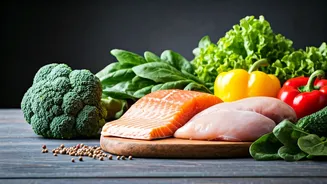
The headline-grabbing appeal of functional foods lies in the promise of a shortcut. In a world where we’re all short on time, the idea of getting more wellness bang for your nutritional buck is compelling. Can a kombucha really fix your gut health overnight? Probably not. The "shortcut" isn't about magic cures; it's about efficiency. It’s about making the foods you already eat work harder for you. By choosing salmon over a less nutrient-dense protein, you're not just getting protein—you're also getting a dose of omega-3 fatty acids for your heart and brain. By sprinkling turmeric on your eggs, you're adding powerful anti-inflammatory compounds. It’s less of a shortcut and more of a strategic upgrade to your daily plate.
Gut Health Heroes: Probiotics and Prebiotics
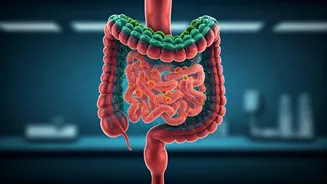
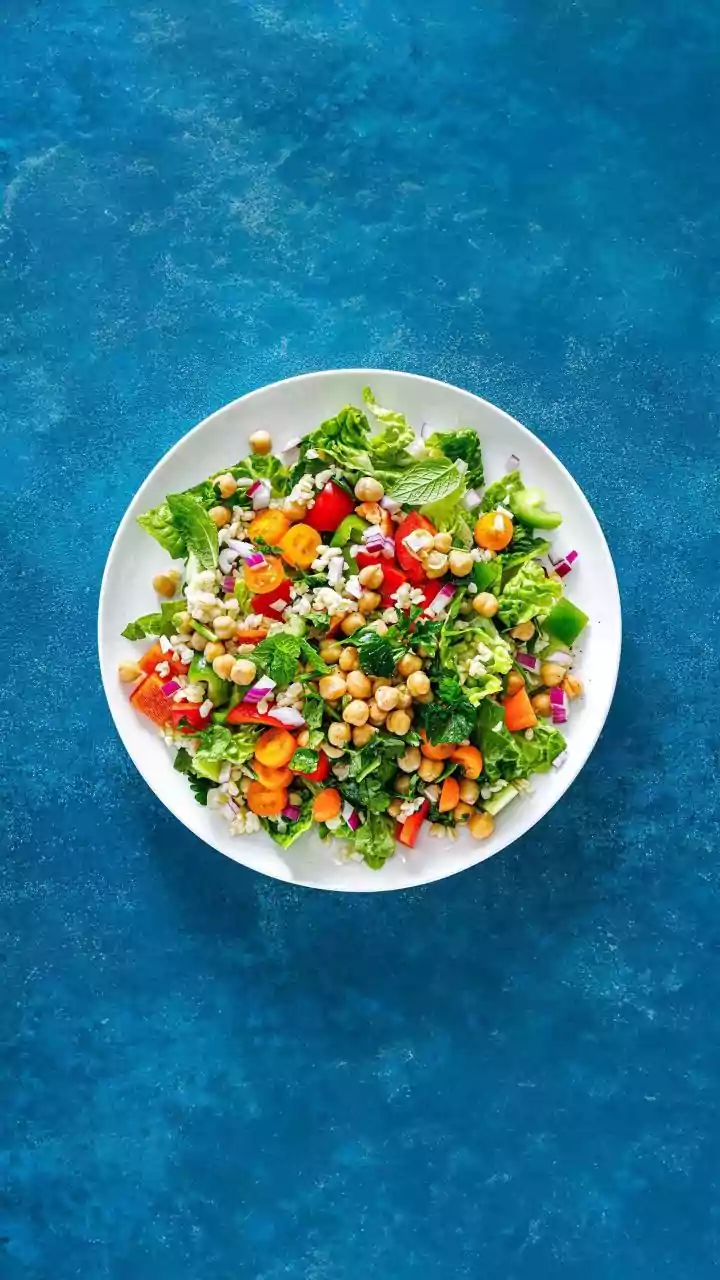
One of the biggest stars of the functional food world is the gut health category. A healthy gut microbiome is linked to everything from better digestion and a stronger immune system to improved mood. Probiotics are the live, beneficial bacteria that help populate your gut. You’ll find them in fermented foods like yogurt (look for "live and active cultures"), kefir, kimchi, sauerkraut, and kombucha. But those good bacteria need to eat, too. That’s where prebiotics come in. Prebiotics are types of fiber that feed your gut microbes. Excellent sources include garlic, onions, bananas, asparagus, and whole grains. Combining these creates a powerful synergy for a happy digestive system.
Brain and Heart Boosters
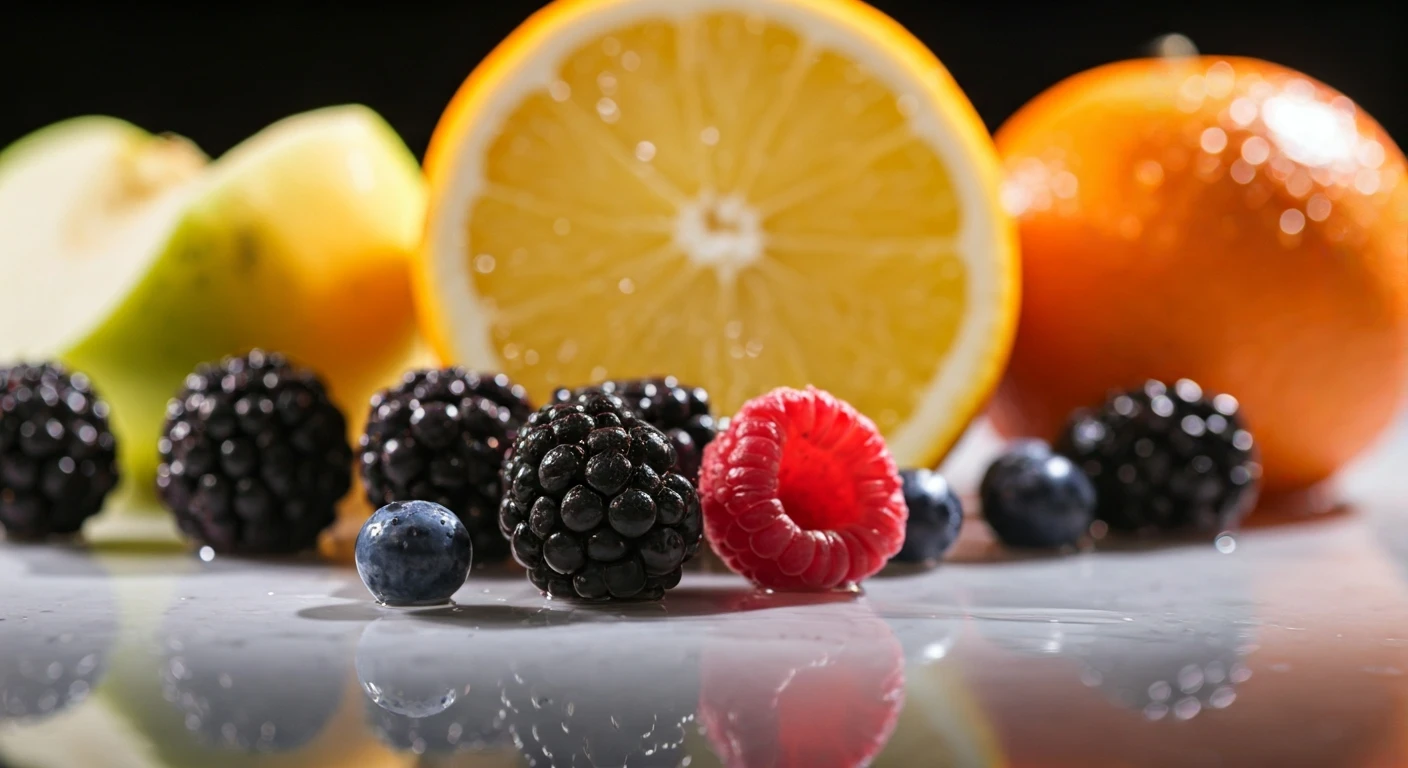
Many functional foods are celebrated for their potential to support cognitive and cardiovascular health. Omega-3 fatty acids are at the top of this list. Found abundantly in fatty fish like salmon, mackerel, and sardines, as well as in walnuts and flaxseeds, these healthy fats are crucial for brain structure and are associated with a lower risk of heart disease. Another group to know is antioxidants, which fight cellular damage caused by free radicals. You can find them in colorful fruits and vegetables. Blueberries (anthocyanins), dark chocolate (flavonols), spinach (lutein), and tomatoes (lycopene) are all antioxidant powerhouses that make it easy to eat for long-term health.
How to Shop Smart
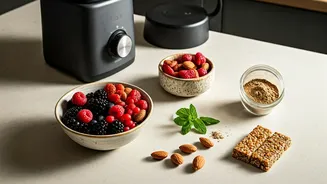
As the trend grows, so does the marketing. You’ll see "functional" claims on everything from candy to soda. But a product isn't necessarily healthy just because it has one added vitamin or herb. The best approach is to focus on whole foods first. An orange, with its fiber, water, and vitamin C, is a better choice than a vitamin C-fortified gummy bear loaded with sugar. When considering packaged functional foods—like protein bars with added adaptogens or cereals with added fiber—read the entire label. Watch out for high amounts of added sugar, sodium, or highly processed ingredients that might cancel out the intended benefits. The goal is to add function without adding junk.