
The Fermentation Powerhouse
Long before kombucha became a status symbol, Indian households were harnessing the power of fermentation. The cornerstone of many South Indian meals, the batter for idli (savory steamed cakes) and dosa (crisp crepes), is a perfect example. A simple mix
of ground rice and lentils is left to sit overnight, allowing wild yeasts and bacteria to get to work. This natural fermentation process does more than just create a light, airy texture and a pleasant tang. Scientifically, it breaks down phytic acid, an anti-nutrient that can interfere with mineral absorption. The process also pre-digests the starches and proteins, making the final product easier on the gut and increasing the bioavailability of nutrients like B vitamins. It’s a masterclass in digestive health, practiced daily for centuries.
The Ultimate Power Couple: Turmeric and Pepper
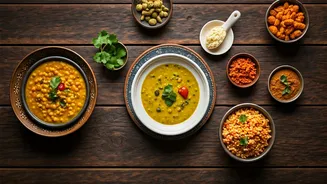
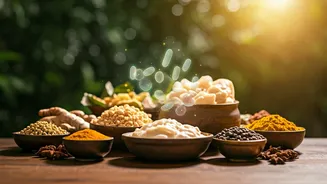
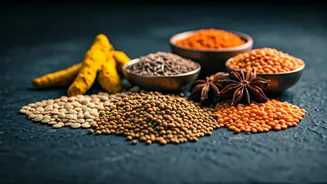
The West’s recent obsession with turmeric for its anti-inflammatory properties is something of an inside joke in Indian families. The vibrant yellow spice, a member of the ginger family, has been a staple of Indian cooking and Ayurvedic medicine for millennia. But what Indian grandmothers knew instinctively, science has now confirmed: turmeric is best consumed with black pepper. The active compound in turmeric, curcumin, is notoriously difficult for the body to absorb on its own. However, a compound in black pepper called piperine can boost curcumin’s bioavailability by up to 2,000 percent. This is why countless Indian recipes, from lentil dals to vegetable curries, feature this dynamic duo. It’s not just for flavor; it’s a built-in biological upgrade.
The Art of the 'Tadka'
Anyone who has cooked Indian food knows the transformative power of the 'tadka' (also known as 'tarka' or 'chaunk'). This finishing technique involves blooming whole or ground spices in hot oil or ghee and pouring them over a finished dish. It’s an explosion of aroma and flavor that modern food science can explain beautifully. Many of the aromatic compounds in spices like cumin, mustard seeds, and curry leaves are fat-soluble. Sizzling them in fat allows these compounds to be extracted and dispersed throughout the dish more effectively than just stirring them in dry. Ghee, a form of clarified butter, is an especially effective medium. This technique doesn't just make the food taste better; it unlocks the full potential of the spices, delivering their flavor and potential health benefits in the most efficient way possible.
Solving the Complete Protein Puzzle
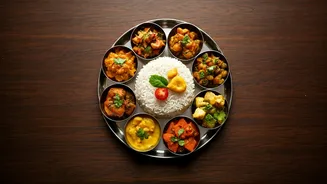
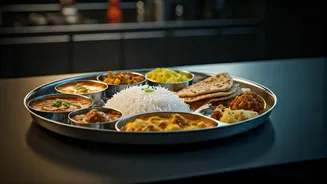
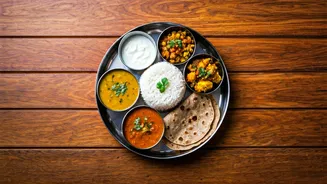
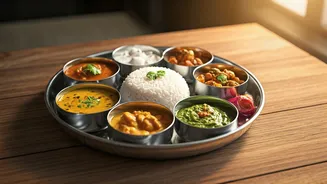
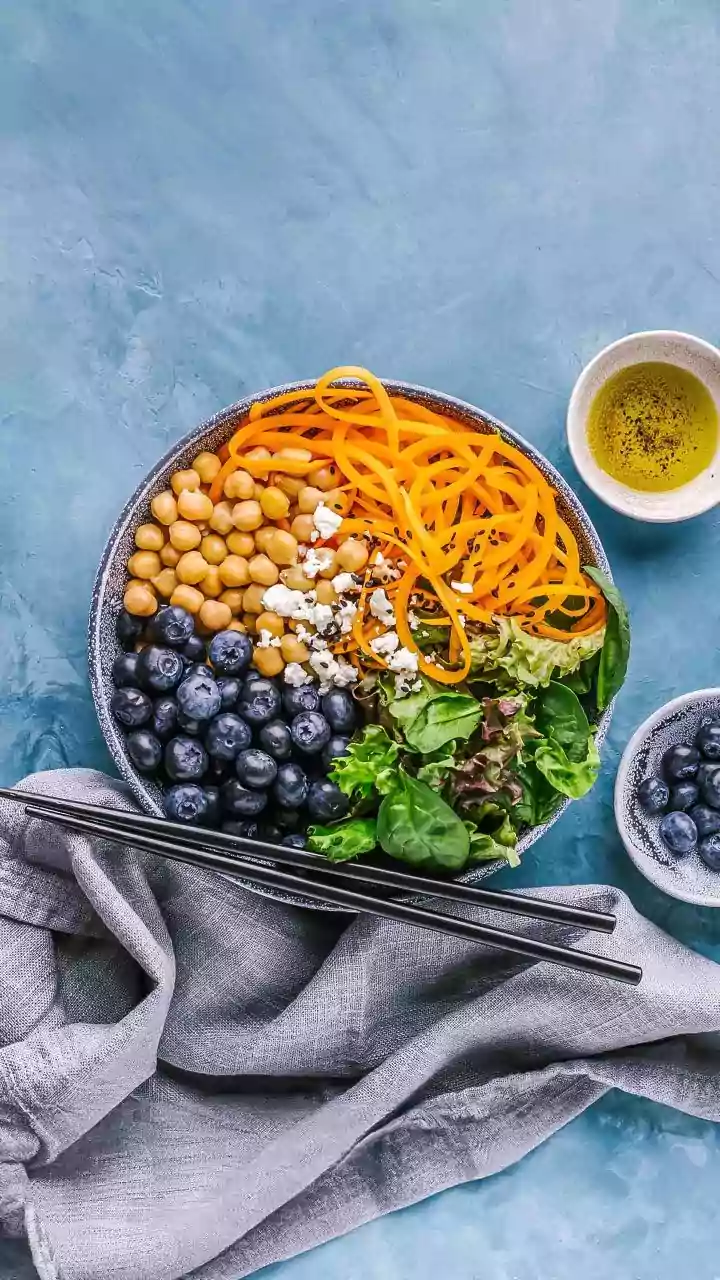
The concept of combining foods to create a complete protein—one containing all nine essential amino acids—is a cornerstone of modern nutrition, especially for plant-based diets. In India, this has been the foundation of the everyday diet for ages. The classic pairing of dal (lentils) and chawal (rice) isn't a happy accident. Most grains, like rice, are low in the amino acid lysine, while legumes, like lentils, are rich in it. Conversely, legumes are low in methionine, which rice has in abundance. Eaten together, they form a perfect, complete protein that rivals meat, providing sustained energy and the building blocks for a healthy body. It’s a simple, affordable, and scientifically sound solution that has nourished a subcontinent for generations.
The Science of Cooling Down
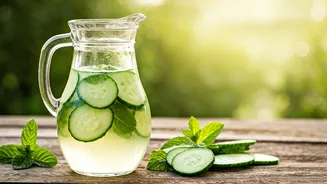
Indian cuisine is famous for its complex and sometimes fiery spice blends. But there’s a built-in system of checks and balances. Alongside a spicy curry, you'll almost always find a bowl of 'raita'—yogurt mixed with herbs, spices, and sometimes finely chopped vegetables like cucumber. This isn’t just a palate cleanser. Yogurt is a natural coolant in Ayurvedic tradition, and modern science would point to the casein protein in dairy helping to neutralize capsaicin, the compound that gives chili peppers their heat. Furthermore, the probiotics in live-culture yogurt support a healthy gut microbiome, which can be thrown off balance by overly spicy food. It's an elegant, delicious example of culinary synergy, where one dish is designed to complement and balance another.