





The Slow Death of Hustle Culture
Remember the era of workout montages filled with grimacing faces, punishing early morning alarms, and the mantra that 'pain is weakness leaving the body'? That relentless, grind-at-all-costs philosophy dominated fitness culture for decades. Taking a day
off was framed as a failure of discipline, a sign you didn't want it badly enough. Social media feeds were a testament to this, showcasing daily sweaty selfies and proclaiming allegiance to the #NoDaysOff tribe. Now, the pendulum is swinging back. Influential trainers, professional athletes, and everyday gym-goers are openly celebrating their rest days. This isn't a rejection of hard work, but a smarter application of it. The conversation has matured from a simple focus on 'work' to a more holistic understanding of the 'work-and-recovery' cycle. Burnout, both mental and physical, is being recognized not as a badge of honor, but as a sign of an unsustainable and ultimately counterproductive approach. The new flex isn't just about how hard you can train, but how intelligently you can recover.
What's Actually Happening in Your Body
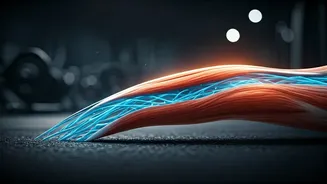
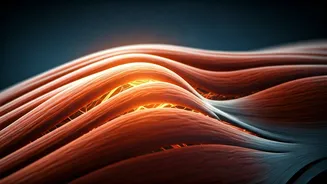
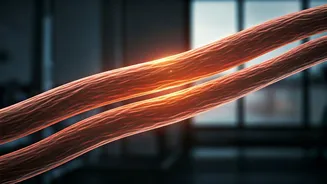
The magic of getting stronger, faster, or bigger doesn't happen during your workout; it happens afterward. When you lift weights, run, or perform any strenuous exercise, you create microscopic tears in your muscle fibers. This sounds bad, but it’s the necessary stimulus for growth. The rest day is when the repair crew shows up. During periods of rest, your body gets to work. It initiates a process called muscle protein synthesis, using amino acids to patch up those microtears, making the muscle fiber thicker and stronger than before to better handle future stress. This is adaptation. Your body also uses this downtime to replenish its energy stores, specifically the glycogen in your muscles and liver that you depleted during exercise. Without adequate rest, you’re essentially trying to build a new house on an unfinished foundation. You keep tearing the muscle down without giving it a chance to rebuild stronger, leading to plateaus, fatigue, and an increased risk of injury.
It's Not Just Your Muscles
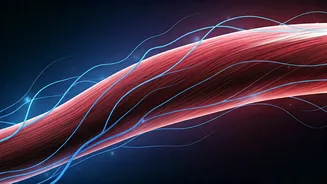
Overtraining doesn't just exhaust your biceps; it hammers your central nervous system (CNS). The CNS—your brain and spinal cord—is the command center that sends signals to your muscles to contract. Constant, high-intensity training without recovery can lead to CNS fatigue. The symptoms are often subtle at first but can become debilitating: persistent fatigue, irritability, a lack of motivation, poor sleep, and even a weakened immune system. You might feel like you’re just in a funk, but it could be your body’s command center sending a desperate SOS. Mentally, rest days are a crucial pressure-release valve. They help lower levels of cortisol, the stress hormone that can be elevated by intense exercise. Taking a day away from the structured demands of training can reignite your psychological drive, making you more excited to return to your routine. It transforms exercise from a chore you *have* to do every single day into a privilege you *get* to do.
The Art of the 'Active' Rest Day
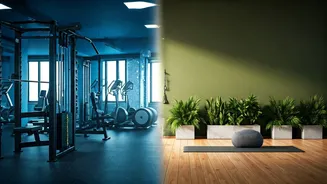
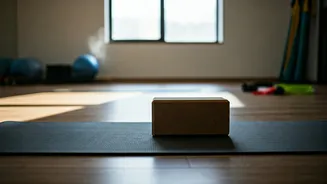
So, what does a good rest day look like? It doesn't necessarily mean being welded to your couch for 24 hours (though sometimes, that's exactly what's needed). Experts often distinguish between passive recovery (doing nothing) and active recovery. Active recovery involves low-intensity, low-impact movement that encourages blood flow to your muscles without causing further stress. This can actually help shuttle nutrients to your tired tissues and clear out metabolic waste, potentially speeding up the repair process. Think of it as a gentle nudge rather than a hard push. Great active recovery options include a leisurely walk, a gentle yoga or stretching session, foam rolling, or a casual bike ride. The key is to keep your heart rate low and the effort easy. It should feel restorative, not taxing. Listening to your body is the most important skill to cultivate; it will tell you when it needs a complete break versus when a little light movement would feel good.