




The Zero-Waste Glow-Up
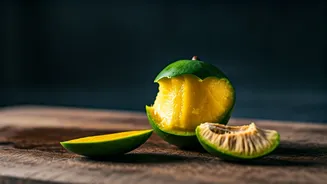
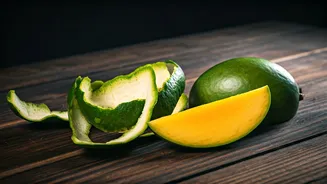
The idea of eating a mango peel might sound strange, but it’s part of a growing culinary movement focused on sustainability and using every part of an ingredient. Think of it as the vegetable equivalent of “nose-to-tail” butchery. Chefs and resourceful
home cooks are increasingly looking at things we typically discard—like broccoli stalks, carrot tops, and watermelon rinds—and finding delicious new applications for them. The mango peel fits perfectly into this philosophy. In many cultures, particularly in South Asia where mangoes are revered, using the peel in pickles or other preparations isn't a new trend but a long-standing tradition born from frugality and a deep understanding of the ingredient. Now, that wisdom is finding a new audience in the U.S., where home cooks are seeking ways to reduce food waste and discover novel flavors.
A Nutritional Powerhouse in Disguise
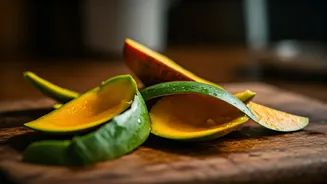
Before you get to the flavor, it’s worth noting what you’re throwing away. Mango peels are surprisingly dense with nutrients. They contain a significant concentration of vitamins A and C, polyphenols, and carotenoids—antioxidant compounds that give the fruit its vibrant color. The skin is also an excellent source of dietary fiber, which is essential for digestive health. While the flesh of the mango has plenty of nutritional benefits, the peel often contains higher concentrations of these specific compounds. Eating the peel along with the fruit (or using it separately) means you’re getting a more complete nutritional package. It’s a compelling argument for rethinking what constitutes “food” versus “waste” in your kitchen.
The Big Question: Taste and Safety
Okay, so it’s nutritious. But is it safe, and does it even taste good? Let’s tackle safety first. Mangoes belong to the same family as poison ivy, and their skin contains urushiol, the same compound that causes the infamous itchy rash. For most people, the amount in a mango peel is negligible and won't cause a reaction. However, if you have a known sensitivity to poison ivy, oak, or sumac, it’s best to steer clear. It’s also crucial to wash the peels thoroughly, preferably with a vegetable scrub, to remove dirt, wax, and pesticide residues. Opting for organic mangoes is the safest bet here. As for taste, don’t expect to bite into it like an apple. Raw mango peel is tough, fibrous, and has a distinctly bitter, tannic flavor that balances the sweetness of the flesh. The magic isn’t in eating it plain, but in how you prepare it.
How to Actually Use Mango Peels
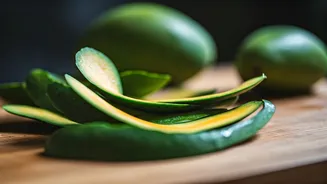
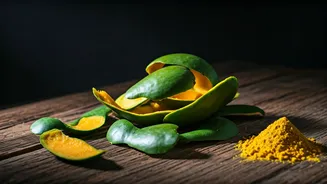
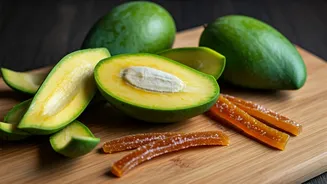
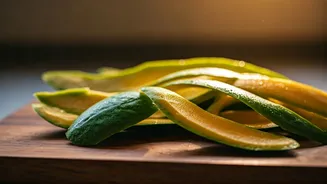
This is where the “tangy upgrade” comes in. The peel’s assertive flavor makes it an incredible seasoning agent. One of the easiest methods is to make mango peel powder. Simply dehydrate the peels (in a dehydrator or a low-temperature oven) until they are completely dry and brittle, then blitz them in a spice grinder. The resulting powder is a complex, tangy, and slightly floral seasoning you can sprinkle on grilled fish, chicken, salads, or even rim a cocktail glass with. Another popular use is pickling. Thinly slice the peel from a firm, unripe mango and pickle it with vinegar, salt, sugar, and spices like mustard seed and turmeric. The result is a crunchy, intensely flavorful condiment that’s amazing with rice dishes or on sandwiches. You can also infuse vinegar or simple syrup with the peels for a mango-scented base for salad dressings and drinks, or blend small amounts into a smoothie for a fiber boost.