





The Original Meal Subscription Service
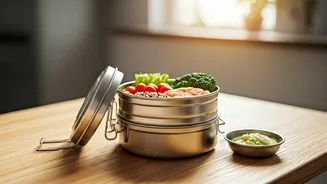
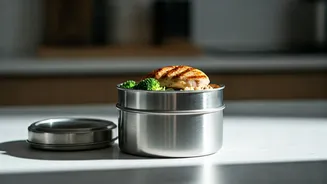
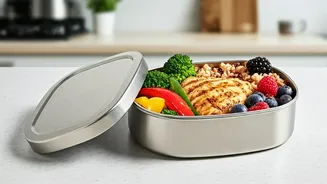
Before there was Blue Apron or HelloFresh, there was the tiffin. For over 130 years, this simple system of stacked, interlocking metal containers has been the backbone of lunch for millions of urban Indians. The concept is genius in its simplicity: a hot,
home-cooked meal is packed in the morning, and a dedicated delivery person—part of a massive, intricate network—picks it up and delivers it to an office or school hours later. The most famous of these delivery networks are the dabbawalas of Mumbai, a logistical marvel studied by Harvard Business School for its near-perfect accuracy rate, all achieved without a single piece of modern technology. The tiffin isn’t just a lunchbox; it's a cultural institution, a direct link to the comfort and nutrition of a home-cooked meal in the middle of a bustling workday.
Enter the Digital Fitness Boom
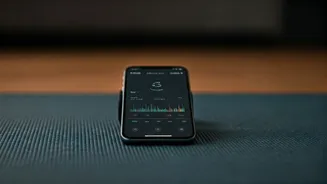
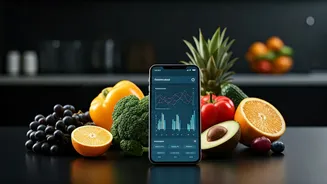
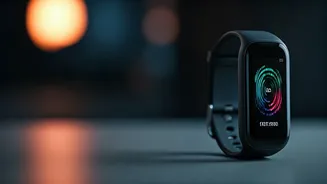
Parallel to this centuries-old tradition, a very 21st-century revolution is underway. India has more than 600 million smartphone users, and a growing, aspirational middle class is increasingly adopting global wellness trends. This has fueled a massive boom in the country’s fitness sector. Tech startups have flourished, creating sophisticated platforms that feel familiar to any American user of MyFitnessPal or Peloton. Apps like HealthifyMe offer detailed calorie tracking tailored to Indian foods—a crucial detail—while comprehensive platforms like Cult.fit (formerly Cure.fit) provide everything from online workout classes and mental wellness sessions to doctor consultations, all through a smartphone. It's a digital ecosystem built for a new generation of health-conscious Indians who want data, convenience, and results.
A Marriage of Tech and Tradition
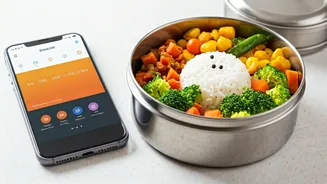
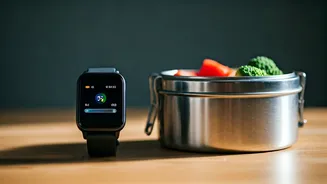
This is where the two worlds collide and create something entirely new. Savvy entrepreneurs and established wellness companies realized that simply offering a generic 'healthy meal' service wasn't enough. The cultural pull of the home-cooked tiffin meal was too strong. So, they decided not to fight tradition, but to co-opt it. The new model combines the precision of a diet app with the logic of the tiffin. Users can log onto an app, choose a health goal (weight loss, muscle gain), and subscribe to a service that delivers perfectly portioned, macro-counted meals right to their desks. And what are they delivered in? Often, modern versions of the classic tiffin. It’s the ultimate hybrid: the meal is designed by nutritionists and tracked by an app, but the experience still feels rooted in the familiar, comforting ritual of opening a tiffin to find a nourishing meal.
More Than Just a Healthy Lunch
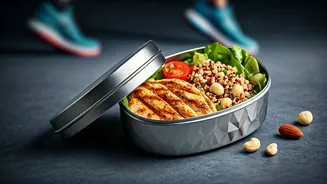
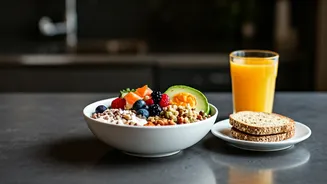
The success of this model lies in its deep cultural resonance. It solves a distinctly modern problem—the lack of time to cook healthy food—with a solution that feels authentically Indian. Instead of a cold salad in a plastic container, which can feel foreign and unsatisfying, customers get healthy, updated versions of dishes they grew up with, like high-protein dal or brown rice biryani. Companies like EatFit, the food arm of Cult.fit, have built a massive business on this premise. This fusion speaks to a broader trend in modern India: the blending of global aspirations with strong local identity. It proves that innovation doesn't always mean replacing the old with the new. Sometimes, the most powerful ideas come from putting a new engine in a classic, time-tested vehicle.