



A Land in the Rain Shadow
What makes Spiti a perfect monsoon getaway isn't magic, but geography. Tucked away in the northeastern part of the Indian state of Himachal Pradesh, the valley lies in a rain-shadow region. The towering Himalayan ranges to the south block the moisture-laden
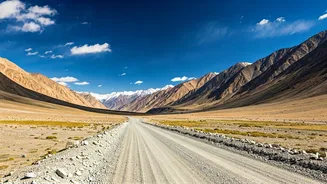
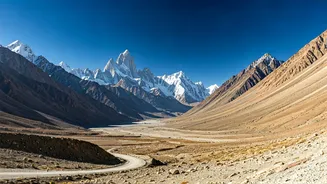
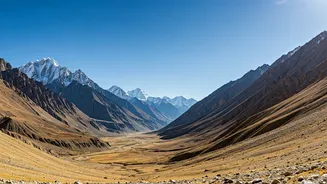
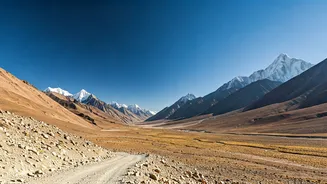
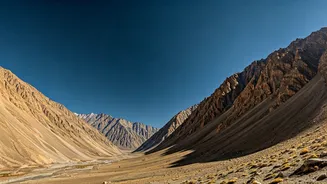
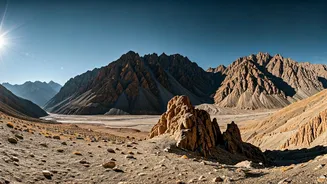
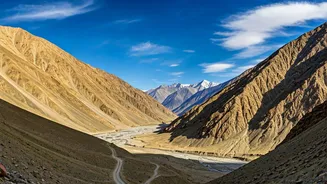
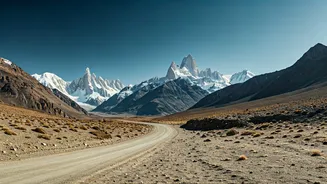
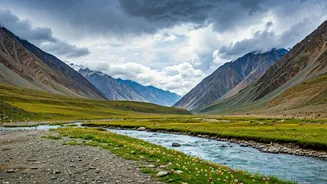
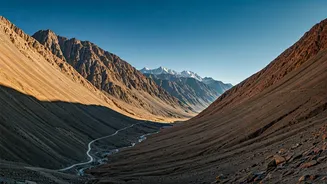
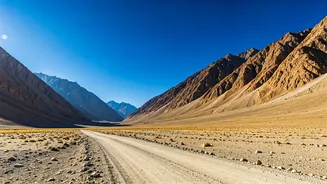
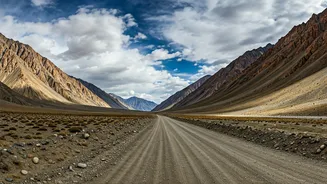
monsoon clouds from ever reaching it. While cities like Mumbai and Delhi are grappling with downpours and humidity from June to September, Spiti experiences its short, pleasant summer. The landscape here is stark, dramatic, and otherworldly. Forget lush green hillsides; think sculpted canyons, barren mountainsides painted in shades of brown and purple, and impossibly blue rivers carving their way through the terrain. It’s often compared to Tibet, earning it the nickname 'Little Tibet,' and the raw, elemental beauty is profoundly peaceful.
The Journey Is the Destination
Getting to Spiti is an adventure in itself, a rite of passage for travelers seeking its remote splendors. There are two primary routes. The first is from Manali over two high-altitude passes, Rohtang and Kunzum. This route is shorter but opens later in the season (typically June) and is more susceptible to weather-related closures on the approach. The second, more reliable route is a two-day drive from Shimla, the state capital. This path follows the Sutlej River through the lush Kinnaur Valley before the landscape dramatically transforms into the arid desert of Spiti. While Spiti itself is dry, it's crucial to remember that the roads leading there can still be affected by monsoon-triggered landslides, especially on the Manali side. For this reason, many experienced travelers prefer the longer but more stable Shimla-Kaza highway during the monsoon months.
Monasteries, Mummies, and Stargazing
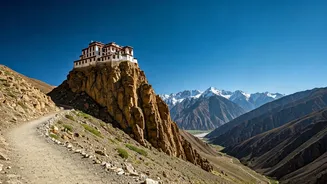
Spiti's soul is deeply tied to its ancient Buddhist culture. The valley is dotted with monasteries, or 'gompas,' that seem to defy gravity. The most iconic is Key Monastery, a breathtaking cluster of white buildings perched precariously on a conical hill overlooking the Spiti River. It's a living center of learning for hundreds of lamas. Nearby, the Tabo Monastery, a UNESCO World Heritage site, is a humble-looking collection of mud-brick structures that house some of the most spectacular Indo-Tibetan art and murals dating back to 996 AD. In the small village of Giu, you can even visit a small temple housing a 500-year-old, naturally preserved mummy of a monk. When night falls, the valley offers another spectacle: the cosmos. With no light pollution and thin, dry air, the stargazing in Spiti is among the best in the world. The Milky Way appears not as a faint smudge, but a brilliant, dense river of light stretching across the sky.
Life at the Top of the World
The human element of Spiti is just as compelling as its landscapes. The valley is home to some of the world's highest inhabited villages. A drive to Komik (over 15,000 feet) feels like reaching the planet's ceiling, offering panoramic views that are simply staggering. Nearby Hikkim is famous for having the world’s highest post office, where you can mail a postcard to loved ones from one of the most remote addresses on Earth. Life here is hard-won and deeply connected to the land and seasons. Interacting with the warm, resilient Spitian people, often by staying in a family-run homestay, is a core part of the experience. Sharing a cup of butter tea, listening to stories, and experiencing their generous hospitality provides a perspective that no luxury hotel ever could.
Practical Magic: Planning Your Trip
A trip to Spiti requires some planning. The ideal window is from mid-June to mid-October. The most critical factor is acclimatization; because the average altitude is over 10,000 feet, you must ascend slowly to avoid altitude sickness. The route from Shimla is better for this, as it allows for a more gradual gain in elevation. Pack layers, as the sun is strong during the day but temperatures drop sharply at night. Essentials include a warm jacket, sunscreen, sunglasses, and a good moisturizer for the dry air. While there are hotels in the main town of Kaza, the network of homestays offers a more authentic and intimate experience. Be prepared for simple amenities, limited internet connectivity, and the most profound sense of peace you've felt in a long time.