



Moving Past the Mucilage
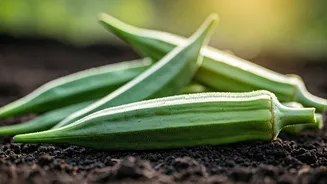
Let’s get it out of the way: yes, okra contains mucilage, a soluble fiber that becomes viscous when heated. It’s the same stuff that gives gumbo its signature body. For generations, this texture has been a culinary dealbreaker for many. But the perception
problem was never with the plant itself, but with our limited imagination for its use. The “slime” is easily managed—or avoided entirely—with the right cooking methods. Quick, high-heat techniques like grilling, roasting, or stir-frying cook the okra before the mucilage can fully develop. A quick soak in vinegar before cooking also helps. More importantly, gardeners and chefs are embracing okra’s versatility, realizing that its texture is a feature, not a flaw, when used intentionally. This shift in culinary understanding has paved the way for its horticultural renaissance.
The New Look: Ornamental and Edible
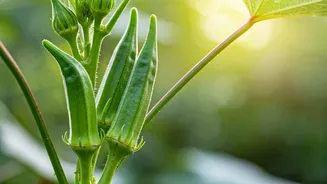
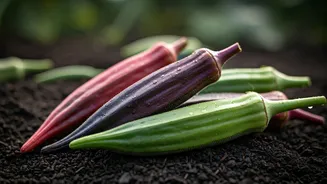
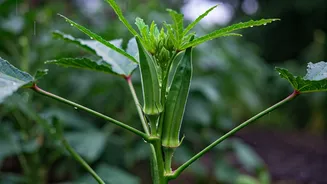
The single biggest driver of okra’s glow-up is the stunning array of new and heirloom varieties available to home gardeners. For decades, the market was dominated by standard green-podded types like ‘Clemson Spineless.’ Today’s seed catalogs tell a much more colorful story. Varieties like ‘Burgundy’ and ‘Red Velvet’ produce deep, crimson pods that stand out against their green foliage, making them as ornamental as they are edible. ‘Jing Orange’ offers a vibrant, sunset-hued pod, while ‘Star of David’ yields short, ridged, star-shaped pods when sliced. These aren't just novelty acts; they taste great and bring visual excitement to both the garden bed and the dinner plate. Their beautiful, hibiscus-like flowers—pale yellow with deep red centers—are another major draw, attracting pollinators and adding a touch of the tropics to any backyard.
A Climate-Ready Garden Star
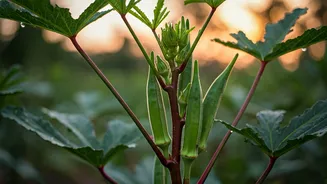
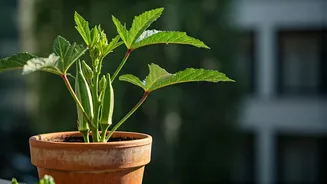
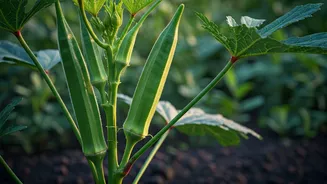
As gardeners across the U.S. contend with hotter summers and more erratic rainfall, okra is emerging as a climate-proof hero. Native to Africa, this plant thrives in conditions that would cause lettuce to bolt and tomatoes to struggle. It loves heat, tolerates drought once established, and seems almost unfazed by the sweltering humidity of a mid-August afternoon. This resilience makes it a low-stress, high-reward choice for both novice gardeners and seasoned pros looking for more sustainable, water-wise crops. In an era where a productive garden requires adapting to new climate realities, okra isn't just a fun experiment; it's a smart, forward-thinking addition to the vegetable patch.
Your Guide to Growing Okra
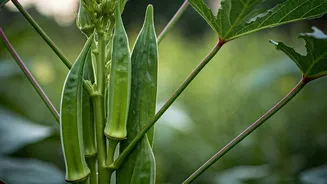
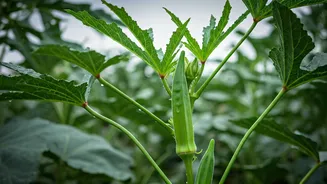
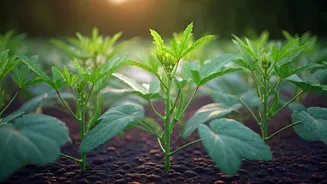
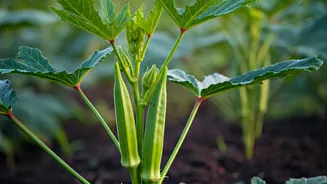
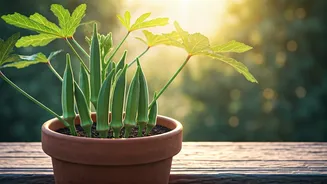
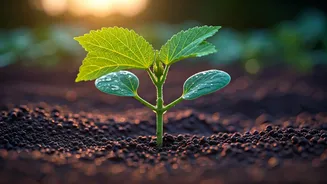
Intrigued? Growing your own is surprisingly simple, provided you follow a few golden rules. First, be patient. Okra is a warm-season crop and despises cold soil. Don't even think about planting seeds until the soil temperature is consistently above 65°F. Soaking the seeds overnight before planting can speed up germination. Give each plant plenty of space—at least 18 inches apart—and full sun. Once the plants start producing, the key is to harvest frequently. Pods grow incredibly fast and are at their most tender when they are 2 to 4 inches long. Check your plants every day or two, and use pruning shears or a sharp knife to snip the pods off, leaving a small stub of stem. Regular harvesting encourages the plant to produce more pods, ensuring a steady supply all summer long.
Beyond the Stew Pot
Once you have your harvest, it’s time to experiment in the kitchen. Forget boiling it into oblivion. Toss whole pods in olive oil, sprinkle with salt and pepper, and grill them until they're tender with a slight char. Slice them lengthwise, dredge them in cornmeal, and pan-fry for a crunchy, addictive snack. Or, roast them at high heat (425°F) until the edges are crispy and brown. Pickled okra is a classic Southern treat that’s easy to make at home and captures the vegetable’s crisp texture perfectly. By exploring these simple preparations, you’ll discover the fresh, grassy, and slightly sweet flavor that has made okra a beloved ingredient around the world for centuries.