


The Quest for a Better Crunch
For decades, the snack food landscape has been dominated by a familiar cast of characters: potato chips, pretzels, and cheese puffs. While comforting, the search for something new—something both delicious and genuinely better-for-you—is relentless. Consumers
are increasingly bored with the same old flavor profiles and are actively seeking out snacks that deliver on taste, texture, and nutritional value without a long list of artificial ingredients. Enter the Desi flavor explosion. This isn’t about a token “curry” flavored chip. It’s a movement, often led by first-generation South Asian-American entrepreneurs, to bring the authentic, complex, and crave-worthy flavors of their childhoods to the mainstream. They’re reimagining traditional snacks for a modern, health-conscious audience that is more globally curious than ever before.
What Exactly Is a 'Desi Twist'?
“Desi” is a broad, colloquial term used by people from the Indian subcontinent (India, Pakistan, Bangladesh, Nepal) to refer to themselves and their culture. When it comes to food, it signifies a world of flavor far beyond a single spice. A “Desi twist” means tapping into a rich pantry of spices and ingredients that create savory, tangy, spicy, and sweet notes, often all in one bite.
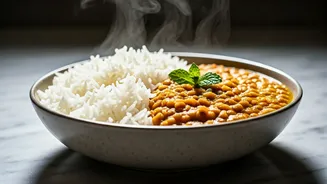
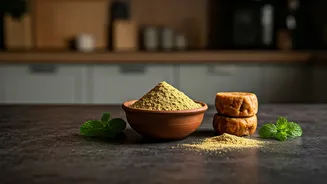
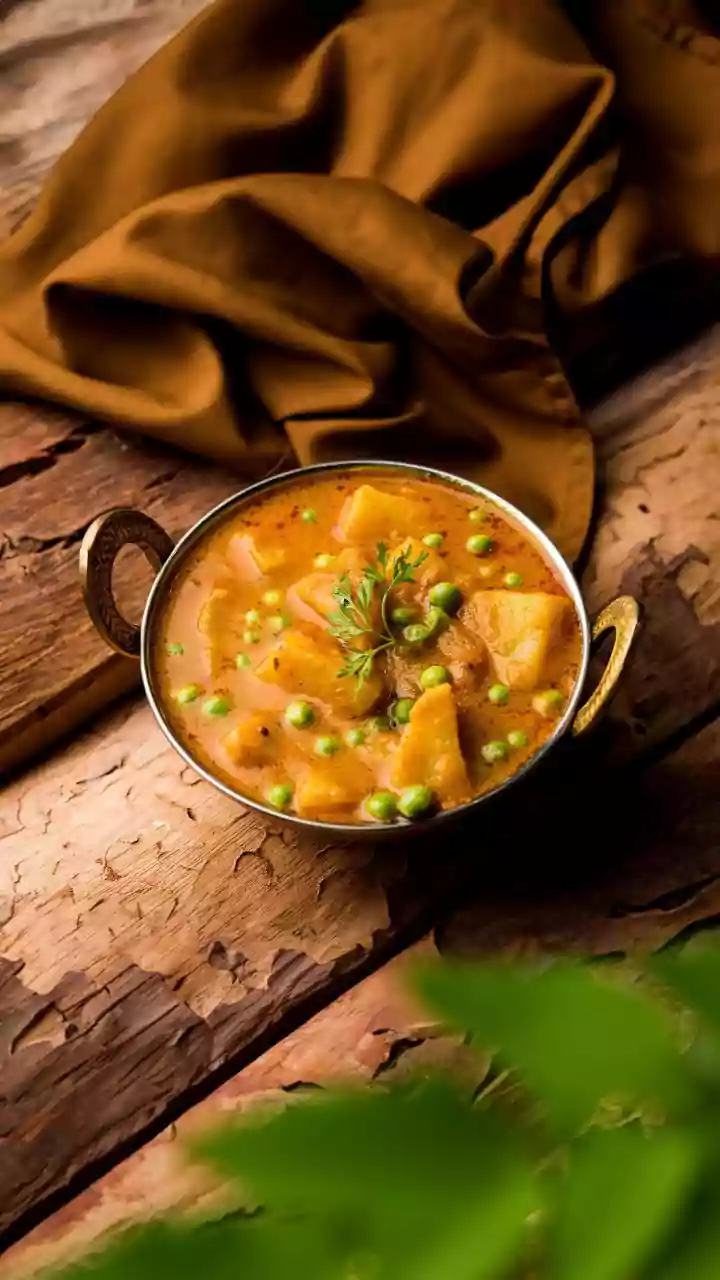
Think less about generic “curry powder” and more about specific, aromatic blends. Key players include turmeric, known for its earthy flavor and anti-inflammatory properties; cumin and coriander, which provide a warm, nutty backbone; amchur (dried mango powder) for a sour, tangy kick; and chaat masala, an iconic spice blend that is the definition of savory, funky, and irresistible. These flavors are being applied to new and exciting bases, moving beyond the potato to ingredients like lentils, chickpeas, and ancient grains.
The Star Ingredient: Makhana
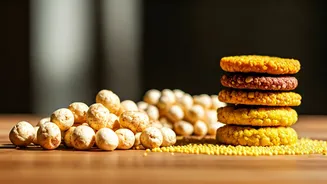
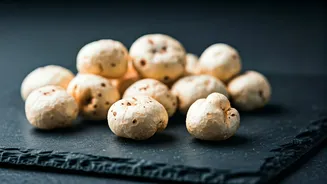
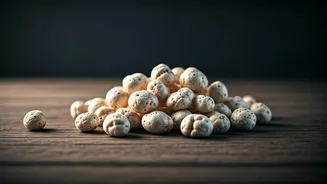
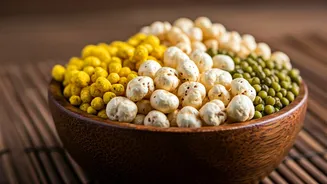
Perhaps no single ingredient better represents this trend than makhana, also known as roasted water lily seeds or fox nuts. A staple in India for centuries, makhana is having a major moment in the U.S. health food scene. When roasted, the seeds pop into a light, airy, and incredibly satisfying crunch, somewhere between popcorn and a cheese puff, but without the corn or dairy.
Makhana is a nutritional powerhouse. It’s low in calories and fat, a good source of plant-based protein and fiber, and naturally gluten-free. Brands are now offering these popped seeds in a variety of Desi-inspired flavors like Himalayan Pink Salt, Tangy Masala, or Turmeric & Chili. It’s the perfect example of an ancient, wholesome ingredient being reintroduced as a modern, guilt-free snack.
From Childhood Kitchens to Store Shelves
A huge part of this movement’s authenticity comes from its founders. Many of the brands pioneering these snacks were started by people who grew up eating them. They noticed a gap in the market for healthy snacks that didn’t compromise on the bold flavors they loved. They wanted to create products that felt both nostalgic and innovative, satisfying a craving for home while appealing to a broad American palate.
This personal connection results in higher-quality products. They are often baked instead of fried, made with non-GMO ingredients, and free from artificial flavors and preservatives. The mission is twofold: to build a successful business and to share a piece of their cultural heritage, one delicious, crunchy bite at a time. It’s a story of cultural exchange playing out in the most accessible place possible: the grocery store.