

A Riot of Color on The Ridge
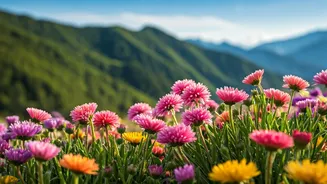
For residents and visitors alike, the return of Shimla’s summer flower show is more than just a horticultural event; it's a cherished ritual. Held on The Ridge, the town’s iconic open-air promenade, the show transforms the public space into a dazzling
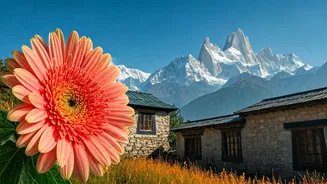
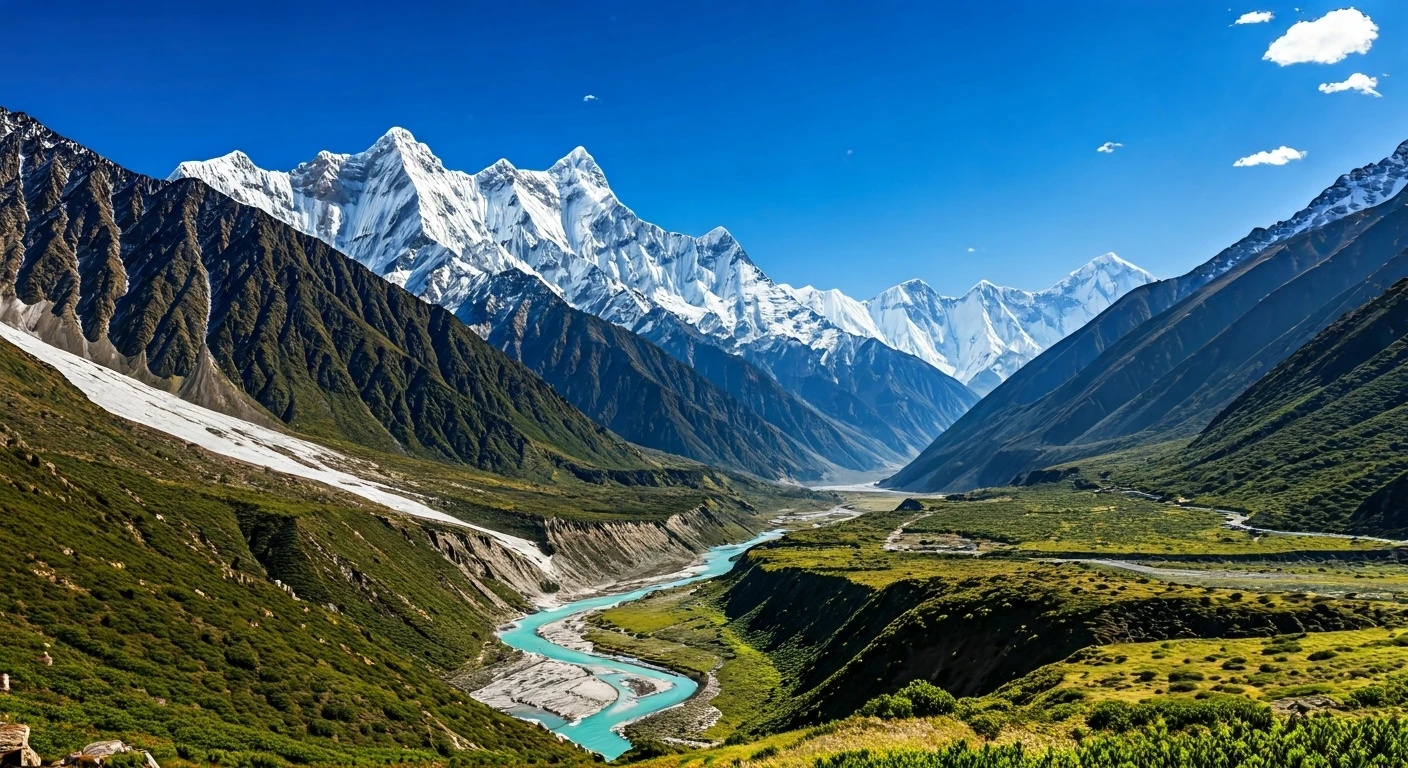
tapestry of color. Thousands of pots filled with petunias, geraniums, dahlias, and vibrant salvias are meticulously arranged, creating a stark, beautiful contrast against the backdrop of the snow-capped Himalayan peaks. Organized by the local municipal corporation, the event draws gardeners, families, and tourists who wander through the displays, snapping photos and breathing in the fragrant air. It’s a simple, joyful celebration of nature’s resilience and the changing of the seasons in a town that feels suspended between eras. After a period of quiet, the vibrant competition and public admiration mark a return to the communal spirit that defines this unique mountain retreat.
The Echoes of the British Raj
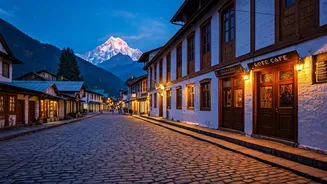
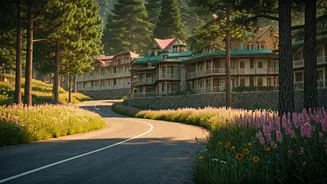
To understand Shimla’s magic, you have to look past the flowers and into its history. This isn't just any mountain town; it was once the official summer capital of British India. From the 1860s until India's independence in 1947, the entire colonial administration would relocate here from Calcutta (and later Delhi) to escape the brutal summer heat. The legacy of that era is everywhere. The town’s core is a spectacular collection of neo-Gothic, Tudor, and Victorian architecture. The most imposing structure is the former Viceregal Lodge, a magnificent Scottish Baronial mansion where crucial decisions about the subcontinent's future were made. Strolling through Shimla’s pedestrian-only heritage zone feels like walking onto a film set. You half-expect to see Rudyard Kipling scribbling in a notebook at a cafe or ladies in Victorian dress taking tea. This historical weight gives the “hill vibes” their unique texture—a mix of imperial grandeur and mountain tranquility.
Decoding the 'Hill Vibes'
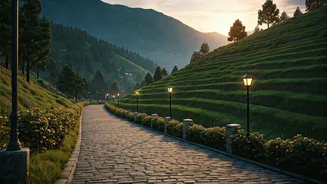
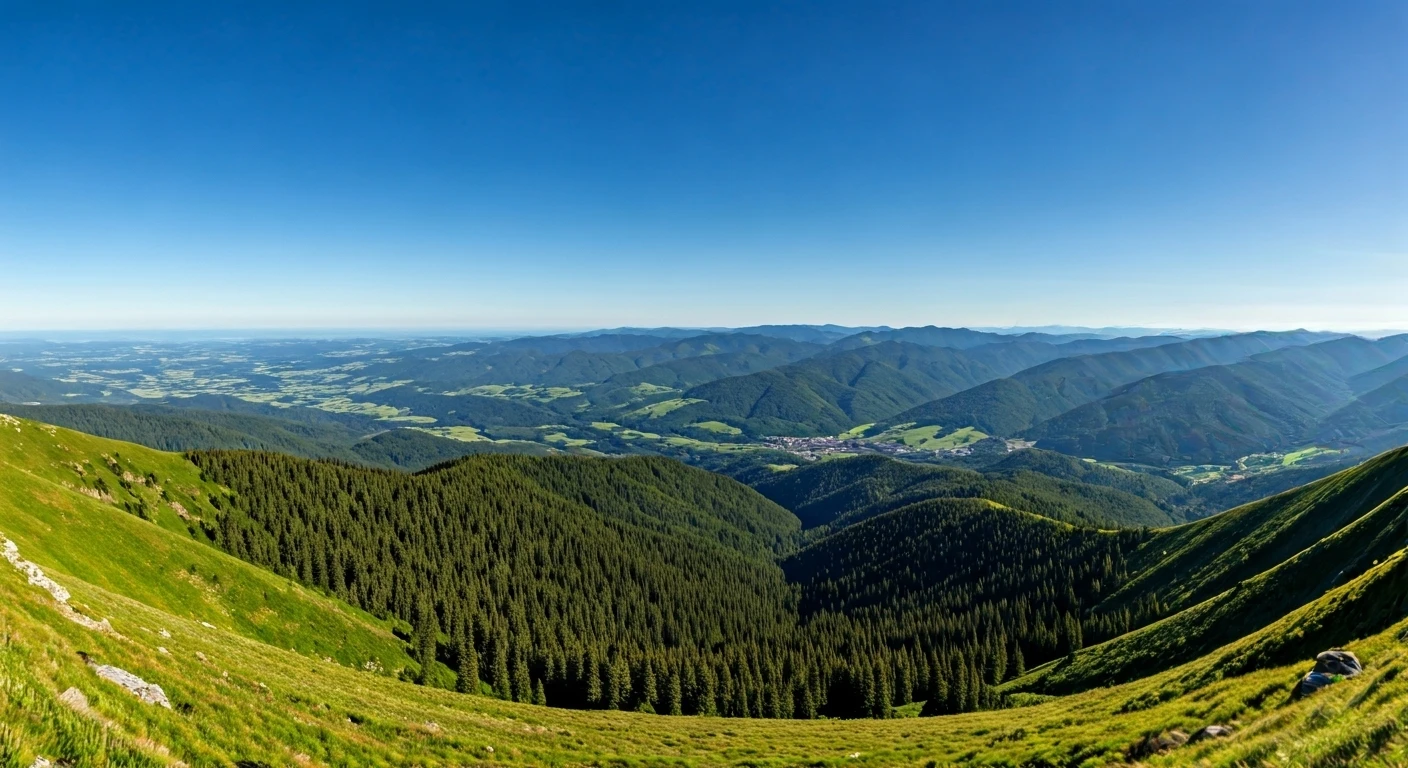
So, what exactly are these “hill vibes”? It’s a feeling woven from several distinct threads. It starts with the air—crisp, clean, and scented with cedar and pine. It’s the enforced slowness of a town center largely free of cars, where the main modes of transport are walking and the occasional government lift. The heart of this experience is the Mall Road, a long, winding street lined with shops, bakeries, and bookstores that follows the contour of the mountain. Here, people don't rush; they stroll. Locals catch up on gossip, honeymooners hold hands, and families treat their children to soft-serve ice cream, all while gazing at the stunning valley views. The vibe is also in the Kalka-Shimla Railway, a UNESCO World Heritage Site. This narrow-gauge “toy train” winds its way through over 100 tunnels and across 800 bridges, offering a journey back in time before it even reaches the station.
A Modern Himalayan Escape
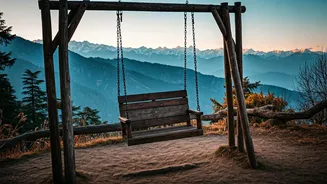
While its colonial past is a huge part of its identity, Shimla is no museum piece. Today, it’s a bustling hub for Indian tourism. It has adapted to the modern traveler while fiercely protecting its historical core. The old-world hotels now stand alongside boutique guesthouses. The traditional Indian coffee houses coexist with trendy cafes serving lattes and avocado toast. For Americans seeking an alternative to the well-trodden European trail, Shimla offers a fascinating blend of the familiar and the exotic. It provides the comfort of a walkable, scenic town but places it within the rich, complex cultural context of India. It’s a place to read, to walk, to reflect, and to simply be. The return of public events like the flower show is a reminder that Shimla’s appeal is timeless, a destination that continues to offer refuge and beauty to all who make the journey up into the hills.