

The Pressure Cooker of the New India
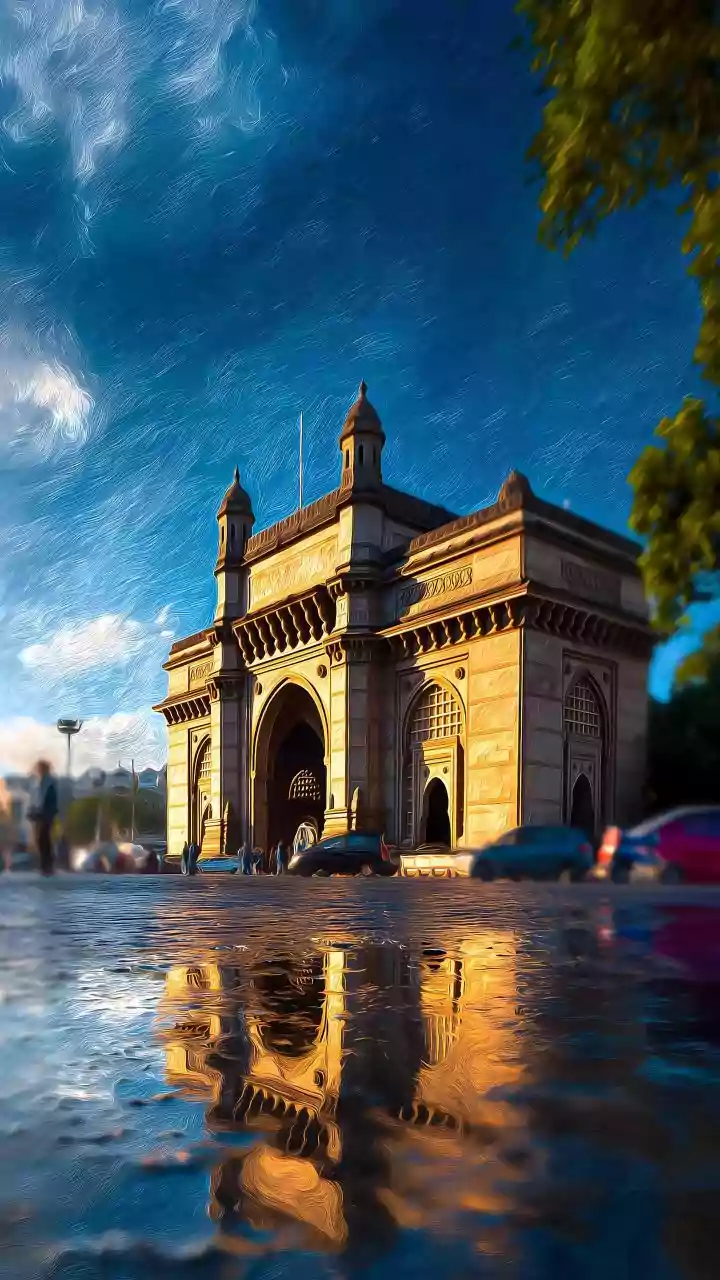
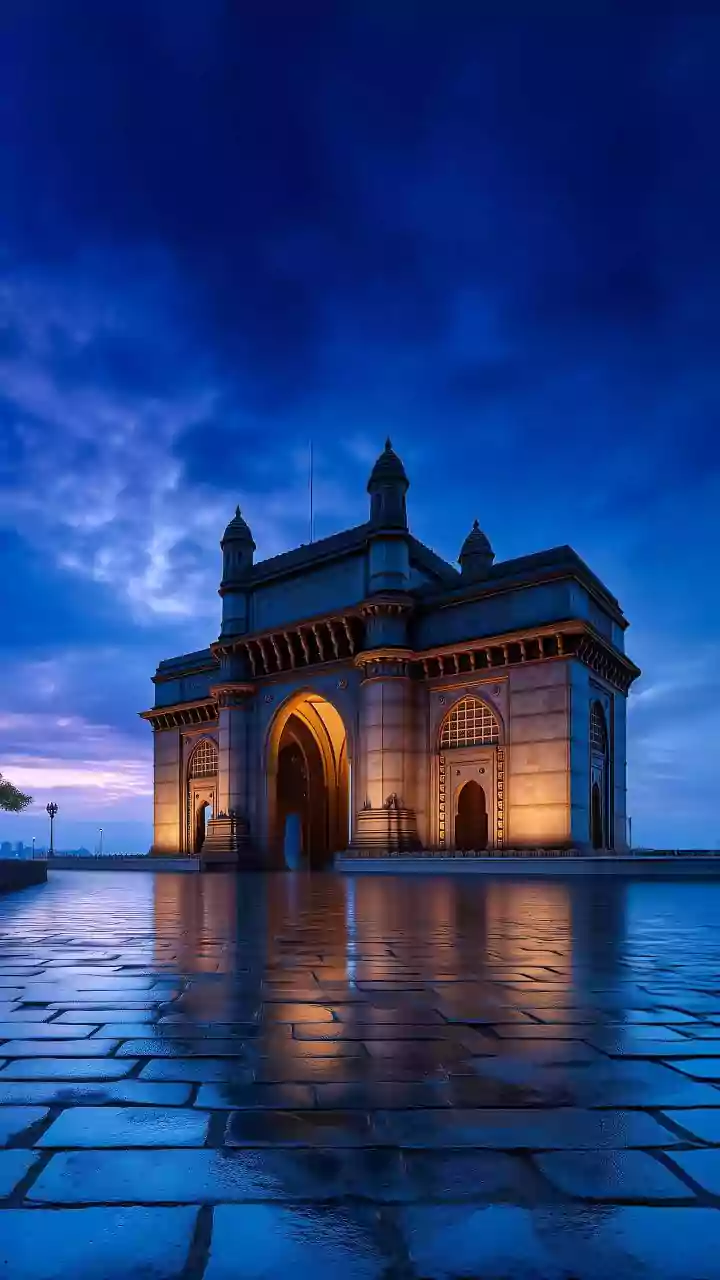
Imagine the relentless energy of New York City's Financial District, but amplified across cities like Mumbai, Bangalore, and Delhi. This is the reality for millions of young Indians powering the country's economic engine. They are the first or second
generation to have widespread access to corporate jobs in tech, finance, and consulting. With this opportunity comes immense pressure: grueling hours, punishing commutes, and a culture of constant connectivity. The traditional Indian model of a long, annual family vacation to a distant hometown is becoming impractical for this demographic. They have the disposable income for leisure but lack the most precious resource: time. This gap has created a powerful, unmet need for accessible, low-commitment ways to decompress and disconnect.
The Rise of the 'Micro-Adventure'
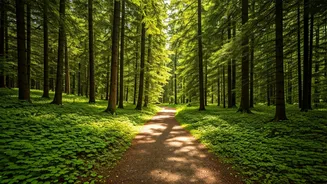
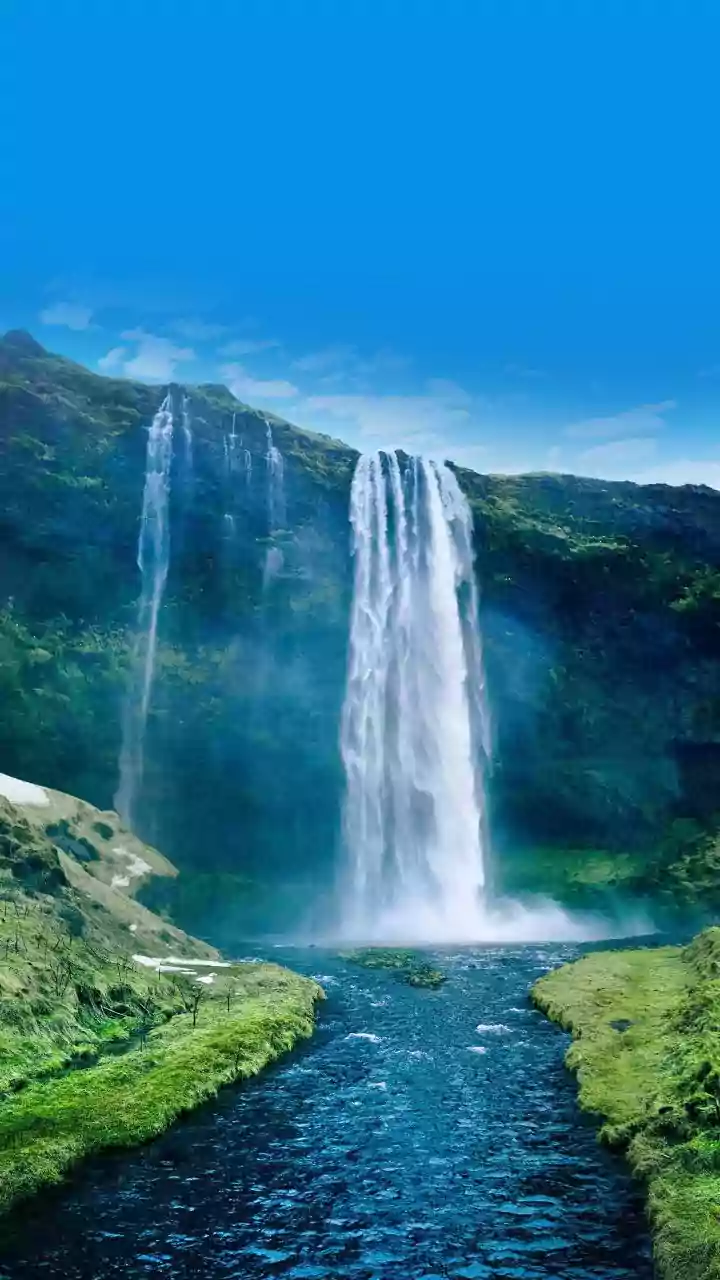
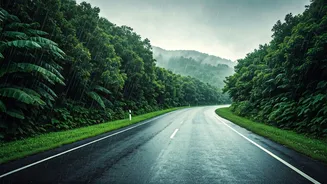
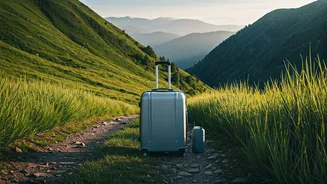
Enter the “quick nature break.” This isn’t a month-long Himalayan trek or a leisurely tour of Rajasthan. It’s a hyper-efficient dose of the outdoors, designed to fit into a 48-hour window between Friday evening and Monday morning. Think of it as the wellness equivalent of a power nap. For someone in Mumbai, it might be a pre-dawn hike in the Western Ghats, a range of hills just a couple of hours' drive away. For a tech worker in Bangalore, it could be exploring a nearby forest reserve or going rock-climbing at a local crag. In Delhi, it’s a trip to the Aravalli hills for some bird-watching. These aren't grand expeditions; they are micro-adventures that prioritize rejuvenation over exhaustive travel. The goal isn't to conquer a summit but to simply breathe air that doesn’t taste of traffic fumes and see a horizon not defined by skyscrapers.
Fueled by Instagram and Startups
This movement isn’t just happening organically; it’s being accelerated by two major forces: social media and a new ecosystem of travel startups. Platforms like Instagram have transformed obscure hiking trails and waterfalls into must-visit destinations. The 'getaway' has become a form of social currency, a visual testament to a life lived beyond the office cubicle. A photo of a serene landscape is as much a status symbol as a new smartphone. Capitalizing on this, dozens of startups have emerged to curate these experiences. Companies like Thrillophilia and Plan The Unplanned offer all-inclusive weekend packages that remove every ounce of friction. For a fixed price, they handle transportation, guides, food, and accommodation (often in tents or rustic homestays). For a busy 28-year-old software developer, the ability to book a complete weekend adventure with a few clicks on an app is a game-changer. It makes a nature escape as easy as ordering dinner.
A Global Craving for Green
While the context is uniquely Indian, the impulse is universal. American urbanites can see a clear parallel in their own lives: the weekend trips to the Catskills from NYC, the drives from L.A. to Joshua Tree, or the hikes in the Marin Headlands for San Franciscans. The pandemic intensified this global craving for open spaces, but the underlying trend was already there. In both cultures, a generation grappling with digital burnout and the anxieties of modern work is increasingly looking to nature not just for recreation, but for restoration. The Indian trend is a powerful reminder that as societies become more urbanized and technologically advanced, the simple, ancient appeal of a forest trail or a quiet lake becomes more, not less, essential.