




Beyond the Golden Triangle
For decades, the international traveler's map of India was often limited to the “Golden Triangle”—the well-trodden circuit connecting Delhi, Agra, and Jaipur. It’s an itinerary that promises bucket-list heavyweights like the Taj Mahal, Amber Fort, and bustling
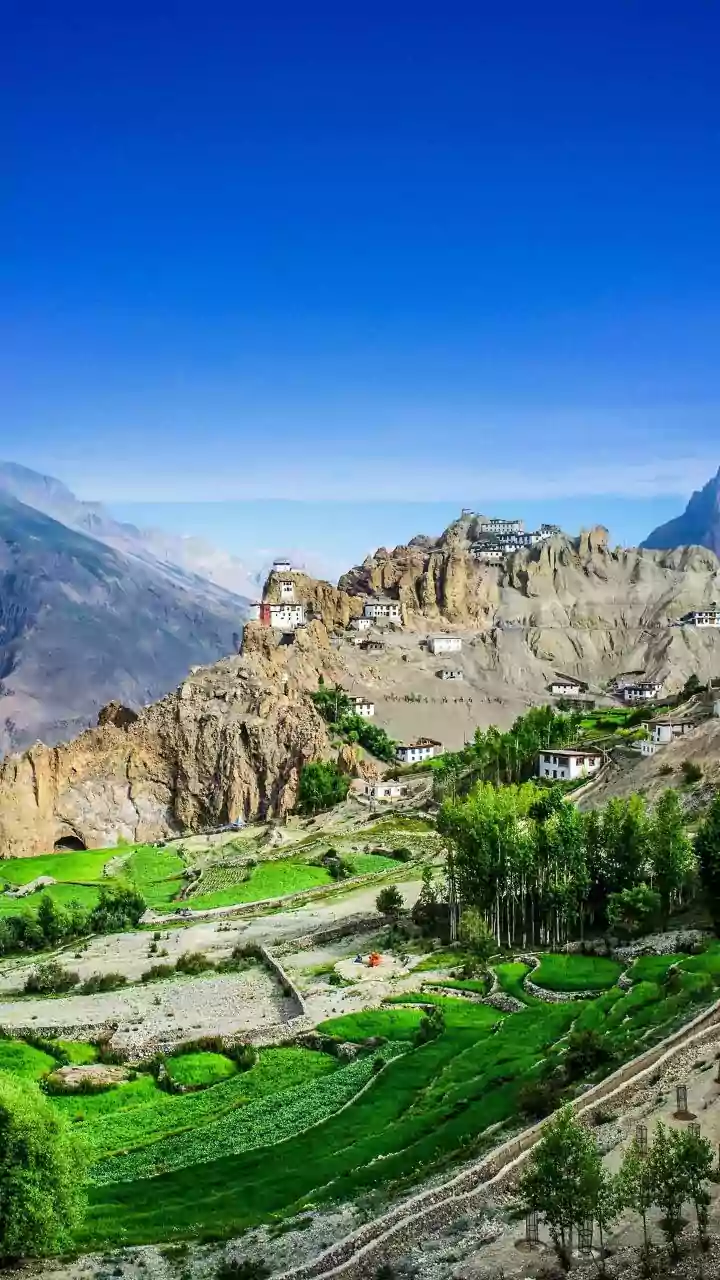
Delhi markets. And while these sites are undeniably magnificent, they represent only a sliver of India's immense cultural tapestry. Now, both international visitors and a growing wave of domestic Indian travelers are consciously stepping off this path. They’re driven by a desire for authenticity over spectacle, connection over observation. The new travel philosophy isn't about how many monuments you can see in a week, but how deeply you can connect with one small corner of the subcontinent. This shift is powered by better infrastructure in remote areas, the rise of social media showcasing hidden gems, and a collective fatigue with cookie-cutter tourism.
The Rise of the Homestay
Perhaps nothing embodies this new approach more than the explosion of homestays and boutique guesthouses. Instead of the polished anonymity of a five-star hotel chain, travelers are opting to stay in family-run homes, restored havelis (traditional mansions), or eco-conscious farm stays. This choice fundamentally changes the travel experience. A hotel gives you a comfortable room; a homestay gives you context. Suddenly, you’re not just a tourist. You’re a guest, sharing morning chai with the host family, learning the secrets to a perfect dal from a grandmother, and getting insider tips on the best-hidden temple or the quietest spot to watch the sunset. These stays, from the coffee plantations of Coorg in Karnataka to the riverside homes in the backwaters of Kerala, offer an unfiltered window into daily life and put tourist dollars directly into the hands of local communities.
Food as the Main Event
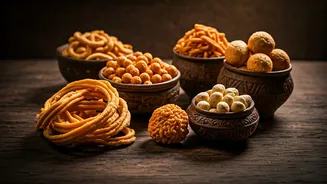
Another powerful engine of this local exploration is food. Indian cuisine is not a monolith; it’s a breathtakingly diverse collection of regional traditions, and travelers are finally treating it as the main attraction rather than just a meal. The new culinary tourism goes far beyond ordering butter chicken in a tourist-trap restaurant. It’s about joining a food walk through the chaotic lanes of Old Delhi to sample street food from vendors who have perfected one dish for generations. It’s taking a cooking class in a Chettinad kitchen in Tamil Nadu to learn the complex art of spice blending. It’s exploring the unique, seafood-centric cuisine of the Konkan coast or discovering the vegetarian thalis of Gujarat. By following their appetites, travelers are being led to villages, markets, and homes they would have otherwise never discovered, tasting a side of India that is as authentic as it is delicious.
Finding a Deeper Niche
Ultimately, local exploration is about pursuing personal passions in a new context. The generic tour is being replaced by hyper-specific, interest-led journeys. Textile lovers are building trips around the block-printing workshops of Rajasthan and the weaving villages of Kutch. Wellness seekers are bypassing crowded yoga centers for quieter ashrams in the Himalayan foothills. Wildlife enthusiasts are looking beyond the famous tiger reserves to discover the unique ecosystems of the Northeast or the lion sanctuaries of Gujarat. This approach allows for a much more personal and meaningful engagement with the country. It transforms the traveler from a passive consumer of culture into an active participant, learning a skill, understanding a craft, or simply spending quiet time in nature. It’s a slower, more deliberate, and infinitely more rewarding way to travel.