





The Trouble with Turf
Artificial grass seemed like the perfect solution for urban pet parents: a low-maintenance, always-green spot for a dog to lounge or relieve itself. But a growing awareness of its downsides is fueling a shift. The primary concern revolves around the material
itself. Many artificial turf products are made with plastics and backing that can contain a cocktail of chemicals, including PFAS (per- and polyfluoroalkyl substances), often called "forever chemicals." While research is ongoing, health advocates worry about long-term exposure for pets who lie, roll, and lick their paws on these surfaces. Furthermore, these synthetic lawns can shed microplastics into the environment. Beyond chemical concerns, there are practical drawbacks. On a hot day, plastic grass can absorb and radiate heat, becoming uncomfortably—and even dangerously—hot for a pet’s sensitive paws. And while it's often sold as a clean alternative, urine can get trapped in the turf's layers, creating persistent odors that are difficult to eliminate completely.
Why Real Grass Wins
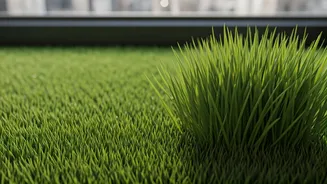
The move to real grass is about more than just avoiding the negatives of plastic; it’s about embracing the positives of nature. For dogs, a patch of real grass is instinctually appealing. It provides a natural, soft, and cool surface for them to lie on, even in the summer sun. The soil and root system act as a natural filter, helping to break down urine and control odors in a way that synthetic materials simply cannot. For pet owners, it’s a small patch of authentic nature in a concrete environment. A living lawn is aesthetically pleasing, contributes to a healthier micro-environment on your balcony by cooling the air, and offers the simple satisfaction of tending to a living thing. It transforms a sterile space into a tiny, vibrant ecosystem. This trend aligns with a broader desire for more sustainable, natural, and pet-centric urban living.
Creating Your Terrace Oasis
Making the switch is more manageable than it sounds. You’re essentially creating a large, shallow planter. The most popular method involves a 'porch potty' system, either store-bought or DIY. Start with a shallow, waterproof container or tray with drainage holes—a large litter box, a custom-built wooden frame with a waterproof liner, or a designated dog potty tray will work. Good drainage is non-negotiable. Elevate the container slightly to allow water and excess urine to escape into a collection tray or a drainage system. Inside the box, create layers. Start with a thin layer of gravel or perforated plastic matting to keep the soil from clogging the drainage holes. Next, add a layer of potting soil mixed with a bit of sand for better drainage. Finally, lay down your grass. The easiest option is to buy a roll or squares of real grass sod from a local garden center. It provides an instant lawn. Press it firmly onto the soil and water it well.
Keeping Your Lawn Alive
A living lawn requires care, but it doesn't have to be a major chore. Water your grass patch every couple of days—more often in hot weather—to keep it green and help flush out urine. If the grass gets too long, you can trim it with a pair of grass shears. To maintain soil health and combat odors, you can sprinkle it with water and a pet-safe enzymatic cleaner once a week. Depending on your pet's usage and your climate, you may need to replace the sod every few months to a year. Some companies even offer subscription services, delivering fresh patches of sod to your door. While it requires more effort than a plastic mat, most owners who make the switch find the trade-off—a happier pet, a fresher-smelling balcony, and a real piece of the outdoors—is more than worth it.