

Welcome to the Wettest Place on Earth
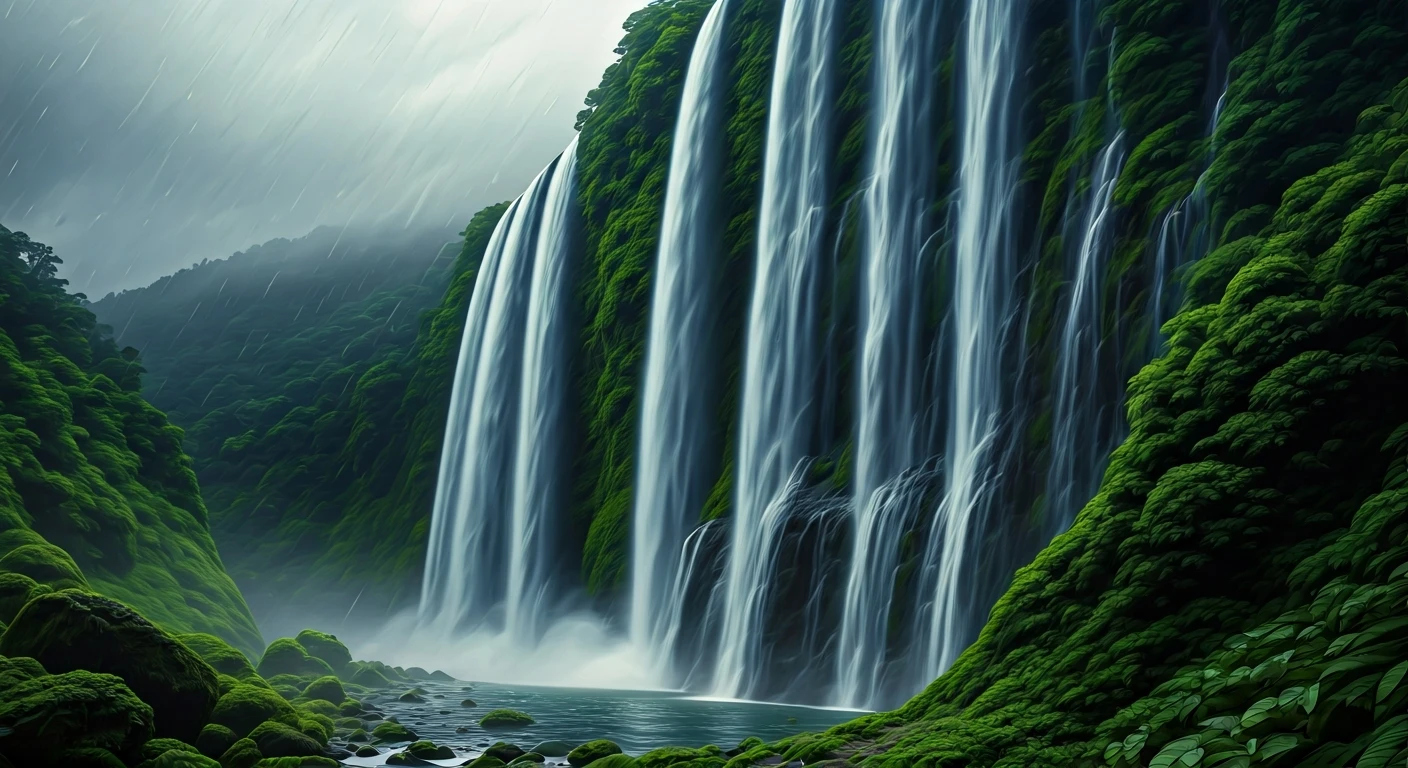
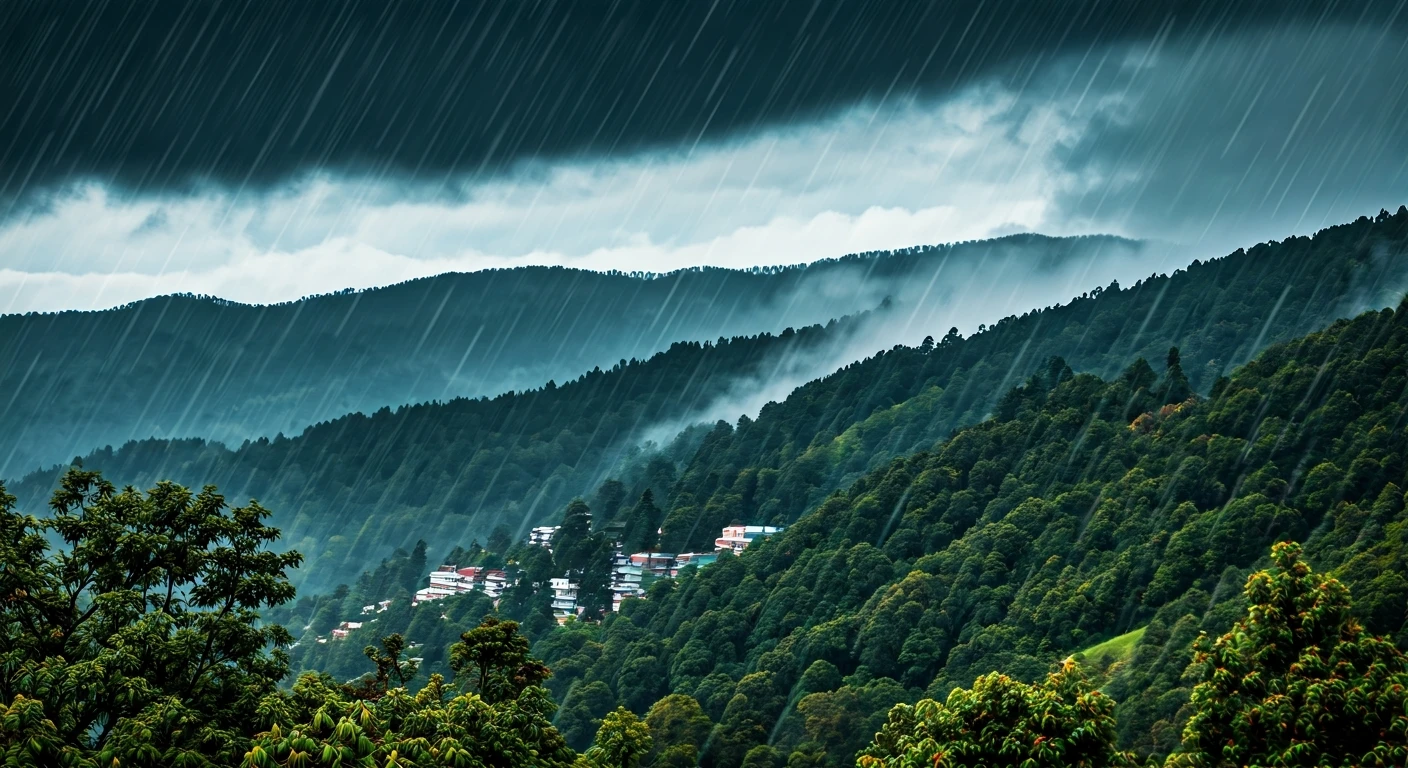
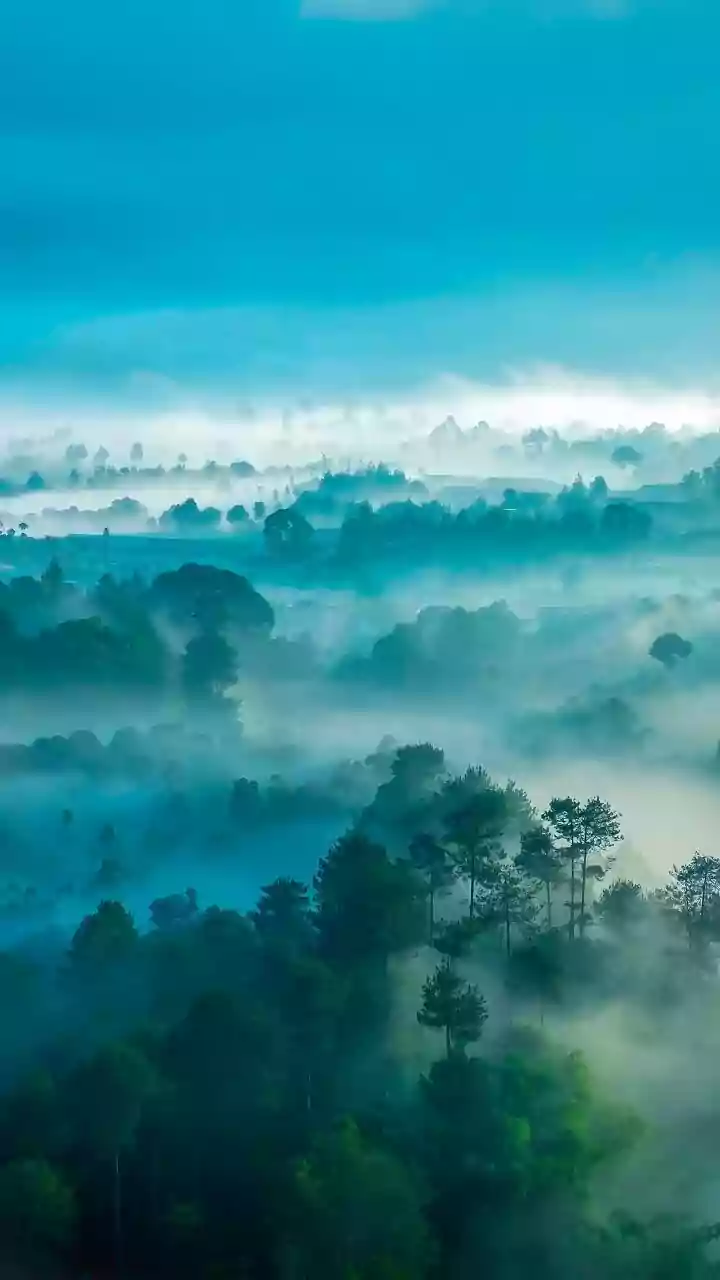
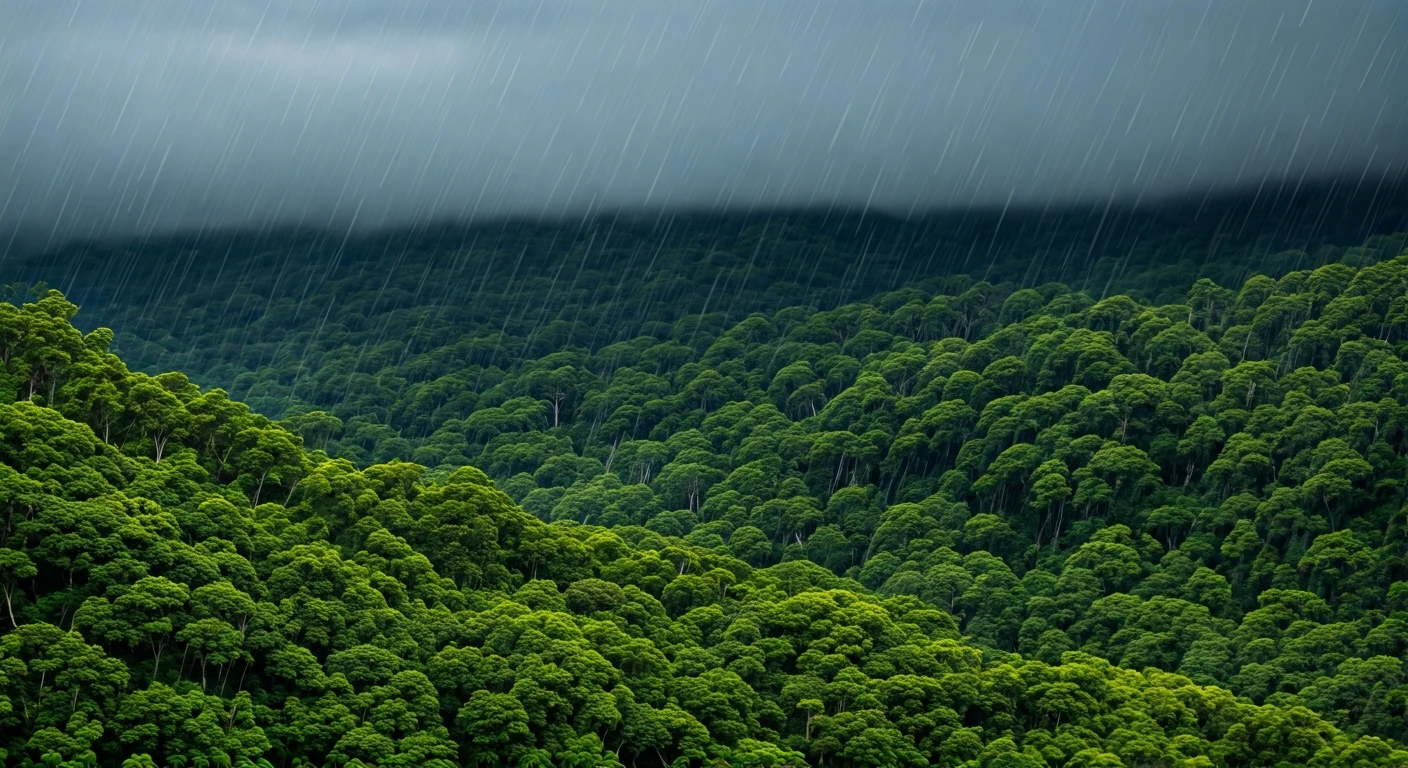
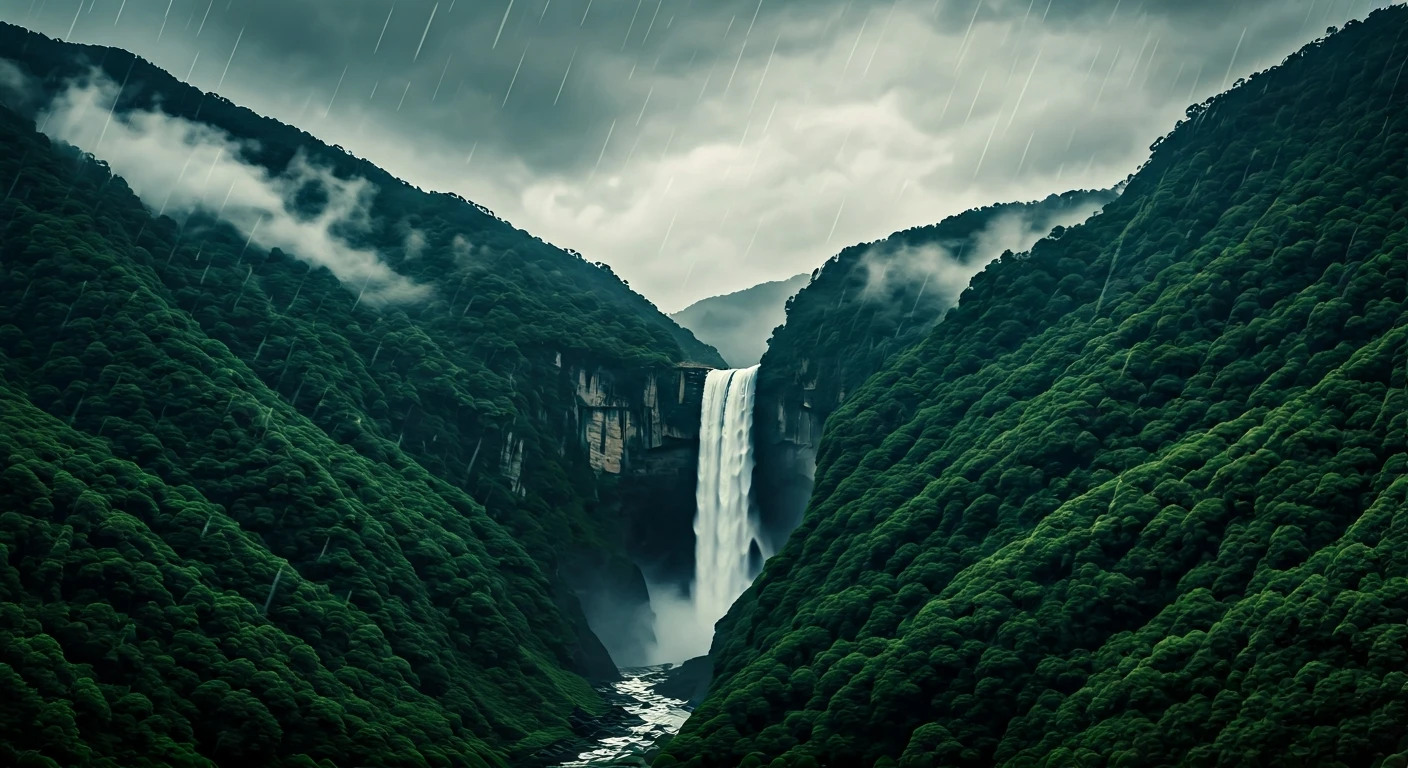
Tucked away in northeastern India, Meghalaya is aptly nicknamed “The Abode of Clouds.” This is home to Mawsynram and Cherrapunji, two villages that vie for the title of the wettest place on planet Earth, receiving an average of over 450 inches of rain
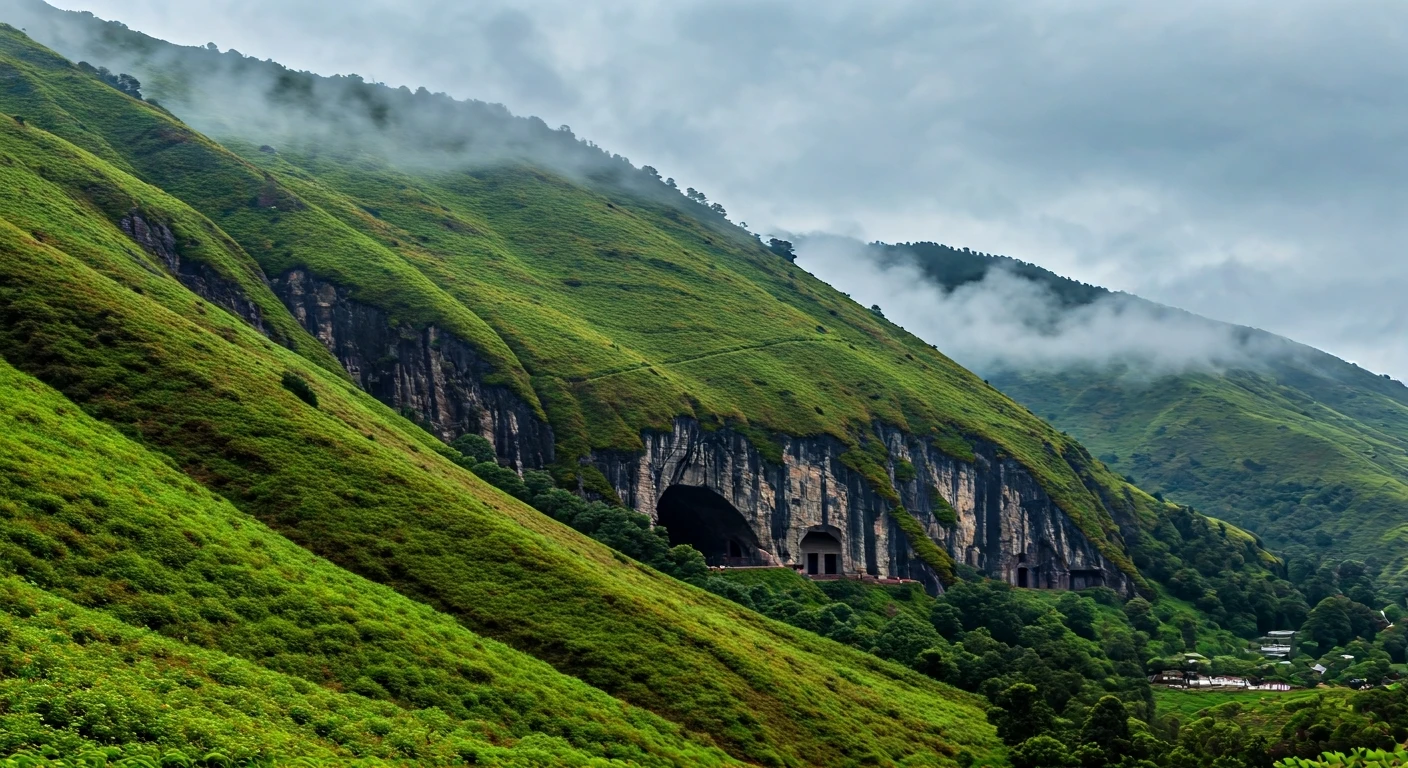
annually. For perspective, that’s nearly ten times the rainfall of Seattle. This relentless deluge has carved one of the most extraordinary landscapes imaginable. Instead of flowing over the land, the water has seeped into it, dissolving the region's soft limestone and creating a sprawling, labyrinthine network of over 1,600 caves. This is a world shaped by water, a 'karst' landscape of sinkholes, blind valleys, and underground rivers that come alive during the monsoon season.
A Subterranean Kingdom
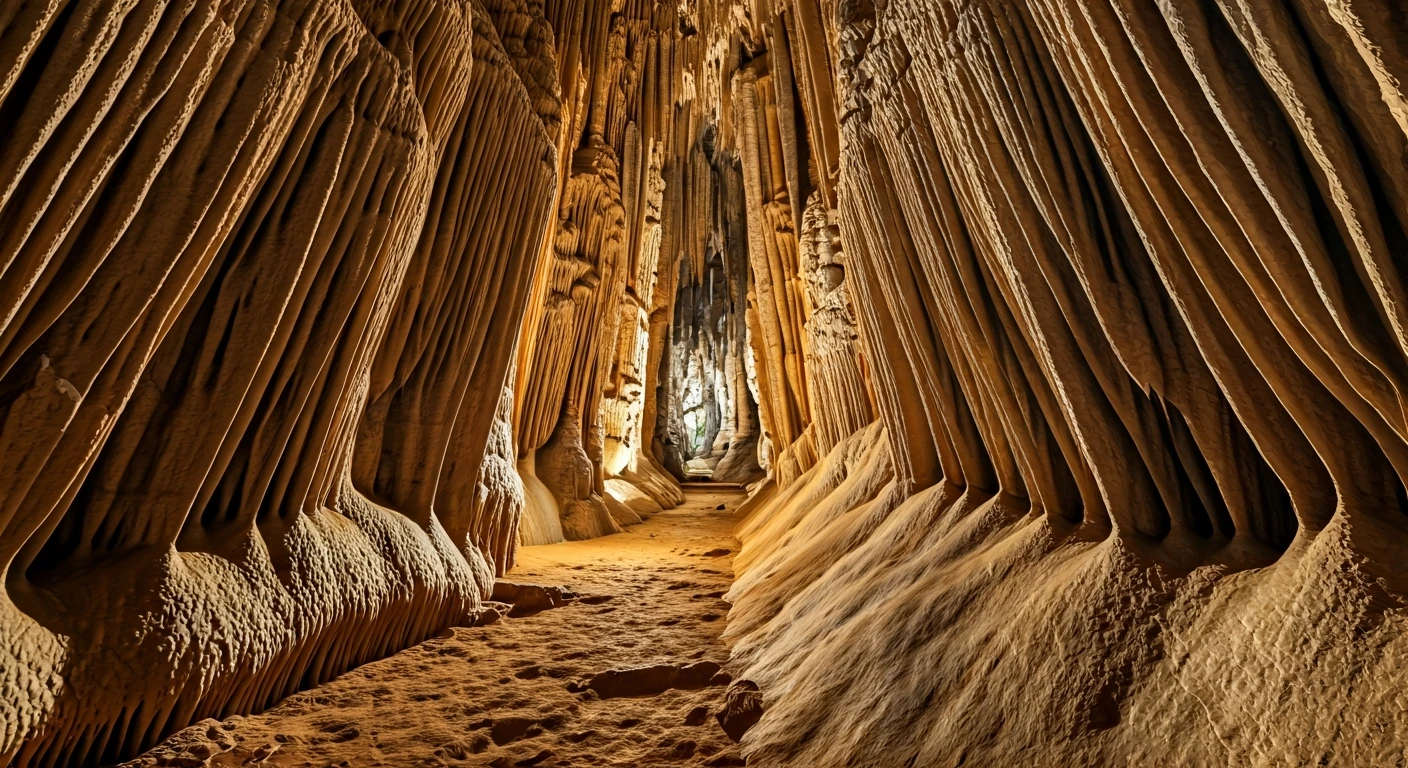
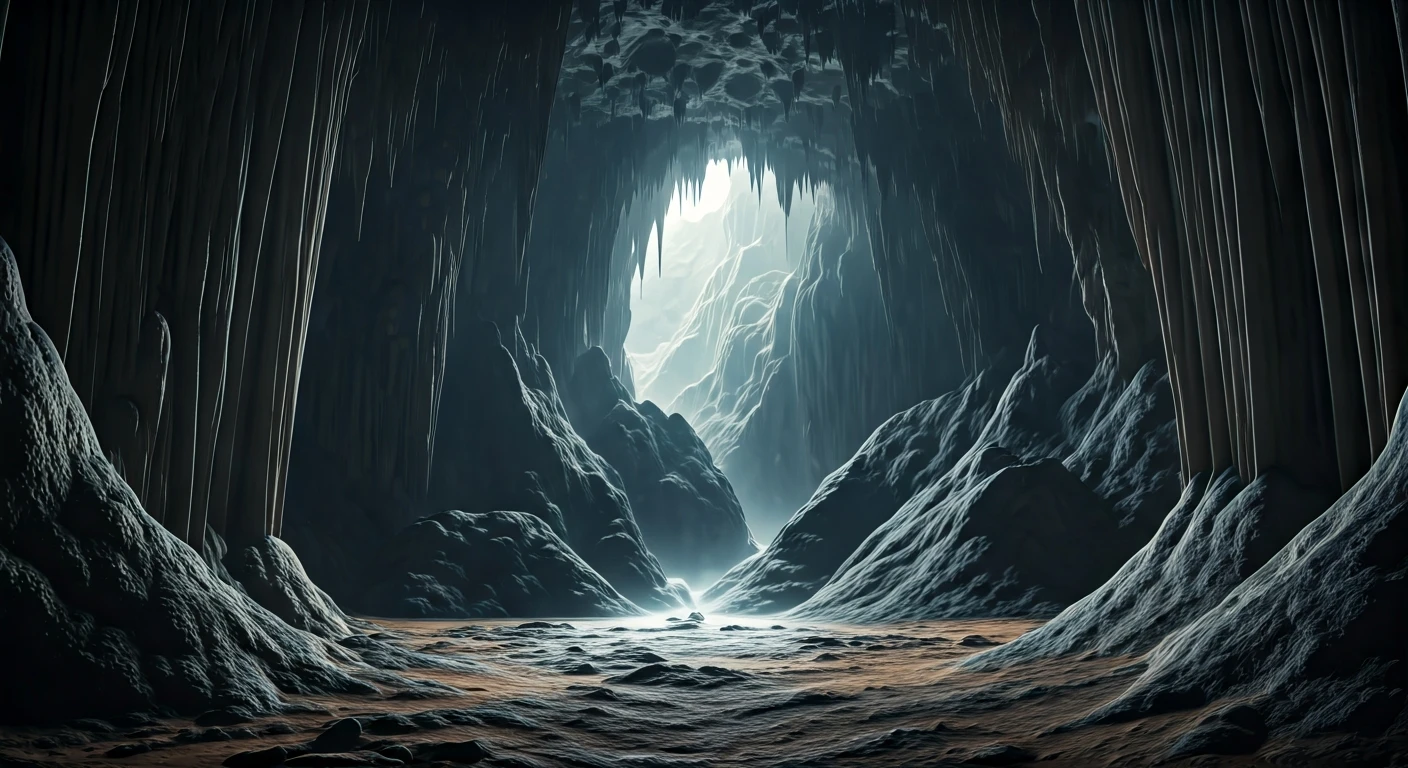
The caves of Meghalaya are not merely dark holes in the ground; they are vast, underground cathedrals of stone and water. Some, like the Mawsmai Cave, are well-lit and accessible to casual tourists, offering a dazzling introduction to this hidden world. Here, you can walk among colossal stalactites and stalagmites, formations that have been slowly growing for millennia. But for the more adventurous, Meghalaya is a global caving hotspot. It boasts Krem Liat Prah, one of the longest sandstone caves in the world, a complex system that continues to be explored by international speleological expeditions. Inside these deeper caves, you find unique ecosystems, with blind fish, rare arachnids, and vast chambers decorated with sparkling calcite formations and ancient fossils embedded in the walls.
The Monsoon's Dramatic Entrance
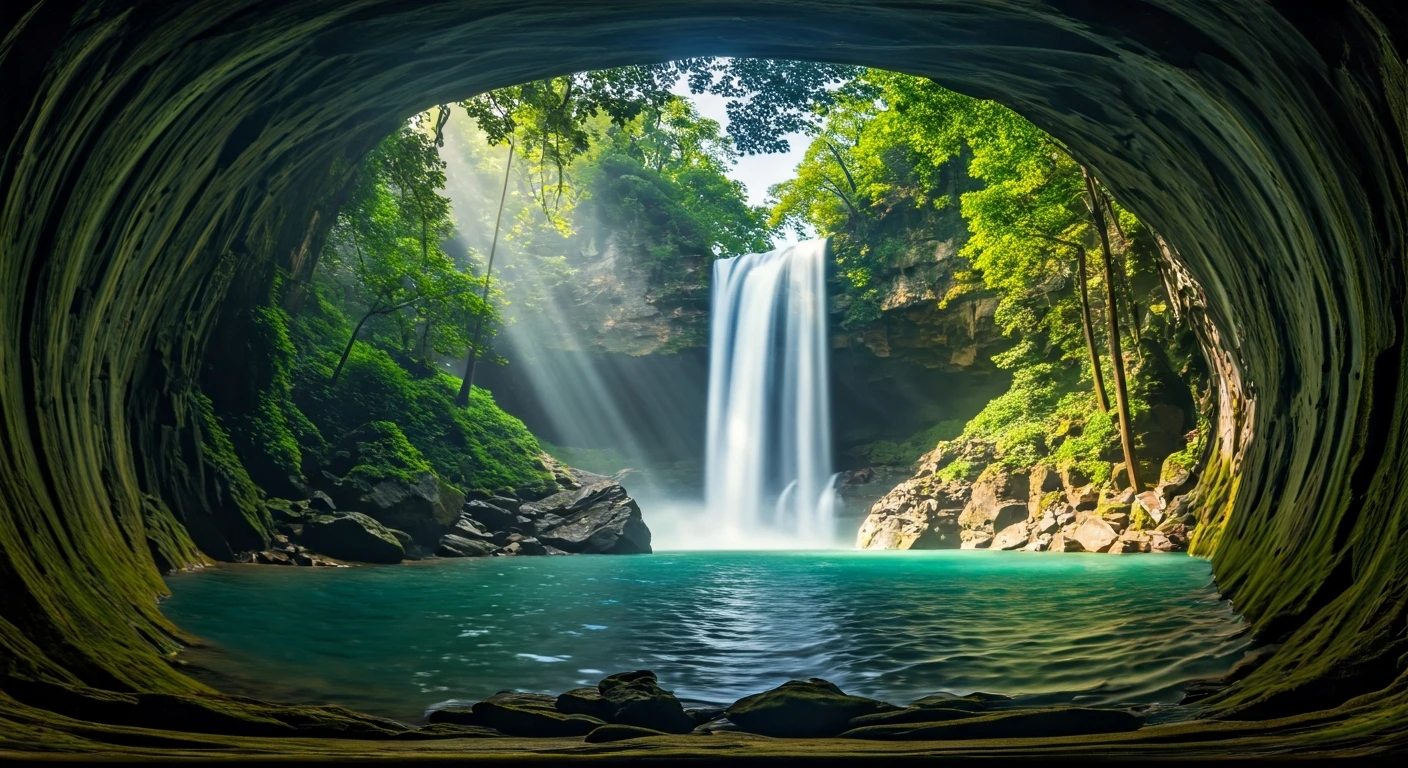
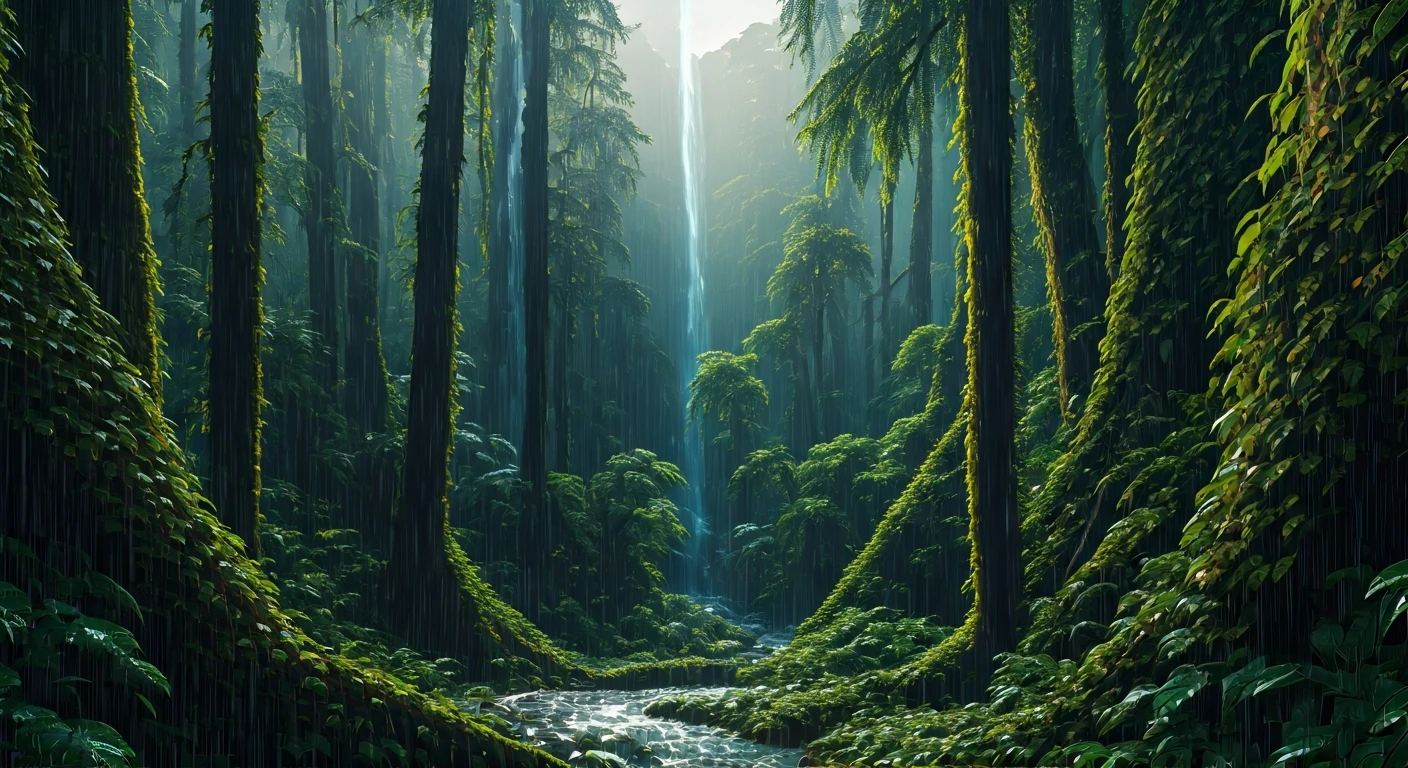
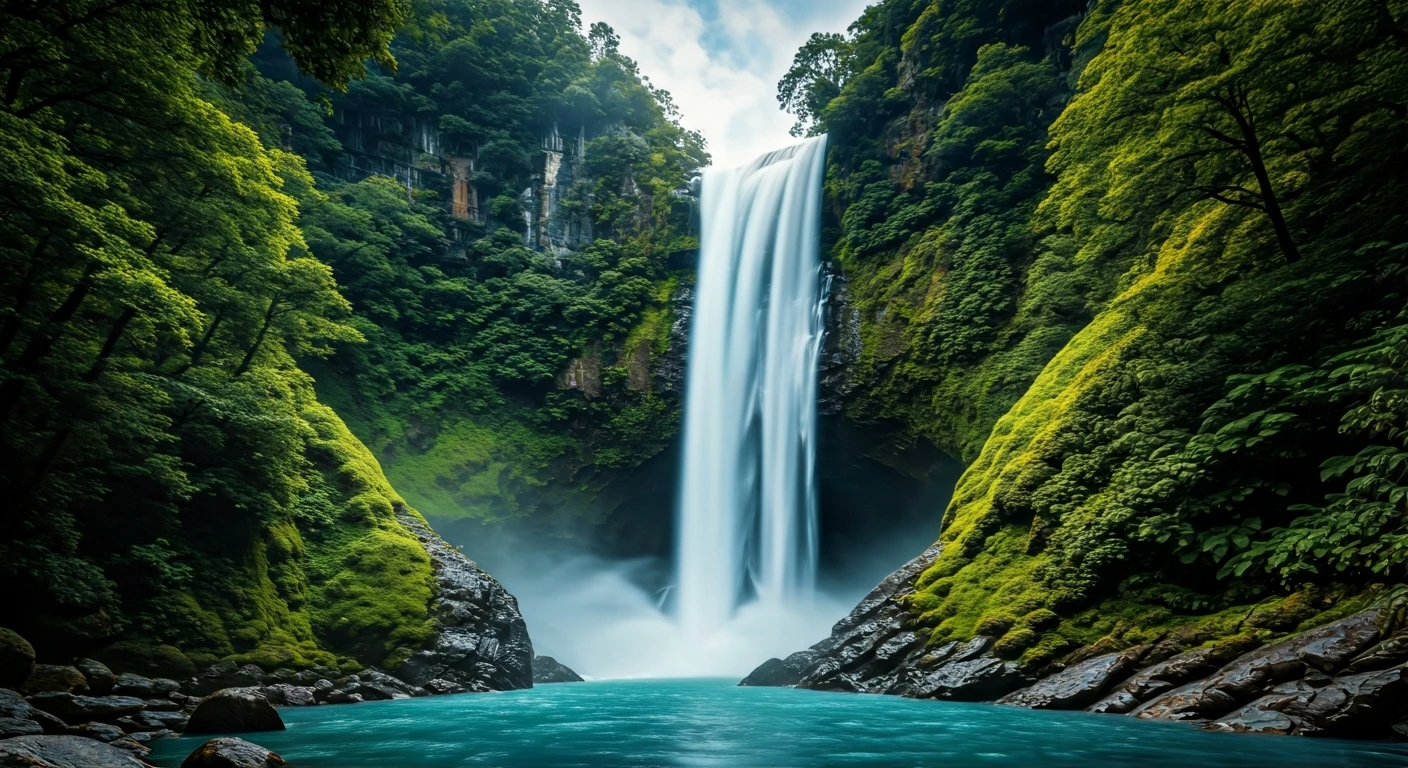
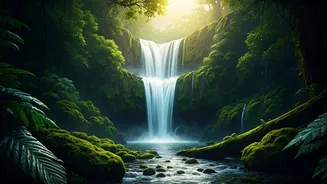
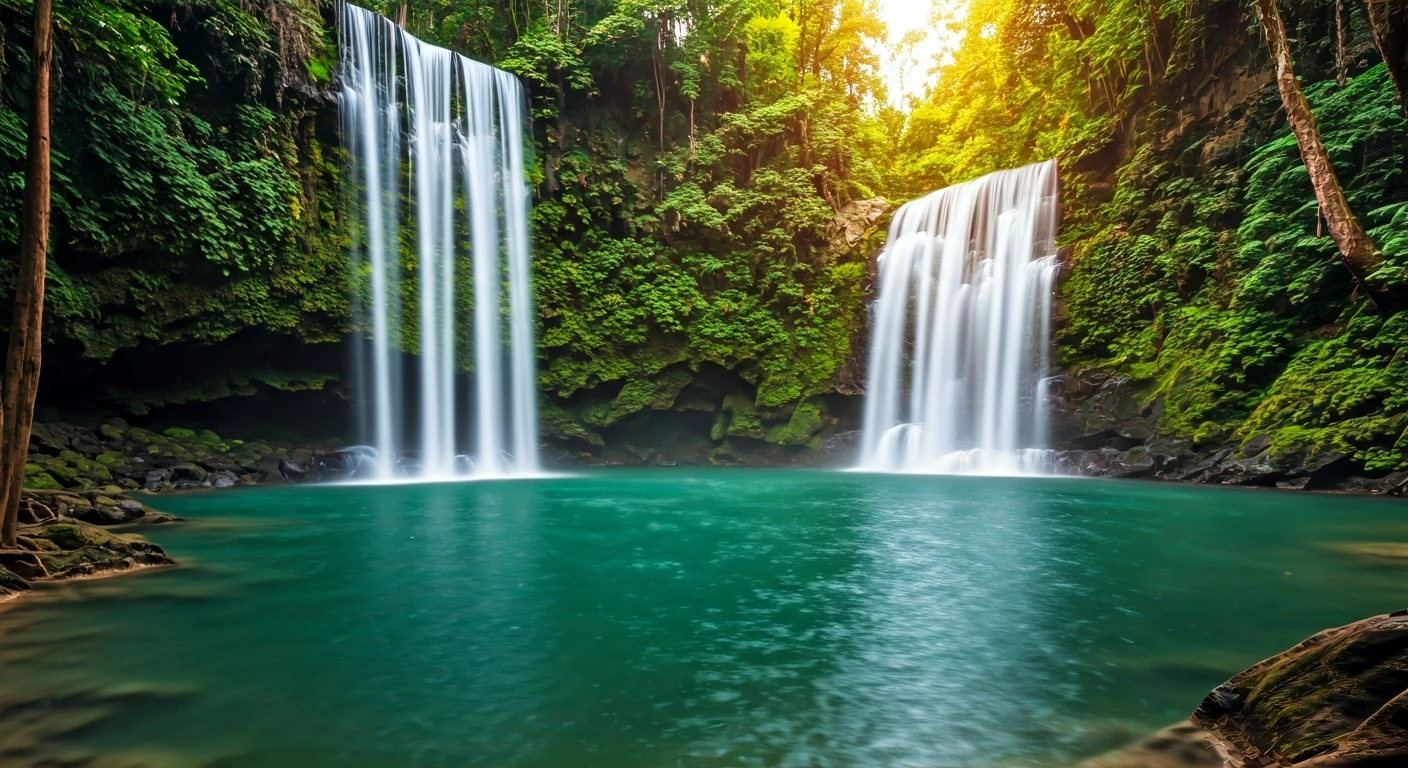
This is where the real drama unfolds. Visiting during the monsoon (roughly June to September) transforms the caving experience from a geological tour into a dynamic, sensory overload. The steady drum of rain on the forest canopy above is replaced by the roar of water below. Caverns that were dry just weeks before become thunderous with new waterfalls cascading through openings in the ceiling. Streams swell into powerful underground rivers, carving new paths through the darkness. The caves feel alive, breathing with the rhythm of the storm. This transformation is both a challenge and a reward. While many deeper, unlit caves become dangerously flooded and inaccessible, the more established tourist caves take on a new and dramatic beauty. The play of light on dripping walls, the sound of rushing water echoing through massive chambers—it’s an experience that’s both humbling and exhilarating.
An Adventure for Everyone
You don't need to be an expert caver to experience Meghalaya's magic. Local guides offer a range of experiences tailored to different comfort levels. For many, the journey begins at Mawsmai Cave near Cherrapunji. It's a perfect starting point, with safe walkways and lighting that highlights the stunning rock formations without diminishing the sense of wonder. For those seeking a bit more of a challenge, guides can lead you on 'wild caving' trips into less-developed systems like Krem Mawmluh. These adventures might involve wading through waist-deep water, squeezing through narrow passages, and relying on a headlamp as your only source of light. It’s an immersion into a world that feels completely removed from the one above, a reminder of the planet’s raw, untamed beauty hiding just beneath the surface.