
The Myth of Bland Health
Let’s get one thing straight: if your health-conscious meals are making you sad, you’re doing it wrong. For decades, diet culture sold us a lie: that for food to be good for you, it must be bland, boring, and stripped of all joy. Think of the fat-free
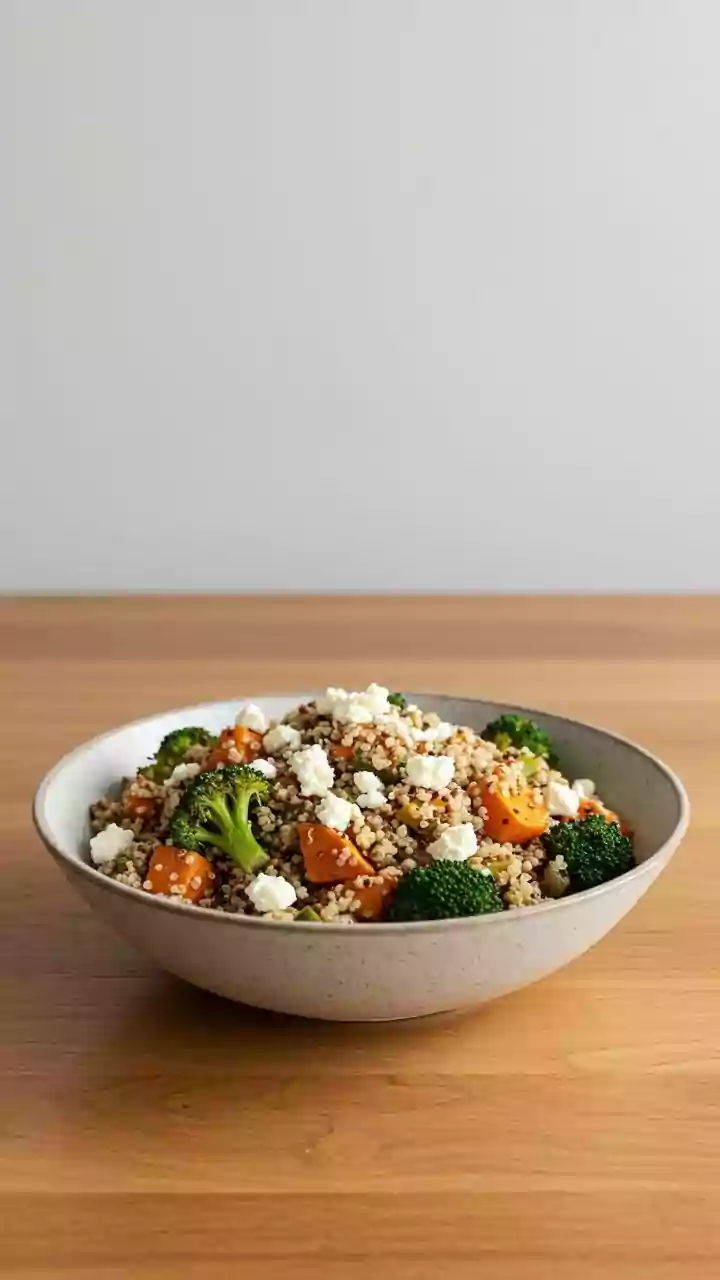
craze of the ‘90s, which replaced flavor-carrying fats with sugar and chemicals, or the endless advice to steam everything into submission. The result was a generation of people who associated “healthy” with deprivation. But our bodies are wired to seek pleasure from food for a reason. Flavor signals nutrients, energy, and, most importantly, satisfaction. When a meal is genuinely delicious, your brain and body register contentment, reducing the urge to forage for a bag of chips an hour later. The problem isn't the steamed broccoli itself; it's the failure to treat it with the same culinary respect you’d give a French fry.
Think Like a Chef, Not a Dietician
While a dietician focuses on what’s in the food—the vitamins, minerals, and macros—a chef focuses on what happens *to* the food. This is the perspective shift that can save your palate. Instead of boiling your vegetables, roast them. High heat triggers the Maillard reaction, a chemical process between amino acids and sugars that creates a deep, savory, browned crust. It’s the reason a seared steak tastes infinitely better than a boiled one, and the same science applies to Brussels sprouts, carrots, and cauliflower. Acidity is another secret weapon. A simple squeeze of lemon or a splash of vinegar can brighten an entire dish, cutting through richness and making flavors pop. Fat, long vilified, is essential. It’s a vehicle for fat-soluble vitamins and, crucially, for flavor. A drizzle of good olive oil or a few slices of avocado doesn't just add calories; it adds a luxurious texture and helps carry the taste of spices and herbs across your tongue.
Build Your Flavor Toolkit
Making healthy food taste incredible isn’t about complicated recipes; it’s about having a simple toolkit of flavor-builders. Stop thinking of salt as the enemy and start seeing it as a fundamental flavor enhancer. A pinch of flaky sea salt on a ripe tomato is transformative. Explore the world of umami—the savory “fifth taste”—which adds a deep, satisfying richness to food. Sources like mushrooms, soy sauce, parmesan cheese (a little goes a long way), and tomato paste are umami powerhouses. Your spice rack is your best friend. Don't just sprinkle; bloom your spices by toasting them in a dry pan for a minute or adding them to hot oil before you add other ingredients. This awakens their essential oils and deepens their flavor. And don't underestimate the power of fresh herbs. A handful of cilantro, parsley, or basil thrown in at the end of cooking adds a burst of fresh, vibrant flavor that no dried herb can replicate.
It's About Addition, Not Subtraction
The psychology of restriction is brutal. When your mindset is focused on what you *can't* have, you’re already setting yourself up for failure. A more joyful and sustainable approach is to focus on what you can *add*. Instead of a plain salad, ask: What can I add to make this exciting? Maybe it’s a handful of toasted pecans for crunch, some creamy goat cheese for tang, or roasted chickpeas for a savory bite. Instead of a bare chicken breast, think about a flavorful marinade of yogurt, lemon, and garlic. Instead of plain oatmeal, swirl in some cinnamon, a spoonful of nut butter, and some fresh berries. This additive approach turns mealtime from a chore into a creative act. You’re not just eating to be healthy; you’re composing a delicious meal that happens to be good for you.