







The Quiet End of the War on Carbs
For years, the dominant health narrative was a full-scale assault on carbohydrates. Diets like Atkins, Paleo, and Keto painted bread, pasta, and rice as the enemy. To be healthy was to be low-carb. But a quieter, more sophisticated counter-movement has
been brewing. Instead of outright carb-phobia, the focus has shifted to carb *quality*. The new wellness elite aren't cutting carbs; they're upgrading them. This pivot marks a significant change in how we think about food. It suggests a move away from dietary restriction and toward culinary curation. The 'flex' is no longer about what you deprive yourself of, but the discerning knowledge you use to build your plate. It’s about showing you know the difference between a generic slice of whole wheat and a rustic loaf made from freshly milled einkorn.
What Makes a Grain 'Better'?
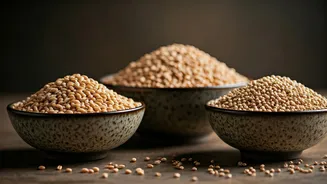
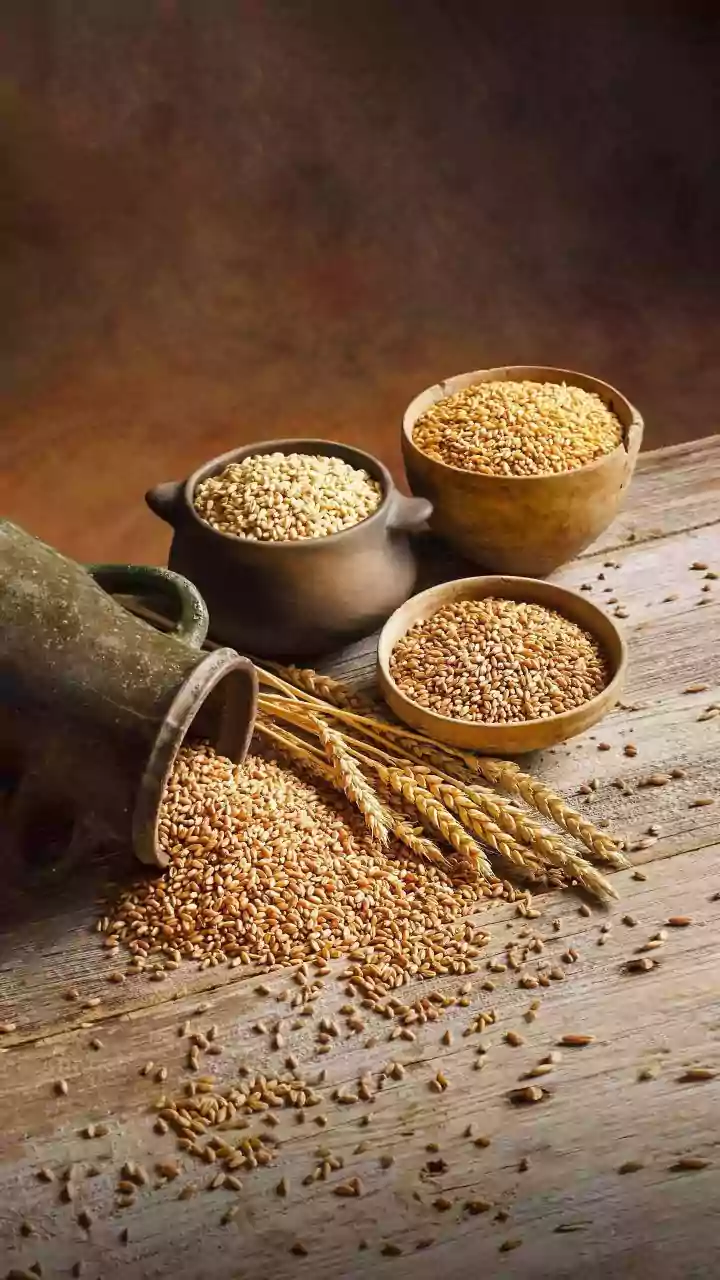
So what elevates a grain from a simple pantry staple to a status symbol? It’s a combination of factors. First, there's nutrition. Many of these heirloom grains, like spelt and Kamut, boast higher protein and fiber content than modern, mass-produced wheat. They often contain a wider array of micronutrients and, in some cases, a more digestible form of gluten. Second is agricultural integrity. Words like 'ancient' and 'heirloom' signal a connection to pre-industrial farming—less hybridization, often non-GMO, and grown on smaller, more sustainable farms. This narrative appeals to a consumer desire for authenticity and transparency in the food chain. Finally, there's pure culinary appeal. These grains simply taste more interesting. They have nutty, earthy, and complex flavors that standard processed flour has lost. They add texture and depth to everything from salads to porridge, transforming a mundane meal into a gourmet experience.
The Grain A-List: Farro
If ancient grains had a gateway drug, it would be farro. This nutty, chewy grain, an ancestor of modern wheat, has become a fixture on menus at farm-to-table restaurants and in the grain bowls of wellness influencers. Its satisfying bite holds up beautifully in soups and salads, absorbing flavors without turning to mush. Historically a staple in Italy, farro’s resurgence is thanks to its balanced profile: it's rich in fiber, protein, and minerals like magnesium and zinc. It’s the perfect entry point for anyone looking to move beyond quinoa, offering a more substantial texture and a subtly sweet, cinnamon-like flavor. It makes a salad feel like a hearty, complete meal.
The Grain A-List: Spelt
For the artisanal bread-baking crowd, spelt is the holy grail. Another ancient cousin of wheat, it has a slightly sweeter, nuttier flavor and a more delicate gluten structure, which some people find easier to digest. While not gluten-free, its unique properties make for wonderfully tender and flavorful baked goods. Spelt flour can be used in everything from pancakes and muffins to rustic sourdough loaves that have a beautiful crumb and a distinct, wholesome taste. Its popularity is tied directly to the home baking renaissance, where the process of milling your own flour and nurturing a starter is as much a part of the flex as the final product. Using spelt signals a commitment to craft and tradition.
The Grain A-List: Sorghum
Sorghum is the quiet overachiever of the better-grains world. This naturally gluten-free grain is a powerhouse of versatility and sustainability. Originating in Africa, it's a staple food for millions, and its drought-resistant nature makes it an incredibly climate-friendly crop. In the U.S., it’s gaining traction for what it can do in the kitchen. You can pop it like miniature popcorn for a crunchy snack, cook it into a creamy porridge, or use its mild, slightly sweet flour in gluten-free baking. It shines in grain bowls, adding a pleasant chew that's somewhere between couscous and pearled barley. Its adaptability and strong sustainability story make it a favorite among eco-conscious foodies.
More Than a Meal, It's a Mindset
Ultimately, the rise of better grains isn't just about finding a healthier carb. It’s a form of conspicuous consumption for the wellness set. Serving a farro salad at a dinner party or casually mentioning the spelt flour in your homemade bread is a subtle way to communicate a whole set of values: you’re informed about nutrition, you support sustainable agriculture, you have a sophisticated palate, and you invest time and money into high-quality ingredients. In a world saturated with fleeting food trends, the embrace of ancient grains feels grounding and intentional. It’s a flex, yes, but it’s one rooted in history, flavor, and a deeper connection to what we eat.