








The Great Humidity Myth
Let’s get the biggest question out of the way first: Do peace lilies actually reduce humidity? The short answer is no. In fact, they do the opposite. Like all plants, peace lilies release water vapor into the air through a process called transpiration.
Think of it as the plant 'breathing out.' While some tropical plants with large leaves are better at this than others, the net effect is a slight increase in ambient humidity, not a decrease. The popular belief that they function as natural dehumidifiers is a common but persistent myth. If you have a serious dampness or mold issue, a plant won’t fix it; you’ll need to address the source of the moisture and likely invest in a mechanical dehumidifier. So, if they don’t fight dampness, why are they so often recommended for improving a room’s atmosphere?
The Real Superpower: Air Purification
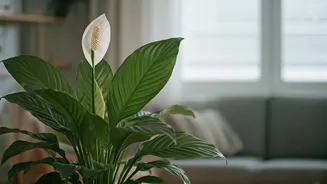
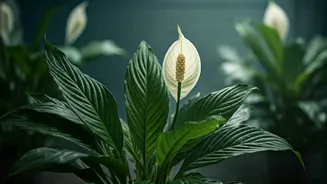
The peace lily’s true claim to fame isn't managing moisture but cleaning the air. Its reputation was cemented by NASA's Clean Air Study in the 1980s, which investigated ways to purify air in sealed space stations. The study found that certain houseplants are remarkably effective at filtering out common volatile organic compounds (VOCs) from the air. The peace lily (Spathiphyllum) was a star performer, shown to remove benzene, formaldehyde, trichloroethylene, xylene, and ammonia. These chemicals are surprisingly common in our homes, off-gassing from furniture, paints, carpets, and cleaning products. That 'stuffy' feeling in a closed-window room isn't just about humidity; it's often a buildup of these invisible indoor pollutants. By absorbing these toxins through its leaves and processing them in its root system, the peace lily acts as a living, breathing air filter.
From Stuffy to Fresh
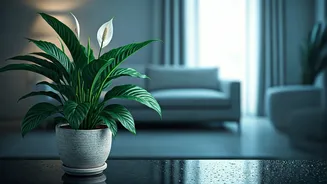
This is where the spirit of the headline holds true. While a peace lily won’t dry out your room, it can absolutely make it feel fresher and more pleasant to be in. By actively removing pollutants, it combats the chemical cocktail that contributes to that stale, stagnant indoor air quality. The psychological benefits are also real; adding greenery to a space is proven to reduce stress and improve mood. A room with a thriving peace lily feels more vibrant and alive. The gentle increase in humidity from transpiration can even be beneficial in overly dry, heated environments, helping to soothe dry skin and sinuses. So, while the mechanism is different from what many people assume, the end result is similar: a more comfortable and healthier indoor environment. The peace lily successfully combats stuffiness, just not in the way you might think.
How to Maximize the Benefits
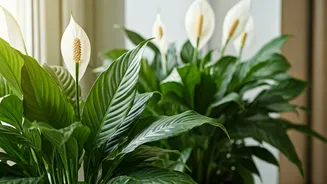
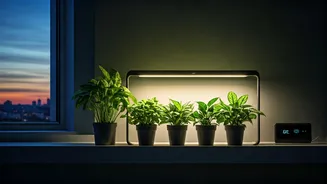
To get the most out of your peace lily as an air purifier, you need to keep it healthy. A stressed or dying plant won't be doing much filtering. Luckily, they are famously forgiving. Place your peace lily in a spot with bright, indirect light; direct sun will scorch its leaves. They prefer consistently moist but not waterlogged soil, so water thoroughly when the top inch of soil feels dry. One of the most important tips for air purification is to keep the leaves clean. Dust accumulation can block the pores (stomata) that the plant uses to absorb VOCs. Gently wipe the leaves with a damp cloth every few weeks to keep them glossy and efficient. The more healthy leaves a plant has, the more air-purifying power it provides, so consider grouping a few plants together for a more significant impact in a larger room.