



What 'Full-Spectrum' Really Means
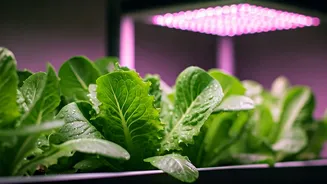
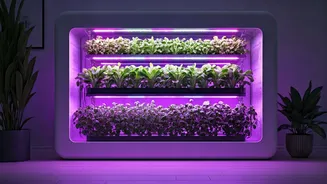
For decades, indoor gardeners made do with what they could find: buzzing fluorescent shop lights or incandescent bulbs that produced more heat than useful light. Then came the first generation of LED grow lights, often casting an alien-like purple or pink
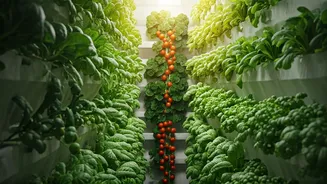
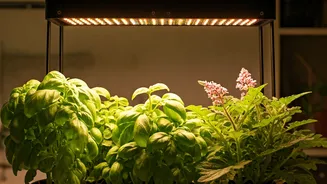
glow. While functional, they were a compromise. Full-spectrum LEDs are the next evolution. The term 'full-spectrum' means the light emitted covers the entire electromagnetic spectrum from infrared to near-ultraviolet—or, in simple terms, it closely mimics the natural, balanced light of the sun. Instead of just giving plants the red and blue light they need for basic photosynthesis, it provides a complete diet of light, including the green and yellow wavelengths that, scientists now know, play crucial roles in plant health and development. The result is a natural, white light that’s not only better for your plants but also much easier on your eyes.
From 'Blurple' Lights to True Sunlight
The 'smarter' aspect of full-spectrum LEDs becomes obvious when you compare them to older technologies. Those iconic 'blurple' (blue-red-purple) LED lights were designed around a simple, early understanding: plants primarily use blue light for vegetative growth (leaves) and red light for flowering. So, engineers created lights that produced only those two peaks, maximizing efficiency on paper. However, this approach is like feeding a person a diet of only protein and vitamin C. While they might survive, they won’t thrive. Plants grown under only red and blue light can be stunted or have trouble with disease diagnosis, as their leaves don't appear their natural color. Full-spectrum lights, by providing a balanced range of wavelengths, allow you to see your plants’ true colors, spot pests or nutrient deficiencies early, and encourage more robust, natural growth patterns that are closer to what they’d experience outdoors. It's a shift from just keeping plants alive to helping them flourish.
The Triple Win: Efficiency, Longevity, and Safety
Choosing full-spectrum LEDs isn’t just a horticultural upgrade; it's a smart home investment. First, there's energy efficiency. Compared to old-school high-pressure sodium (HPS) or fluorescent lights, modern LEDs consume significantly less power to produce the same amount of plant-usable light. This translates directly to lower electricity bills—a major plus for anyone running lights for 12-16 hours a day. Second, they have an incredibly long lifespan, with many quality fixtures rated for 50,000 hours or more. That means you could run a light for over a decade before needing a replacement, eliminating the recurring cost and hassle of changing bulbs. Finally, there's safety. LEDs run much cooler than other grow lights, drastically reducing the risk of scorching delicate seedlings or creating a fire hazard. You can place them closer to your plants for maximum impact without worrying about heat damage, giving you more control over your growing environment.
Choosing the Right Light for Your Space
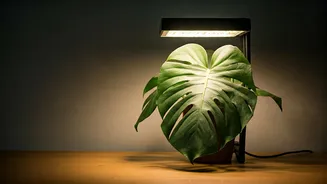
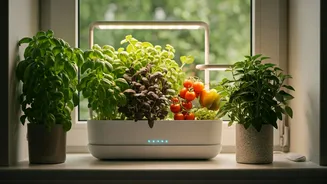
When shopping for a full-spectrum LED, it's easy to get lost in technical specs. Ignore the noise and focus on a few key ideas. First, consider the power your plants need. A light that’s great for growing lettuce or herbs might not be powerful enough for a flowering tomato plant. Look for a light’s PAR (Photosynthetically Active Radiation) value, which measures the amount of useful light for plants. Manufacturers often provide a PAR map showing the light intensity at different distances. Second, think about your space. A single bulb-style grow light might be perfect for a prized ficus in the corner, while a panel or bar-style light is better for covering a tray of seedlings. Finally, look for features that make your life easier. Many modern LEDs come with built-in timers, dimming capabilities, and even app controls, allowing you to automate your lighting schedule and mimic sunrise and sunset, making your indoor garden truly 'smarter' and more self-sufficient.