


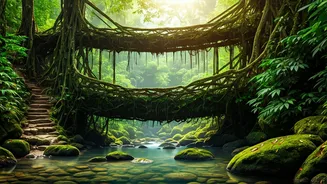


A Bridge Grown, Not Built
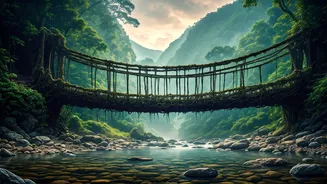
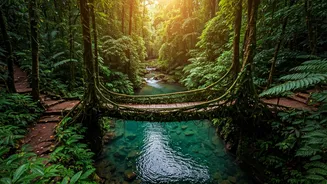
The main draw captivating travelers isn't made of stone or steel, but of living, breathing tree roots. For centuries, the indigenous Khasi and Jaintia peoples of Meghalaya have guided the aerial roots of the Ficus elastica (rubber fig tree) across rivers
and ravines. Using hollowed-out bamboo or betel nut trunks as conduits, they painstakingly train the roots to grow in a specific direction. Over 15 to 30 years, these roots intertwine and strengthen, forming a durable, living bridge capable of supporting the weight of dozens of people. Some of these bio-engineered marvels are over a century old and only grow stronger with time. The most famous example, the 'Jingkieng Nongriat' or Double Decker Root Bridge, is a stunning two-tiered structure that looks like something straight out of a fantasy epic. This is not just architecture; it's a profound partnership between humans and nature, a sustainable tradition that’s now a UNESCO World Heritage tentative site.
Exploring the Underworld
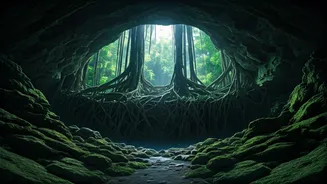
While the headline's 'living cave systems' might be a conflation, the region is equally famous for its spectacular actual caves. Meghalaya is home to some of the longest and most complex cave systems in all of Asia. For visitors, this translates into an entirely different kind of adventure. The most accessible is Mawsmai Cave, a well-lit cavern filled with impressive stalactites and stalagmites. It offers a safe, fascinating glimpse into the subterranean world, perfect for casual tourists. For the more adventurous backpacker, however, the real thrill lies in the area’s wilder caves. Caving expeditions, or 'spelunking,' take you deep into unlit passages, requiring you to wade through underground streams and scramble over rocks with only a headlamp to guide you. It’s a raw, challenging experience that complements the serene beauty of the root bridges, offering a journey to the center of the Earth after you’ve walked on air.
The Backpacker's Perfect Storm
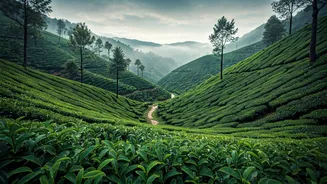
So why is Cherrapunji (now officially known as Sohra) suddenly surging in popularity among backpackers? It represents a perfect storm of what modern adventurous travelers seek. First, authenticity. This isn’t a manufactured tourist trap; it’s a living cultural landscape. The treks to the bridges are challenging, often involving thousands of steep steps, which filters out passive tourists and rewards those willing to put in the effort. Second, it's incredibly photogenic. The combination of lush greenery, misty skies, and otherworldly structures is an Instagram dream. Finally, it’s still relatively affordable. Compared to established spots in Southeast Asia or Europe, Meghalaya offers incredible value, allowing travelers to have a world-class adventure without a massive budget. This blend of physical challenge, cultural immersion, and off-the-beaten-path discovery is exactly what backpackers crave, moving it from a niche secret to a bucket-list essential.
Know Before You Go
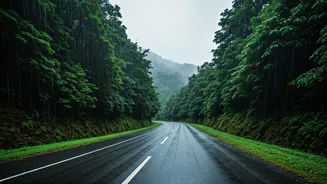
A trip to see the living root bridges requires some planning. The journey itself is part of the adventure. The nearest major airport is in Guwahati, Assam, about a 4-5 hour drive from Sohra. From there, you can hire a taxi or take a shared sumo (a type of SUV). The best time to visit is between October and May, outside the intense monsoon season, though the region is famously one of the wettest places on Earth, so always be prepared for rain. The trek to the Double Decker bridge is not for the faint of heart—it involves descending and ascending over 3,500 steps. Wear sturdy, comfortable shoes with good grip. Respect for the environment and the local culture is paramount. These bridges are sacred and vital to the communities that maintain them. Do not leave trash, stay on the paths, and always be a mindful visitor. Hiring a local guide is highly recommended; they can provide invaluable context and ensure your safety on the trails.