




Understanding Pesticides in Your Food
First, let’s be clear: pesticides have played a major role in creating the abundant food system we have today. They help farmers protect crops from insects, weeds, and diseases, increasing yields and keeping prices down. In the U.S., the Environmental
Protection Agency (EPA) sets legal limits for pesticide residues on food, deemed safe for consumption. However, debate continues around the potential long-term health effects of low-level, cumulative exposure over a lifetime. Some studies have suggested links between chronic pesticide exposure and various health concerns, though direct causation is often difficult to prove. For many health-conscious consumers, the goal isn't to live in fear, but to minimize unnecessary chemical intake wherever possible. The good news is that you don't need a degree in toxicology to do this—just a smarter shopping strategy.
The 'Dirty Dozen': Prioritize Organic Here
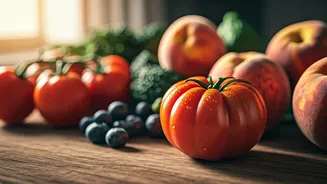
Going 100% organic can be expensive and isn't always necessary. A more targeted approach is to use the 'Dirty Dozen' list, an annual guide from the Environmental Working Group (EWG). This list identifies the 12 non-organic fruits and vegetables with the highest tested pesticide residues. Items on this list typically have thin, edible skins or a structure that absorbs more pesticides. By prioritizing buying the organic versions of these specific items, you can significantly lower your pesticide exposure without overhauling your entire grocery budget. The 2023 list includes popular items like strawberries, spinach, kale, peaches, pears, and bell peppers. Think of it as a strategic investment in your health—you're spending a little extra where it counts the most.
The 'Clean Fifteen': Where to Save Money
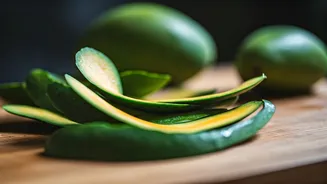
Just as important as the 'Dirty Dozen' is its counterpart: the 'Clean Fifteen.' This list highlights the 15 produce items least likely to have pesticide residues. These fruits and vegetables often have thick, inedible peels or outer layers that protect the edible parts from contamination. The 2023 'Clean Fifteen' includes avocados, sweet corn, pineapple, onions, and cantaloupe. When you see these items in the conventional produce section, you can feel confident buying them. Knowing which items are on the 'Clean Fifteen' allows you to save money and allocates your organic budget toward the 'Dirty Dozen,' making a low-pesticide diet more accessible and sustainable in the long run. It's the ultimate 'work smarter, not harder' approach to grocery shopping.
Simple Steps Beyond the Shopping Cart
Your efforts don't have to stop at the store. Once you get your produce home, a few simple habits can further reduce your exposure to surface residues. The most important step is to wash all fruits and vegetables thoroughly under running water, even if you plan to peel them. Why? Because a knife can transfer pesticides from the skin to the flesh as you cut. For firm produce like apples or potatoes, using a vegetable brush can be even more effective. Peeling produce like carrots, potatoes, and apples will also remove a significant amount of surface residue, though you might lose some fiber and nutrients found in the skin. Finally, remember that 'pesticide-free' doesn't just mean 'organic.' Local farms, even if not certified organic, often use minimal or no pesticides, so a trip to the farmers market can be a great way to find fresh, clean produce while supporting your community.