

More Than Just an Instagram Post
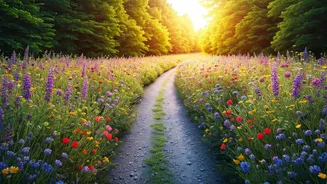
At first glance, the trend seems tailor-made for social media. Fields of vibrant tulips, rolling hills blanketed in golden poppies, and fragrant lavender farms provide the perfect backdrop for a viral TikTok or a carefully curated photo dump. And while
the aesthetic appeal is undeniable, dismissing this as a purely digital phenomenon misses the bigger picture. For many Gen Z and Millennial travelers, the appeal of flower tourism runs much deeper. It represents a conscious shift away from the hectic, consumption-driven itineraries of the past. Instead of collecting souvenirs, they're collecting moments of tranquility and connection with the natural world. In an era of digital burnout and climate anxiety, a trip centered on the simple, cyclical beauty of a bloom offers a powerful antidote. It’s an experience that feels both fleeting and timeless, grounding visitors in a specific season and place.
The Search for Authentic Experiences
This trend also taps into a broader demand for authenticity and sustainability in travel. Unlike heavily commercialized tourist traps, many flower trails are located in rural areas, supporting local agriculture and small communities. Visiting a tulip festival in Washington's Skagit Valley or a lavender farm in Oregon means engaging with agritourism directly. Travelers can meet the growers, learn about the harvest, and buy products made just steps from where the flowers grew. This desire for a tangible connection is a hallmark of modern travel. It’s not enough to see a landmark; younger travelers want to understand its context and feel its impact. A field of flowers isn’t just a pretty sight—it’s the result of a farmer’s hard work, a delicate ecosystem, and a specific moment in the calendar, making the experience feel earned and real.
California's Superbloom Spectacle
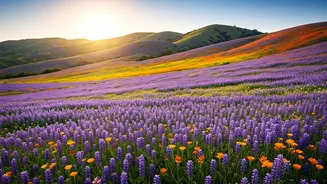
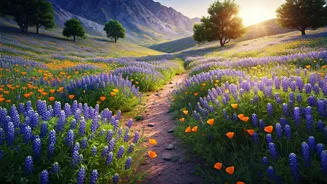
Perhaps the most famous—and elusive—floral pilgrimage is the quest for a California 'superbloom.' This rare phenomenon, which occurs after a particularly wet winter, sees desert landscapes like Anza-Borrego Desert State Park and the Antelope Valley California Poppy Reserve explode in a riot of color. Predicting a superbloom is notoriously difficult, which only adds to its mythic status. For travelers, it's a treasure hunt. Success means witnessing a breathtaking, once-in-a-decade spectacle of desert golds, sand verbena, and lupine. The chase itself becomes part of the adventure, requiring flexibility, patience, and a bit of luck—qualities that turn a simple trip into an unforgettable story.
The Texas Bluebonnet Right of Passage
Every spring, a sea of deep blue washes over the Texas Hill Country. The blooming of the bluebonnet, the state flower, is a cultural institution. For generations, Texans have made annual pilgrimages to places like the 'Bluebonnet Trail' in Ennis to take family photos among the flowers. Now, this regional tradition is drawing a national audience. Driven by social media and a growing appreciation for American road trips, travelers are charting courses along scenic drives outside Austin and Dallas. It’s a perfect example of a local ritual becoming a national travel trend, offering a slice of Americana that feels both nostalgic and refreshingly new.
Washington's Rows of Rainbow Tulips
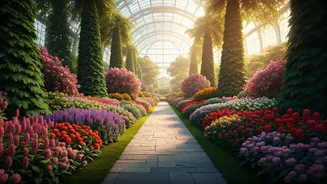
The Skagit Valley Tulip Festival, about an hour north of Seattle, feels like a slice of the Netherlands transplanted to the Pacific Northwest. Every April, millions of tulips burst into bloom, creating impossibly neat, vibrant rows of red, yellow, and purple that stretch to the horizon. It’s a more organized and accessible experience than a wild superbloom, with established farms like RoozenGaarde and Tulip Town offering tickets and hosting events. For young travelers, it's a low-stress, high-reward day trip that delivers sensory overload in the best way possible. The sheer scale and order of the fields offer a different kind of beauty—one that’s cultivated, celebrated, and designed for pure visual delight.
Oregon's Fragrant Lavender Fields
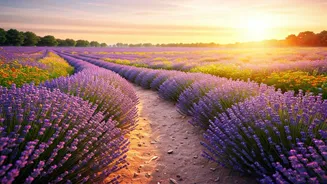
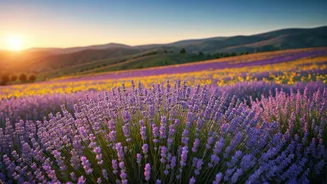
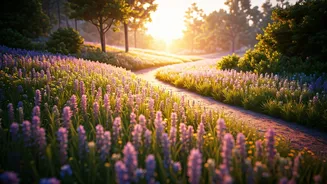
If tulips are about visual impact, Oregon's lavender trails are a full sensory experience. From late June through August, farms in areas like the Willamette Valley and the Hood River Valley become fragrant havens of purple. This trend aligns perfectly with the wellness movement, as lavender is widely associated with calm and relaxation. Visitors can do more than just see the flowers; they can walk through the aromatic rows, participate in U-pick harvests, and enjoy lavender-infused products, from ice cream to essential oils. It’s a trip that promises not just a pretty picture, but a genuine feeling of peace and well-being.