



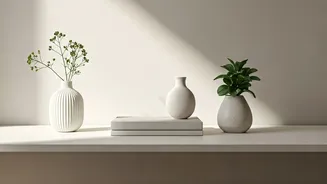


The End of the Green Era?
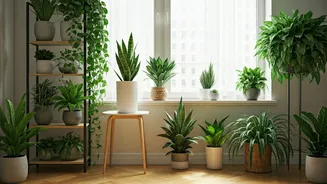
Let’s be clear: the classic green houseplant isn’t going anywhere. Your fiddle-leaf fig and monstera deliciosa are safe. But the era where they reigned supreme as the sole arbiters of chic indoor nature is fading. For the better part of a decade, the aspirational
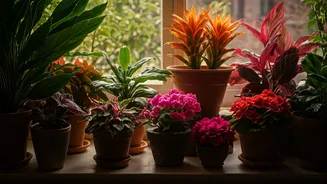
home on Instagram or Pinterest was defined by a specific look: minimalist, neutral, and punctuated by deep green foliage. It was calming, clean, and a little bit sterile. Now, a more-is-more attitude is taking root. The “bright garden” trend is a direct and cheerful response to that aesthetic. It’s less about creating a serene spa and more about curating a space that feels personal, energetic, and unapologetically alive. Think of it as the horticultural equivalent of dopamine dressing—using bold splashes of color to boost the mood of a room and the people in it.
Why We're Craving Color
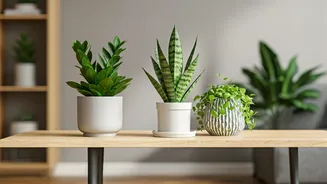
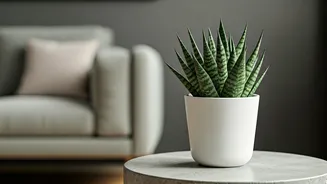
This shift isn’t happening in a vacuum. After years of collective stress and a cultural turn toward maximalism in fashion and design, our homes are following suit. We’re craving warmth, texture, and expressions of individuality. A plant with hot pink splotches or electric yellow veins is a conversation starter. It has a personality that a standard snake plant, however hardy, simply can’t match.
These bright plants act as living art. A single Stromanthe Triostar, with its painterly strokes of pink, cream, and green, can provide the same visual impact as a framed print. In a world of cookie-cutter decor, a collection of vibrant, unusual plants is a powerful way to make a space uniquely your own without undertaking a major renovation.
Easy Stars to Start Your Bright Garden
Ready to add some color? The good news is that you don’t have to be a master botanist. Many of the most popular bright plants are surprisingly accessible.
Croton (Codiaeum variegatum): Often called the “drama queen” of the plant world for its tendency to drop leaves when moved, the Croton is worth the effort. Its stiff leaves come in a wild array of yellow, orange, red, and even black. Give it very bright, consistent light to keep its colors blazing.
Stromanthe Triostar: This member of the prayer plant family is a showstopper. Its long, elegant leaves are variegated with splashes of pink, white, and green, with a stunning magenta underside. It loves humidity and indirect light, making it perfect for a bright bathroom.
Coleus (Plectranthus scutellarioides): Traditionally an outdoor bedding plant, new cultivars are perfectly happy indoors. With varieties in every color from neon lime to deep burgundy, often with intricate patterns, Coleus is an affordable way to experiment with color. They are fast-growers and easy to propagate, but they do need consistent moisture.
Styling Your Spectrum
A bright garden isn't just about the plants; it's about the composition. To maximize the effect, think like a designer. Group plants with complementary or contrasting colors together to create a high-impact vignette. A purple-leafed Oxalis next to a lime-green Pothos creates a dynamic pairing.
Don't forget the pots. This trend gives you permission to move beyond basic terra cotta. A vibrant plant can be grounded by a simple, neutral pot, or its energy can be amplified by a container in a bold, clashing color. A pink-spotted Aglaonema in a cobalt blue pot? Absolutely. The goal is joyful expression, not rigid rules.
Keeping the Hues Happy
One important thing to remember: in the plant world, color often requires energy, and energy comes from light. Many of the most brilliantly colored plants developed their hues to manage intense sun in their native tropical habitats. As a general rule, most variegated and colorful plants will need more light than their all-green counterparts to maintain their vibrancy. If a pink-splashed plant starts reverting to green, it's likely a sign it's not getting enough sun.
They can also be more sensitive to watering. Check the specific needs of each plant, but avoid both swampy soil and bone-dry conditions. Consistent care is the key to preventing the crisping edges and faded colors that can plague these beautiful specimens.