
From Shakers to Saucepans
For years, the wellness industry sold a specific vision of strength: neon-colored drinks, scientifically calibrated scoops, and a promise of peak performance for a premium price. Protein powder became the default shorthand for a fitness-focused diet.
But for a generation grappling with economic pressures and a healthy skepticism of marketing, the spell is breaking. Many in Gen Z are looking at a $50 tub of whey or pea isolate and asking a simple question: Is there a better, cheaper way? This isn't just about saving money. It’s also a reaction against the often-intimidating, hyper-masculine culture surrounding supplements and the endless cycle of 'clean eating' that can feel restrictive and joyless. Instead, they’re turning to whole foods that feel more transparent, sustainable, and grounded. The search has led them to the pantry, not the pharmacy—specifically, to the section stocked with the building blocks of global cuisine.
The Power of the Pulse
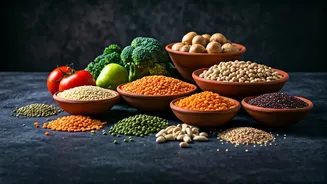
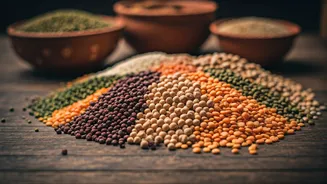
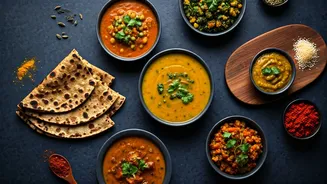
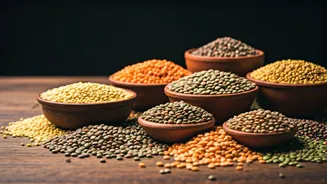
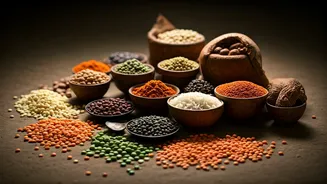
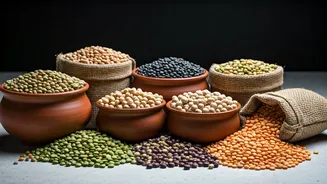
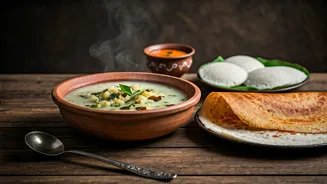
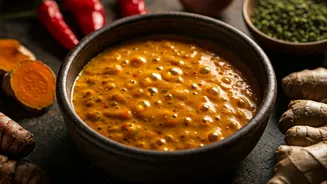
So, what exactly are these 'ancient pulses'? The term refers to the edible seeds of plants in the legume family. You know them better as lentils, chickpeas, dried beans, and split peas. In Indian cuisine, they are the foundation of countless dishes, most notably 'dal,' a comforting and nourishing lentil stew that is a staple in millions of households. These aren't new 'superfoods' discovered by a wellness influencer; they are foundational ingredients that have sustained civilizations for millennia.
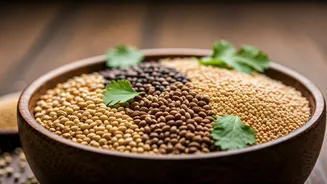
For the uninitiated, the variety is staggering. There are earthy brown lentils (masoor dal), creamy yellow split peas (chana dal), and robust chickpeas (kabuli chana), each with a unique texture and flavor profile. Their appeal lies in their versatility. They can be simmered into soups and stews, mashed into dips like hummus, crisped up for salads, or ground into flour for savory pancakes. This culinary flexibility makes them an exciting playground for home cooks, a far cry from the monotonous routine of chugging the same vanilla-flavored shake every day.
A Nutritional Showdown
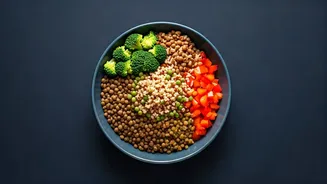
But can a bowl of lentils really replace a scoop of protein powder? Let's look at the numbers. A single scoop of whey protein powder typically offers around 25 grams of protein. A cup of cooked lentils, by comparison, contains about 18 grams of protein. While the powder wins on a pure gram-for-gram basis, that’s not the whole story.
Those lentils also deliver 15 grams of fiber—something protein powder has virtually none of. Fiber is crucial for gut health, stable blood sugar, and feeling full. Pulses are also packed with essential micronutrients like iron, folate, and magnesium. Furthermore, the cost difference is dramatic. A pound of dry lentils can cost less than a single serving of a pre-made protein shake, and it yields multiple meals. The trade-off is simple: a slightly lower protein count for a massive boost in fiber, nutrients, and affordability. For many, it's a deal that makes perfect sense.
A Taste of Authenticity
This shift is also deeply cultural. Gen Z is arguably the most globally connected generation, with platforms like TikTok serving as a window into kitchens around the world. They aren't just seeing recipes; they're seeing the stories, traditions, and joy associated with food. Cooking dal isn't just a 'meal prep hack'; it's a way to participate in a rich culinary tradition. It feels authentic in a way that a lab-formulated powder never can.
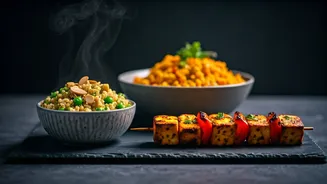
This desire for authenticity aligns with a broader pushback against a one-size-fits-all, often Western-centric, view of health. By embracing pulses, young Americans are implicitly acknowledging that a healthy, high-protein diet doesn't have to look like a bodybuilder's shopping list. It can look like a fragrant bowl of Indian dal, a hearty Mexican bean chili, or a vibrant Mediterranean hummus platter. It's a more inclusive, delicious, and realistic vision of what it means to eat well.