
The New VIPs of the Pantry
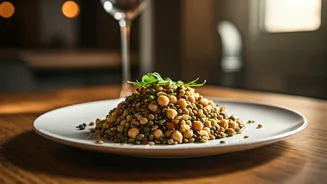
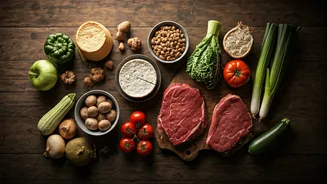
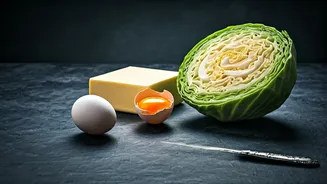
Take a look at the hottest menus in major cities, and you’ll notice something surprising. Wedged between the dry-aged ribeyes and wild-caught sea bass are dishes celebrating… cabbage. Or the humble bean. Or a single, perfect egg. We're not talking about
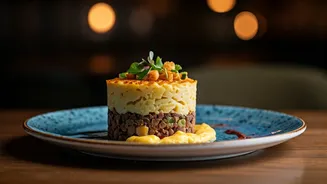
garnishes; these ingredients are the main event. Restaurants are offering elaborate “bread and butter” courses where cultured, house-churned butter is presented like a fine cheese. Tinned fish, once a dusty pantry afterthought, is now served on curated platters in trendy wine bars. Chefs are fire-roasting whole heads of cabbage and serving them with rich sauces, transforming the watery staple into a smoky, deeply savory centerpiece. From artisanal potatoes to heirloom beans, the message is clear: the most unassuming items in the kitchen are having a major moment.
The Economics of Elegance
So, why are chefs suddenly obsessed with the ordinary? The simplest answer is the most practical: economics. The last few years have been brutal for the restaurant industry. Skyrocketing inflation has driven up the cost of premium ingredients like high-end meat, seafood, and imported goods. To keep menu prices from scaring off diners entirely, savvy chefs are turning to less expensive, more stable products. A head of cabbage or a bag of beans offers a much healthier profit margin than a filet of halibut. This isn’t about cutting corners; it’s a strategic pivot. By lavishing attention and technique on a cheaper ingredient, a restaurant can deliver a “wow” experience that feels luxurious and special without breaking the bank for either the business or the customer. It's a masterclass in resourceful, recession-era creativity.
A Masterclass in Technique
While economics provides the push, creative ambition provides the pull. For a talented chef, there's a unique challenge—and a certain flex—in making a potato the most memorable part of a meal. Anyone can make a lobster tail taste good. It takes true skill, technique, and imagination to elevate a common vegetable or a simple pantry item into something transcendent. This trend is a quiet rebellion against the idea that luxury must equal rarity. Instead, it argues that luxury is found in craft. It’s about the perfect confit, the most delicate custard, the slow-fermented bread that took three days to make. By focusing on these fundamentals, chefs are not just showing off their technical prowess; they’re getting back to the very essence of what makes food great: flavor, texture, and transformation.
Craving Comfort and Simplicity
This shift isn't happening in a vacuum. Diners are embracing it, too. In a world that often feels overwhelmingly complex and uncertain, there's a powerful psychological pull toward the familiar. A perfectly cooked egg, a warm piece of bread with salty butter, or a hearty bowl of beans can feel more satisfying and deeply comforting than the most intricate, multi-component dish. These are the flavors of childhood, of home, of simplicity. When a chef takes these nostalgic elements and executes them flawlessly, it creates a unique kind of magic. It’s both familiar and surprising, simple and sophisticated. It satisfies a craving not just for good food, but for a sense of grounding and care. We’re not just paying for the ingredient; we're paying for the feeling of being looked after with something honest and delicious.