
Meet the Humble Powerhouse
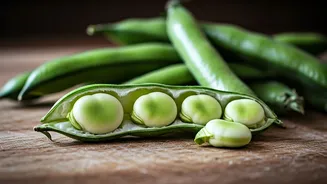
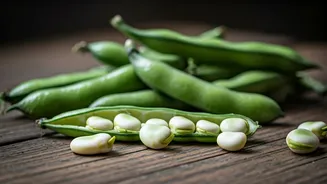
Also known as broad beans, fava beans are one of the oldest cultivated plants in human history, with roots stretching back thousands of years in the Mediterranean and Middle East. These large, flat, kidney-shaped beans grow in long, tough pods that look
a bit like giant, lumpy green beans. While they might not have the trendiness of chickpeas or the convenience of canned black beans, their unique, slightly sweet, and nutty flavor, combined with a creamy texture, makes them a culinary delight. They're a staple in cuisines from Italy to Egypt for a reason. Once you get past their intimidating pod, you'll find a vegetable that’s as delicious as it is nourishing.
A True Nutritional Heavyweight
The term “superfood” gets thrown around a lot, but fava beans have the stats to back it up. A single cup of cooked fava beans provides a staggering amount of nutrients. They’re an incredible plant-based source of protein and fiber, a combination that promotes satiety, keeping you feeling full and satisfied longer while supporting digestive health. This makes them an excellent addition to any meal for anyone looking to manage weight or build lean muscle. But their benefits go far beyond the basics.
Packed with Essential Vitamins and Minerals
Fava beans are particularly celebrated for their high folate content. Folate (or Vitamin B9) is crucial for creating new cells, which is why it's especially important for pregnant women to support healthy fetal development. But it's also vital for everyone, aiding in energy production and brain function. Beyond folate, fava beans are loaded with manganese, a mineral essential for bone health and metabolism, as well as copper, phosphorus, iron, and magnesium. This impressive mineral profile can help boost immunity, improve energy levels by fighting anemia, and support overall vitality.
The Prep: It’s a Two-Step, But Worth It
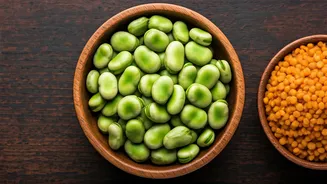
Let’s be honest: fava beans require a little work. This is likely why they remain a “sleeper” hit. First, you have to “shell” them by removing the beans from their large, puffy pods. But that’s only step one. Each individual bean is covered in a thick, whitish skin that needs to be removed before eating. The easiest way to do this is to blanch the shelled beans in boiling water for about 30 seconds, then shock them in an ice bath. After that, the skin will slip right off. This process, called “double-podding,” reveals the tender, bright green bean within. It might seem like a chore, but it’s a simple, almost meditative kitchen task that yields a truly superior ingredient.
A Crucial Health Warning
For all their benefits, fava beans come with a very important caution. A small percentage of the population, primarily people of Mediterranean or African descent, has a genetic condition called Glucose-6-phosphate dehydrogenase (G6PD) deficiency. For these individuals, consuming fava beans can trigger a severe and dangerous reaction called favism, which causes red blood cells to break down rapidly. This can lead to acute anemia, jaundice, and requires immediate medical attention. If you have a family history of G6PD deficiency or are unsure of your status, it is critical to consult a doctor before trying fava beans.
Simple Ways to Enjoy Them
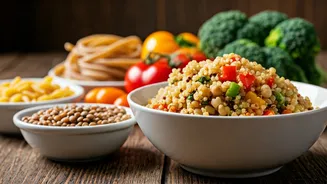
Once you’ve prepped your beautiful beans, the fun begins. Their creamy texture and fresh flavor make them incredibly versatile. For a classic Italian approach, simply toss them with a little olive oil, salt, lemon zest, and fresh mint. You can also smash them with garlic and olive oil to make a vibrant spread for toast, similar to avocado toast. They are a fantastic addition to pasta dishes, risotto, and spring salads, where they add a pop of color and a substantial protein boost. Sautéed with a bit of onion and bacon or pancetta, they become a savory side dish that can steal the show.