





The Modern Fitness Paradox
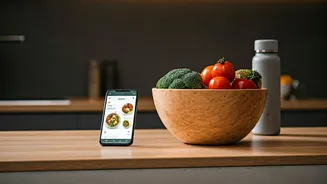
You know the drill. You download a new fitness app, determined to get your health on track. It tells you to eat precisely 1,800 calories, with a macro split of 40% carbs, 30% protein, and 30% fat. The problem? The app’s meal suggestions are a sea of grilled
chicken breast, quinoa salads, and steamed broccoli—foods that are nutritious but can feel culturally and emotionally disconnected from what you actually want to eat. For many in the Indian diaspora and in urban India, this creates a frustrating disconnect. You’re trying to follow the data-driven advice of modern technology, but it often comes at the cost of sacrificing the flavors and comfort of your heritage. This is the modern wellness paradox: the tools for optimization are global, but the desire for satisfying, soulful food is deeply personal and cultural. Do you meal-prep another bland container of diet-friendly fare, or do you find a better way?
Enter the Tiffin: More Than a Lunchbox
For those unfamiliar, a tiffin is not just a lunchbox. It’s a cultural institution. Traditionally, it's a stackable, cylindrical metal container used to carry a multi-course, home-cooked meal. In cities like Mumbai, an intricate network of couriers, known as *dabbawalas*, has been delivering hot tiffins from homes to offices with near-perfect accuracy for over a century. The tiffin represents more than just convenience; it symbolizes the nutritional and emotional value of *ghar ka khana*—food from home. It’s a meal prepared with care, rooted in family recipes and balanced according to centuries of culinary wisdom. It’s the antithesis of a hastily purchased, mass-produced sandwich. The very idea of the tiffin is built on nourishment, balance, and tradition.
The Algorithm Meets Tradition
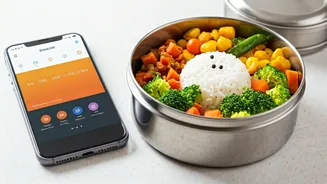
Here’s where the magic happens. A new generation of health-conscious consumers and savvy entrepreneurs are bridging the gap between the app and the tiffin. They’ve realized that the precise data from a training app and the wholesome delivery system of a tiffin are a perfect match. Here’s how it works: You use an app like MyFitnessPal to determine your exact caloric and macronutrient needs. Then, instead of trying to reverse-engineer a bland diet, you subscribe to a modern tiffin service that does the work for you. These new-age tiffin providers create menus that are both healthy and unapologetically Indian. They offer portion-controlled, macro-counted meals featuring dishes like high-protein dal, low-oil sabzi (vegetable stir-fry), and whole-wheat roti. The app provides the “what,” and the tiffin provides the “how”—deliciously and conveniently.
Wellness That Feels Like Home
This fusion is more than a clever life hack; it represents a powerful cultural statement. It’s a rejection of the idea that achieving fitness requires abandoning one’s cultural identity. For decades, Western wellness ideals have implicitly suggested that traditional diets are somehow “unhealthy” or need to be replaced. This trend flips that narrative on its head. By pairing apps with tiffins, people are reclaiming their own food culture as a source of health. They are proving that you don’t need to subsist on kale and smoothies to be fit. A balanced plate of dal, rice, vegetables, and yogurt—the cornerstone of a simple Indian meal—can be just as, if not more, nourishing and sustainable for the body and soul. It’s a way of saying, “My heritage has a place in my modern life,” and it’s a powerful form of self-care that feels authentic rather than punishing.