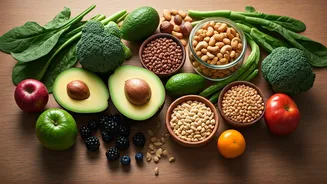







What Exactly Is 'Fibermaxxing'?
Don't be intimidated by the name. 'Fibermaxxing' is simply a popular internet term for a long-standing nutritional goal: consciously and significantly increasing the amount of dietary fiber you eat every day. While trendy wellness products often come
with a high price tag, the principle behind fibermaxxing is rooted in accessible, whole foods. It’s a move away from costly powders and pills and a return to the humble, powerful ingredients found in any grocery aisle. The goal for most adults is to get between 25 and 38 grams of fiber per day, according to U.S. dietary guidelines, yet most Americans only manage about 15 grams. Fibermaxxing is all about closing that gap in a deliberate way.
Why Your Gut Cares About Fiber
While the headline term 'heal' is strong, the benefits of fiber for gut health are well-documented. Think of fiber as the preferred food for the trillions of good bacteria living in your digestive tract, known as your gut microbiome. When these microbes are well-fed, they thrive, helping to maintain a balanced internal ecosystem. There are two main types of dietary fiber: soluble and insoluble. Soluble fiber dissolves in water to form a gel-like substance, which can help regulate blood sugar and lower cholesterol. Insoluble fiber, often called 'roughage,' adds bulk to stool and promotes regularity. A diet rich in both types of fiber supports digestive function, contributes to feelings of fullness, and fosters a healthy environment for your microbiome to flourish.
Legumes: Your Wallet's Best Friend
If you're starting a fibermaxxing journey on a budget, the bean aisle is your first stop. Legumes are nutritional powerhouses, packed with fiber, protein, and essential micronutrients for just pennies per serving. A single cup of cooked black beans contains around 15 grams of fiber—more than half the daily recommendation for many people. Lentils are another champion, offering about 16 grams of fiber per cooked cup. Don't forget about chickpeas, kidney beans, and pinto beans. Buying them dried is the most economical option, but even canned versions are incredibly affordable. Just be sure to rinse canned beans to reduce their sodium content.
Whole Grains: The Humble Powerhouses
Refined grains like white bread and white rice have had their fibrous bran and germ stripped away. To truly boost your intake, focus on their whole-grain counterparts. Rolled oats are a perfect example; a bowl of oatmeal for breakfast is a classic, fiber-rich start to the day. One cup of cooked oatmeal provides about 4 grams of fiber. Swapping white rice for brown rice adds more fiber to your meals, as does choosing whole-wheat bread and pasta. For a more adventurous but still affordable choice, try barley (nearly 6 grams of fiber per cooked cup) or popcorn, which is a whole grain that provides over 3 grams of fiber in a three-cup serving.
Smart Produce Picks That Won't Break the Bank
You don't need exotic super-fruits to get your fiber. Many of the most common and inexpensive vegetables are excellent sources. A medium potato with the skin on has about 4 grams. Carrots, broccoli, and cabbage are also reliable, budget-friendly choices. When it comes to fruit, apples and bananas are consistently affordable and offer 3-4 grams of fiber each. Berries are fantastic, but can be pricey; consider buying them frozen to get more for your money, as they are just as nutritious. Shopping for produce that's in season is another great strategy for keeping costs down while getting a wide variety of nutrients and fiber.
Simple Swaps to Get Started
Increasing your fiber intake doesn't require a radical diet overhaul. Start with small, sustainable changes. Add a scoop of black beans to your salad or scrambled eggs. Choose brown rice instead of white for your next stir-fry. Snack on an apple with peanut butter instead of chips. Sprinkle chia seeds or ground flaxseed (both fiber-dense and relatively inexpensive when bought in bulk) into smoothies, yogurt, or oatmeal. The key is to introduce more fiber gradually and drink plenty of water to help your digestive system adjust.