





The New American Itinerary
For decades, American travel was often about checking boxes: see the monument, snap the photo, buy the souvenir. But a significant shift is underway. The new travel itinerary isn’t about seeing the most famous things, but about feeling the most authentic
ones. This movement, often called hyperlocal tourism, prioritizes depth over breadth. It’s the difference between standing outside a historic building and taking a tour led by a fourth-generation resident who can share its hidden stories. It’s choosing a Saturday afternoon spent exploring a farmers market and chatting with vendors over navigating a crowded outlet mall. This approach redefines 'destination' itself. The goal is no longer just to 'get away,' but to actively engage with the character of a place, whether it’s a city two states over or a neighborhood just across town. Travelers are increasingly acting like curious locals, seeking out the unique textures—the specific flavors, sounds, and stories—that make a community what it is.
Liquid Gold and Local Goods
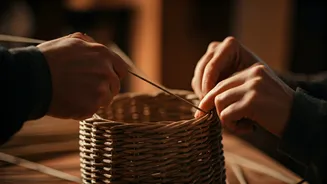
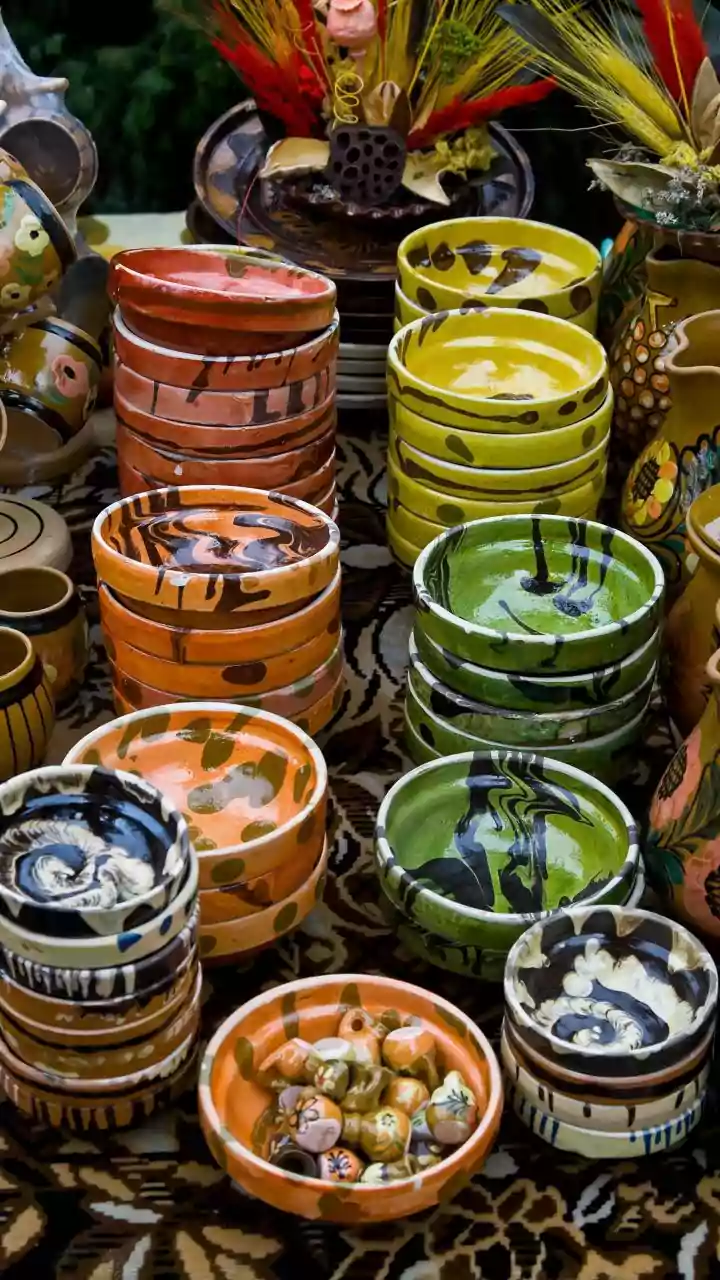
At the heart of this trend is the explosion of the craft economy. The most visible example is the craft brewery. Once a niche hobby, there are now thousands of breweries across the U.S., each serving as a de facto community center. They are places to gather, yes, but also to taste something made with local ingredients and regional pride. A brewery’s tap list can be a liquid story of its town, featuring local fruits, grains, or even yeast strains. This passion for the handmade and the story-driven extends far beyond beer. We see it in the rise of small-batch distilleries, artisan coffee roasters, independent bakeries, and cheesemakers. Consumers are tired of generic, mass-produced goods. They want to know who made their product. They want to support a person, not a faceless supply chain. This desire for transparency and connection means the maker’s story is as valuable as the product itself, turning a simple purchase into a meaningful interaction and a vote for the local economy.
Beyond the Museum Walls
Just as 'craft' has expanded, so has the definition of 'culture.' While traditional museums and galleries remain important, today’s cultural exploration happens just as often on the street. It’s found in the vibrant murals that turn a drab alley into an outdoor gallery, or the thriving live music scene in a tiny, beloved dive bar. It’s in the culinary landscape, where a city’s history and immigrant communities can be tasted through its food trucks and neighborhood restaurants. People are seeking out experiences that are alive and participatory. They’re signing up for cooking classes that teach regional dishes, joining historical walking tours that focus on overlooked social histories, and seeking out festivals that celebrate a town’s unique heritage. This form of cultural engagement is more dynamic and personal. It’s less about observing artifacts behind glass and more about becoming part of the living, breathing story of a place.
A Search for Real Connection
So, why is this happening now? Several forces are converging. For one, it’s a powerful antidote to the digital fatigue and globalized sameness of modern life. In a world of Amazon, Starbucks, and endlessly scrolling feeds, the unique, tangible, and imperfect feels refreshingly real. There’s also a powerful economic and social driver. The 'shop local' movement has gained significant traction, fueled by a desire to keep money within a community and support small business owners who are also neighbors. The pandemic accelerated this trend, forcing many to rediscover their own cities and states, fostering a newfound appreciation for the gems hidden in their own backyards. Ultimately, this movement is about a search for connection—to the products we consume, the places we visit, and the people we meet. It’s a recognition that the most memorable experiences aren’t always the biggest or the most famous, but the ones that feel most genuine.