



The 'Good Enough' Philosophy
The biggest change isn't in our food, but in our mindset. The all-or-nothing approach—where one slice of pizza derails an entire week—is being replaced by a more flexible, sustainable philosophy. Concepts like the '80/20 rule' (eating nutrient-dense foods
80% of the time and indulging 20% of the time) have gone mainstream. This shift acknowledges that real life includes celebrations, busy weeknights, and cravings. Instead of striving for a perfect diet, the new goal is consistency over time. This pragmatic approach reduces the guilt and anxiety often associated with eating, making it easier to stick with healthier habits in the long run because it doesn't demand perfection.
Meal Prep For The Rest of Us
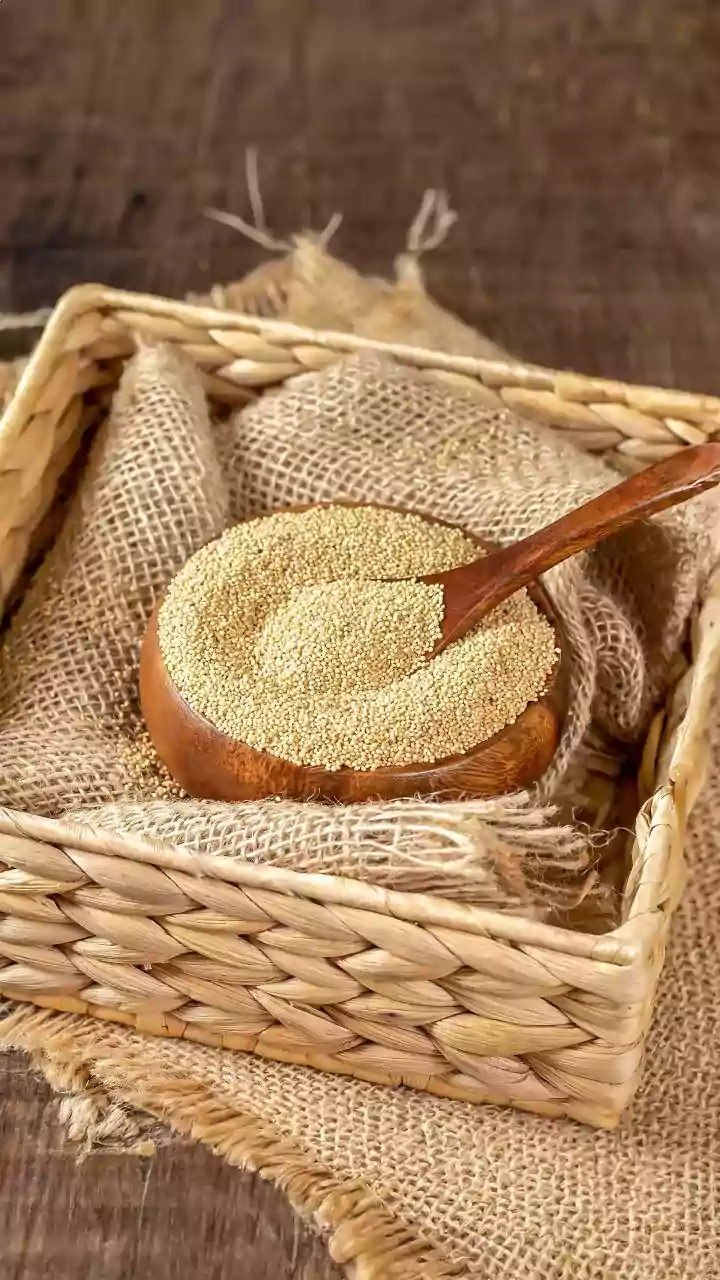
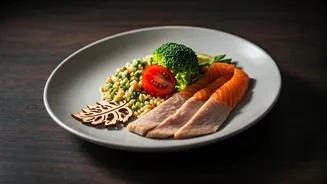
Meal prepping is no longer just for elite athletes and fitness influencers. It has become a cornerstone of practical health for busy professionals and families. The concept is simple: invest a couple of hours on a Sunday to wash, chop, and cook basic components for the week ahead. Think a big batch of quinoa, roasted vegetables, grilled chicken, and a homemade vinaigrette. These 'building blocks' can be mixed and matched for quick lunches and dinners, saving you from the dreaded 'what's for dinner?' panic that often leads to takeout. For those even more pressed for time, a booming industry of local and national meal prep services now delivers ready-to-heat, healthy meals right to your door, offering the convenience of a frozen dinner with far superior nutritional value.
Smarter, Healthier Convenience
The food industry has finally caught on: people want convenience, but they don't want to sacrifice their health for it. The result is a new generation of genuinely healthy convenience foods. The freezer aisle, once a nutritional wasteland, now boasts options like frozen riced cauliflower, spiralized vegetable 'noodles,' and high-protein, low-sugar entrees. Snack bars are no longer just candy bars in disguise; many now feature minimal ingredients, whole foods, and a healthy balance of protein, fat, and fiber. Even pre-made sauces and dressings come in 'cleaner' versions, free from excessive sugar and preservatives. Reading labels is still important, but finding a quick, healthy option on the go is more feasible than ever before.
Technology Is Your Sous-Chef
Your smartphone can be one of the most powerful tools in your healthy eating arsenal. Grocery delivery apps like Instacart and Amazon Fresh eliminate the time-consuming chore of food shopping and can help you avoid impulse buys in the snack aisle. Recipe apps and websites offer endless inspiration tailored to your dietary needs and the ingredients you have on hand. Meal-planning apps can automate your weekly menu and generate a shopping list, removing the mental load of decision-making. By outsourcing the logistics of planning and shopping, technology frees up your time and energy to focus on the enjoyable parts of cooking and eating.
Making Healthy Food More Affordable
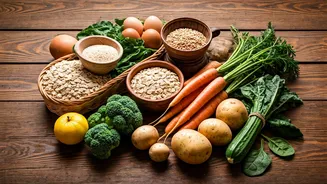
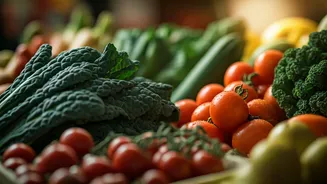
The perception that healthy eating is prohibitively expensive is also starting to crumble. Subscription services like Misfits Market and Imperfect Foods have popularized 'ugly' produce—fruits and vegetables that are perfectly nutritious but cosmetically flawed—and deliver them at a significant discount. This reduces food waste and makes fresh produce more accessible. Furthermore, nutrition experts are increasingly emphasizing the value of budget-friendly staples like frozen fruits and vegetables (which are just as nutritious as fresh), canned beans, lentils, and whole grains. By shifting the focus from expensive, trendy 'superfoods' to affordable, nutrient-dense basics, a healthy diet becomes a more realistic financial possibility for millions of Americans.