





More Than Just Decoration
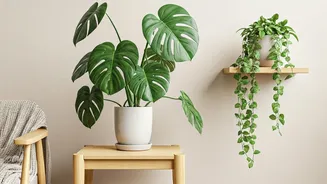
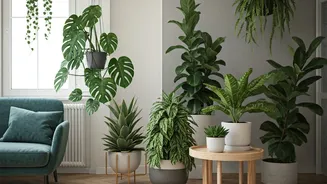
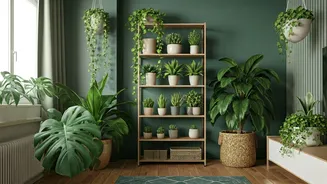
Once a dusty afterthought, the humble houseplant has transformed into a central feature of modern urban living. From the sprawling monstera deliciosa to the resilient snake plant, greenery is climbing its way up the list of apartment must-haves, right
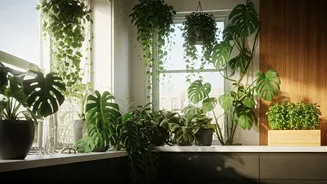
alongside a good Wi-Fi connection. But this is more than a simple design trend. For a generation navigating burnout, eco-anxiety, and the confines of small-space living, plants offer a tangible connection to the natural world. The concept of biophilia—the innate human tendency to seek connections with nature—is at the heart of this movement. In cities where concrete and glass dominate the landscape, bringing the outdoors in serves as a quiet act of rebellion and self-care. It’s a way to cultivate a personal sanctuary, a small, living ecosystem that you control in an often-uncontrollable world. The simple act of watering a plant, of watching a new leaf unfurl, provides a predictable, gentle rhythm that stands in stark contrast to the chaotic pace of urban life.
The Pandemic Plant Boom
While the seeds of this trend were planted years ago, the COVID-19 pandemic acted as a powerful fertilizer. Confined to their homes during lockdowns, millions of Americans, particularly younger city dwellers, sought ways to improve their immediate surroundings and find new hobbies that didn’t involve a screen. Nurseries and online plant shops reported unprecedented surges in sales. Plants became companions, projects, and living sculptures that made sterile home-offices feel more alive. The act of nurturing something offered a sense of purpose and a welcome distraction from the uncertainty raging outside. For many, it was the first time they had the bandwidth to care for something beyond themselves. This period solidified the plant’s role not as a mere object, but as a dynamic part of the home ecosystem—a living, breathing roommate that asks for little more than sunlight and water.
The Rise of the 'Plant Parent'
The green wave has been amplified and codified by social media, which gave rise to a new identity: the “plant parent.” On Instagram and TikTok, hashtags like #plantmom, #plantdad, and #urbanjungle have billions of views, creating a global community of enthusiasts who share tips, celebrate new growth (a.k.a. “new babies”), and commiserate over pest infestations. This digital ecosystem turned a solitary hobby into a shared cultural phenomenon. Being a plant parent has become a low-stakes way for millennials and Gen Z to practice nurturing, a trait often associated with having pets or children but without the same level of cost or commitment. It’s a way to signal responsibility, care, and a connection to wellness. This identity is part performance, part genuine passion, creating a feedback loop where social validation encourages deeper engagement with the hobby, further fueling the industry’s growth.
The Green Learning Curve
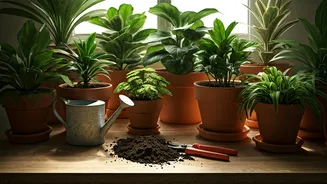
Of course, the reality of the urban jungle isn’t always as pristine as it appears on Instagram. For every thriving fiddle-leaf fig, there’s a forgotten succulent turned to mush or a calathea with crispy, brown edges. The journey into plant parenthood is often fraught with trial and error. The internet is filled with desperate pleas for help: “Why are my leaves yellow?” “What are these tiny white bugs?” Fungus gnats, spider mites, and the cardinal sin of overwatering are common villains in these domestic dramas. Yet, these challenges are part of the appeal. Learning to diagnose a plant’s needs teaches observation, patience, and resilience. Successfully reviving a struggling plant can provide a profound sense of accomplishment. This learning curve demystifies nature and empowers people to take an active role in their environment, fostering a deeper appreciation for the delicate balance required for life to flourish.