




The Push of Unbearable Heat
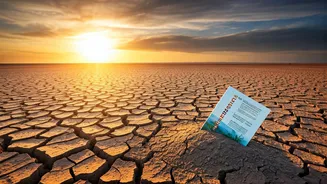
For generations, the rhythm of travel in India was dictated by school holidays, religious festivals like Diwali, and the monsoon season. But a powerful new force is overwriting that playbook: extreme, unrelenting heat. In recent years, northern and central
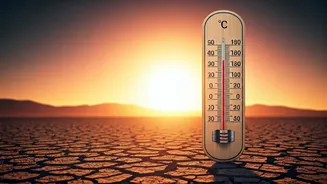
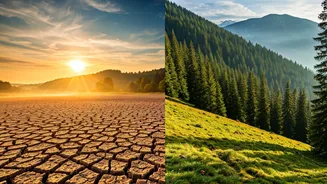
India have been scorched by punishing heatwaves, with temperatures soaring past 110°F (43°C) and sometimes even touching 122°F (50°C) in cities like Delhi and Jaipur. This isn't just uncomfortable; it's dangerous. The oppressive heat makes daily life a struggle, turning concrete jungles into ovens and forcing millions to stay indoors. This grueling reality has become the ultimate 'push' factor, creating a desperate, collective urge to escape—not just for leisure, but for sheer relief.
The Pull of the Cool Highlands
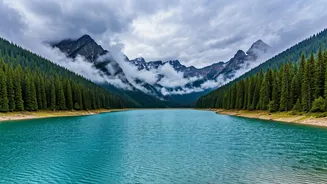
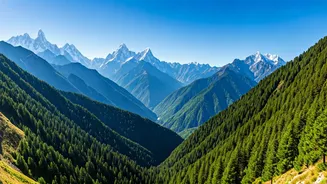
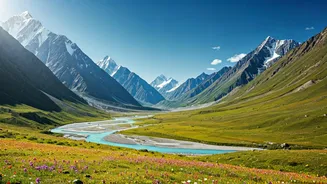
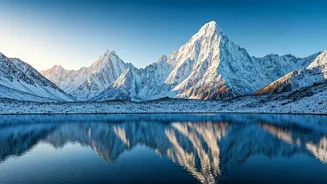
As the plains bake, India's domestic travel map is being redrawn in real-time. The new hotspots are, quite literally, the coolest spots. Millions of travelers are flocking to the Himalayan states of Himachal Pradesh and Uttarakhand, and the cooler climes of Kashmir and Ladakh. Hill stations established by the British as summer retreats, like Shimla, Manali, and Nainital, are experiencing unprecedented surges in tourism. Travel booking platforms report that searches for these destinations can spike by over 40% during a heatwave announcement. It’s a mass migration driven by a simple, universal desire: to find a place where you can breathe cool air, wear a light jacket in the evening, and escape the ever-present drone of air conditioners.
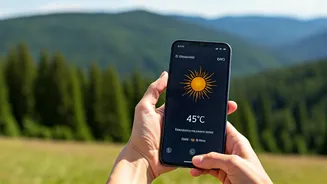
From Holiday Calendar to Weather App
This is the core of the new habit. The decision-making process for a vacation has become far more dynamic and reactive. Instead of booking a summer trip six months in advance, families and groups of friends are now monitoring 10-day forecasts. A predicted heat spike in Delhi directly translates to a surge in last-minute bookings for a cabin in Manali. Social media feeds that once showed off tropical beaches are now filled with Reels of misty mountains and burbling streams, captioned with the current (and refreshingly low) temperature. Online travel agencies have leaned into this, promoting 'cool destination' packages and highlighting temperature differences in their marketing. The weather app on a smartphone has, for many, become a more influential travel agent than the traditional holiday calendar.
A Boom with Consequences
While this temperature-chasing trend provides a vital economic boost to mountain communities, it’s a double-edged sword. The sudden, massive influx of tourists is placing immense strain on the fragile Himalayan ecosystem. The same hill stations that offer respite from the heat are now grappling with hours-long traffic jams on narrow mountain roads, acute water shortages as demand outstrips supply, and mountains of plastic waste left behind by visitors. What was once a manageable flow of summer tourists has become a torrent, overwhelming local infrastructure that was never designed for such volumes. This creates a difficult paradox: the climate-driven escape is inadvertently causing environmental stress in the very places people are fleeing to for their natural beauty and tranquility.