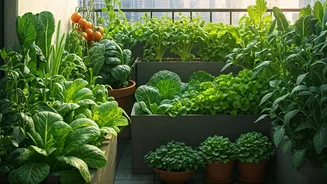



Start With The Right Foundation
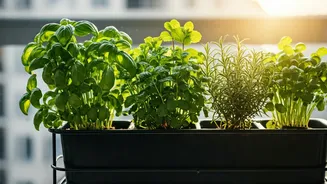
Success begins before you even buy a plant. First, assess your light. Most herbs need at least six hours of direct sunlight per day to thrive. Watch your balcony for a day to see how much sun it gets and where. Next, choose your containers. Anything with
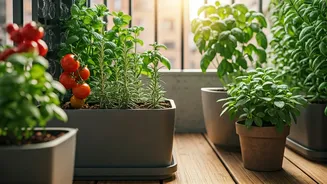
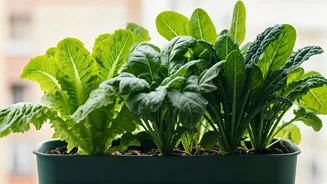
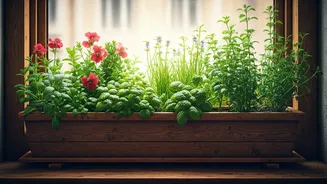
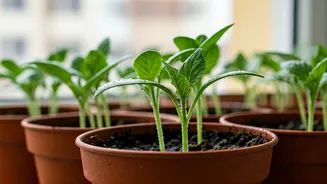
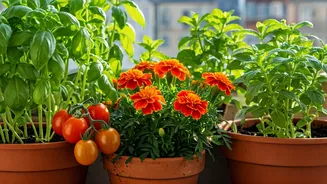
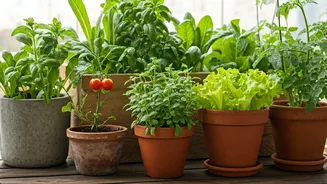
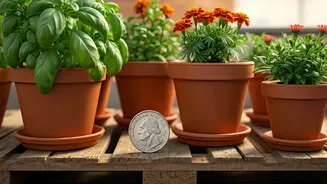
drainage holes will work, from classic terracotta pots to fabric grow bags or railing planters that save floor space. Don't go too small; a pot that's at least 6-8 inches in diameter gives roots room to grow. Finally, skip the garden soil from your parents' backyard. Buy a quality potting mix specifically designed for containers. It's lighter and formulated to provide the right balance of drainage and water retention that balcony plants need.
Choose Your Easiest Wins
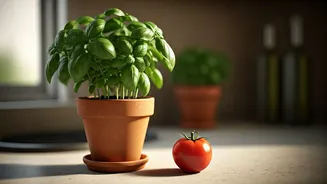
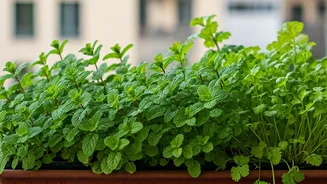
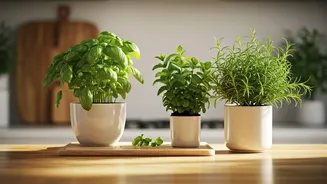
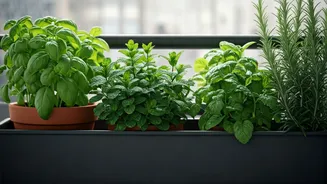
Walking into a nursery can be overwhelming. To guarantee a win, start with the most forgiving herbs. Mint is famously aggressive and nearly impossible to kill (keep it in its own pot, or it will take over everything). Chives are another great choice; they tolerate a range of conditions and will come back year after year. Parsley and oregano are also robust and productive. If you have a sunny spot, basil is a must-have for summer, but it’s more sensitive to cold and inconsistent watering. For shadier balconies, mint and parsley are your best bets. Starting with two or three of these resilient varieties builds confidence and provides a tangible reward almost immediately.
Master The Art Of Watering
The number one killer of container plants is improper watering. It’s a delicate balance. Balcony pots can dry out very quickly, especially on hot, windy days, but overwatering can lead to root rot. Forget a rigid schedule like “water every Tuesday.” Instead, learn to check the soil. The best method is the finger test: stick your index finger about an inch or two into the soil. If it comes out dry, it’s time to water. If it’s damp, wait another day. When you do water, do it thoroughly until you see excess draining from the bottom of the pot. This ensures the entire root ball gets hydrated. A small watering can is a worthwhile investment for avoiding messes and directing water right where it’s needed.
The Culinary Payoff Is Instant
This is where the “win” becomes truly delicious. The difference between store-bought herbs and those snipped fresh from your own plant is night and day. Imagine elevating a simple bowl of pasta with a handful of basil you just picked, or muddling your own mint for a mojito on a warm evening. Fresh chives can transform scrambled eggs or a baked potato. It’s not just about flavor; it’s about a new level of connection to your food. Harvesting regularly also encourages most herbs to grow back bushier and more productive. Just a few well-tended pots can supply you with enough fresh flavor to seriously upgrade your summer cooking, saving you from buying those sad, wilting plastic packs from the grocery store.
It’s More Than Just Plants
Beyond the practical benefits, a balcony garden offers a small but meaningful dose of nature in an urban setting. The simple act of tending to your plants—watering, pruning, checking for new growth—can be a meditative, screen-free ritual. It creates a small sanctuary where you can connect with something alive. A bit of green on a concrete balcony softens the space, making it a more inviting place to enjoy your morning coffee or unwind after work. It’s a hobby that engages the senses: the smell of fresh rosemary, the texture of a fuzzy sage leaf, the sight of new growth. For a minimal investment of time and money, you’re not just growing herbs; you’re cultivating a little corner of calm for yourself.