




The Air Fryer Killed the Fry Basket
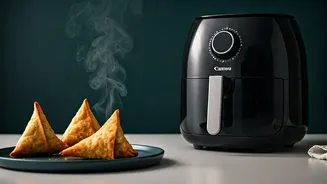
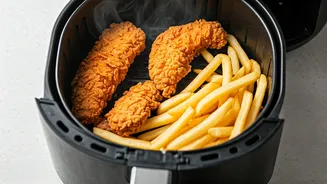
Let’s be clear: Gen Z hasn't sworn off fried chicken or french fries. They’ve just changed the definition of “frying.” The heavy, oil-splattering deep fryer, a staple of previous generations, is being replaced by a much sleeker, healthier-presenting appliance:
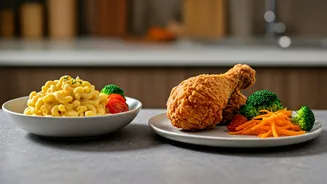
the air fryer. This shift isn't just about avoiding calories or grease; it's about control, convenience, and cleanliness. An air fryer offers the crispy texture Gen Z craves without the mess, lingering smell, or perceived unhealthiness of traditional deep-frying. Food industry reports show that while the generation still consumes fried foods, especially when eating out, their at-home cooking methods lean heavily toward baking, roasting, and, above all, air frying. It delivers “fried” results that feel virtuous, aligning perfectly with a generation that prioritizes wellness but refuses to sacrifice indulgence.
Welcome to the Snack-pocalypse
The real story behind Gen Z’s eating habits is the elevation of snacking from a mere between-meal activity to a primary form of consumption. For many, the rigid structure of three square meals a day feels outdated and impractical. Instead, they graze, opting for multiple smaller, convenient bites throughout the day. Market research firm Circana has called Gen Z the “super snackers,” noting they average nearly five snacks per day—more than any other generation. This isn't just mindless munching. These snacks often serve as meal replacements: a protein bar for breakfast, a bag of gourmet popcorn for a late lunch, or a yogurt bowl for a post-dinner “fourth meal.” This constant snacking pattern is driven by busy, often irregular schedules, the rise of remote work and study, and a desire for immediate gratification.
The New Anatomy of a Pantry
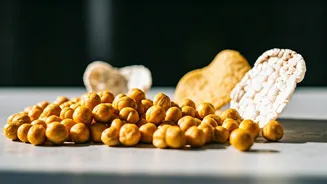
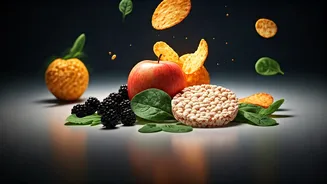
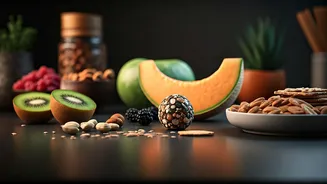
So what are they snacking on? Forget the simple chips and cookies of yesteryear. The Gen Z pantry is a globally-inspired, health-conscious, and highly curated collection. You’re just as likely to find spicy Korean gochujang-flavored almonds and Japanese mochi as you are classic potato chips. There’s a huge appetite for snacks with functional benefits—things packed with protein, fiber, or probiotics. Plant-based options are non-negotiable, and brands that offer transparent sourcing and sustainable packaging get bonus points. According to The Food Institute, this generation is adventurous, with a high willingness to try novel flavors and international foods, often discovered through social media platforms like TikTok. A snack isn’t just fuel; it’s an experience, a statement, and a small, affordable luxury.
Why Convenience and Culture Drive the Cravings
This massive shift toward snacking is rooted in the core values and realities of Gen Z life. First, there's the demand for ultimate convenience. In an on-demand world, food needs to be ready in minutes, portable, and require minimal cleanup—a perfect description of both air-fried foods and pre-packaged snacks. Second, there’s the influence of digital culture. A viral TikTok video featuring a new way to eat ramen or a new trendy snack can create a nationwide craving overnight. Food has become content, and this generation eats with its eyes (and its phone) first. Finally, economic pressures play a role. A collection of affordable snacks can feel more manageable financially than buying ingredients for a full, traditional meal, especially for young adults navigating inflation and student debt. Snacking provides variety and excitement without a big commitment or cost.