



From Kibble to Custom Menus
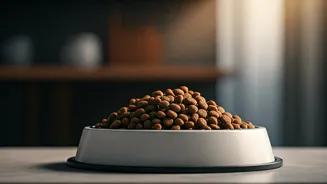
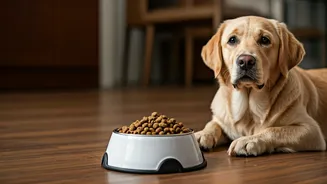
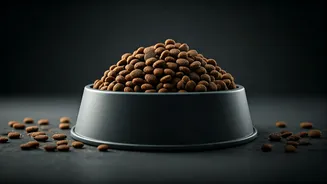
When you picture dog food, you probably imagine dry, brown kibble poured from a giant bag. For decades, that was the standard in India, too—if a dog wasn't eating table scraps. But a dramatic shift is underway. The 'cleaner, smarter meals' entering the Indian
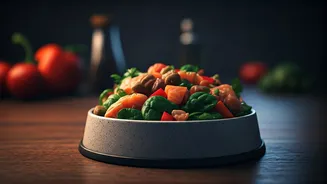
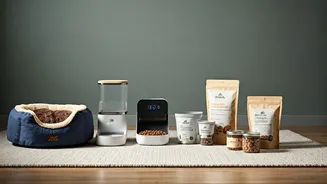
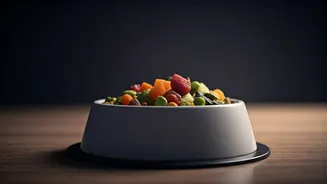
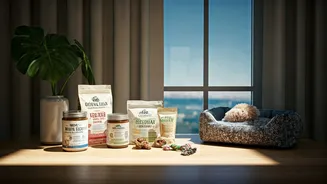
market look a lot like what you’d find in a high-end pet boutique in Los Angeles or New York. We're talking about fresh, human-grade food cooked in small batches and delivered via subscription. Think chicken and brown rice, lamb with vegetables, or fish-based meals tailored to a dog's specific age, breed, and health needs. Startups are offering everything from gently cooked meal plans to dehydrated raw food and single-ingredient 'superfood' treats like yak cheese chews. This isn't just a marginal trend; it's a burgeoning industry fueled by a new generation of pet owners who see their animals as family and are willing to spend accordingly. The focus is on clean labels, transparent sourcing, and health benefits—a vocabulary that, until recently, was reserved for human wellness.
The New Indian 'Pet Parent'
So, what's driving this change? It’s a perfect storm of economic and cultural forces. At the center is India's expanding middle and upper-middle class, with more disposable income than any previous generation. As incomes rise, so does discretionary spending, and for many, that now includes their pets. But money is only part of the story. Urbanization and changing social structures play a huge role. As more young professionals move to cities, live in smaller, nuclear families, and delay marriage or having children, pets are filling a crucial emotional void. They are no longer just guard dogs or backyard animals; they are companions, confidantes, and bona fide family members. This phenomenon, known as 'pet humanization,' is the engine of the premium pet market globally, and it has arrived in India with force. On social media, a new breed of 'pet parent' proudly shares photos of their dog's birthday party or their new, custom-ordered meal plan. This emotional investment directly translates into financial investment in the pet's well-being, starting with what’s in their bowl.
A Digital-First Food Boom
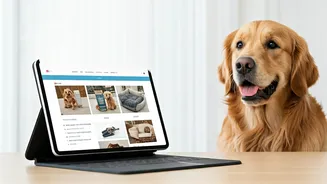
Unlike in the U.S., where the premium pet food market grew through specialty retail stores over decades, India’s boom is happening at digital speed. A wave of direct-to-consumer (D2C) brands are using e-commerce and slick social media marketing to reach pet owners directly, bypassing the traditional retail supply chain. Companies with names like Supertails, Heads Up For Tails, and Dogsee Chew are becoming household names among urban pet owners. They offer online consultations with veterinarians, personalized diet plans, and the convenience of home delivery—a model perfectly suited to India's tech-savvy urban population and its notorious traffic. Venture capitalists have taken notice, pouring millions into a sector they believe is just getting started. The Indian pet care market is projected to grow exponentially, with premium food leading the charge. It's a classic case of a new consumer need meeting modern e-commerce infrastructure, creating a multi-billion dollar opportunity seemingly overnight.
More Than Just a Meal
This trend is especially striking when viewed against the broader context of dogs in India. The country is home to tens of millions of stray dogs, or 'indies,' whose lives are often difficult. The contrast between a street dog surviving on scraps and a pampered pet receiving a curated, grain-free meal is stark. Yet, this new pet-pampering culture is also having some positive spillover effects. The growing love for pets is fostering a stronger animal welfare consciousness in some circles, with many of the same people who buy premium food also supporting stray adoption drives and sterilization programs. The rise of the 'pet parent' is creating a larger conversation about the role and value of animals in society. What's happening in the dog bowls of Mumbai and Bangalore is therefore more than just a niche lifestyle trend. It's a potent symbol of a country in flux—a place where global consumer culture, new wealth, and changing family values are converging to create a reality that would have been unimaginable just a generation ago.