




A Front-Row Seat to Majesty
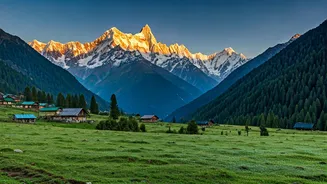
Munsiyari, a small, unassuming town nestled in the Kumaon region of Uttarakhand, India, is often called the “place with snow.” But that simple nickname hardly does it justice. This is not just a place with snow; it is a grand amphitheater, and the main
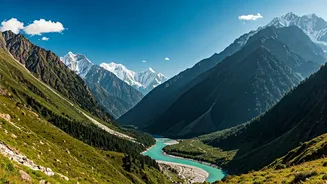
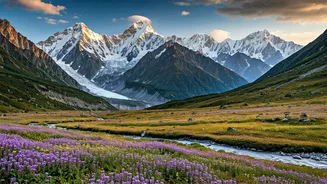
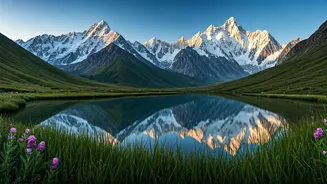
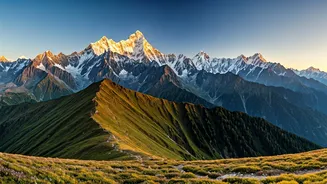
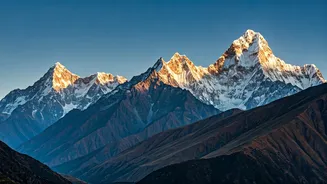
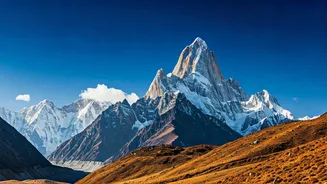
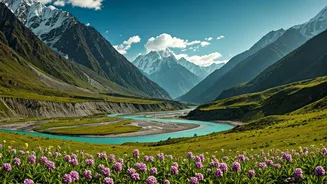
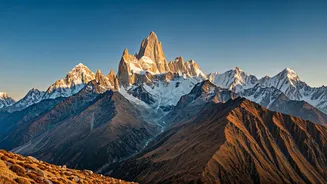
event is the Panchachuli massif. Unlike many Himalayan viewpoints that require arduous treks or offer distant glimpses, Munsiyari provides an intimate, panoramic view right from your window. The five peaks, arranged like a colossal quintet, dominate the skyline, feeling so close you could almost reach out and touch their icy ridges. This proximity is what transforms the experience from a mere mountain viewing into a deeply personal communion with nature. As the day progresses, the peaks play with light, shifting from a fiery gold at sunrise to a stark, brilliant white under the midday sun, and finally settling into a soft, ethereal blue as dusk descends. It’s a constant, silent performance that mesmerizes everyone who witnesses it.
The Legend of the Five Hearths
The name “Panchachuli” translates to “five hearths” or “five chimneys,” a name rooted in one of India’s most revered epic poems, the Mahabharata. According to local legend, these five peaks are the final resting place of the five Pandava brothers. After the great war of Kurukshetra, the Pandavas and their wife, Draupadi, began their final ascent to heaven. It is said that they cooked their last meal on these five peaks before continuing their journey, leaving behind the five “hearths” that now stand as a permanent, sacred monument. This mythological connection infuses the landscape with a profound sense of history and spirituality. You are not just looking at a mountain range; you are gazing upon a physical manifestation of an ancient story, a place where gods and heroes once walked. This cultural depth adds a layer of richness to the visual splendor, making the view more than just beautiful—it becomes meaningful.
Beyond the Breathtaking View
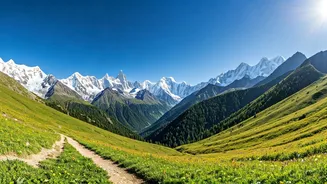
While the Panchachuli peaks are undoubtedly the main attraction, Munsiyari is far from a one-trick pony. For the actively inclined, it serves as the base camp for several stunning treks. The most famous is the trek to Khaliya Top, a vast alpine meadow that offers an even more expansive 360-degree view of the Himalayas, including Panchachuli, Nanda Devi, and Trisul. The journey itself is a delight, winding through dense forests of oak and rhododendron. For those less keen on multi-day treks, there are shorter walks to nearby villages, waterfalls, and the Tribal Heritage Museum, which offers a fascinating glimpse into the unique culture and trading history of the local Johari and Bhotia communities. The region is also a paradise for birdwatchers, with a chance to spot Himalayan monals, thrushes, and finches. Life in Munsiyari moves at a slower, more deliberate pace, inviting you to simply wander, breathe in the crisp mountain air, and absorb the tranquility.
Making the Dream a Reality
Reaching this remote haven is part of the adventure. The journey to Munsiyari, located about 370 miles from Delhi, typically involves an overnight train or flight to a nearby hub like Kathgodam or Pantnagar, followed by a long but scenic drive through winding mountain roads. The drive itself is a spectacular transition from the plains to the high Himalayas, passing through towns like Almora and Binsar. The best times to visit are from March to June and from September to November. The spring and summer months offer clear skies and meadows carpeted with wildflowers, while the autumn months provide the sharpest, clearest views of the snow-capped peaks after the monsoon has washed the atmosphere clean. While the journey requires patience, the reward is a destination that remains refreshingly uncrowded and untouched by the commercialism that has overtaken more accessible hill stations.