

The Corn Cob’s Sweet Secret
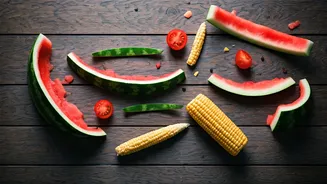
After you’ve shucked and stripped a dozen ears of sweet corn for a family barbecue, you’re left with a pile of naked cobs. Most of us toss them straight into the compost. But inside those woody cobs is a reservoir of sweet, milky flavor that’s a shame
to waste. This is their second life: corn cob stock. Simply place the cobs in a large pot, cover them with water, add a bay leaf and a few peppercorns, and simmer for about an hour. The resulting liquid is a delicately sweet, golden broth that makes a phenomenal base for chowders, soups, or risotto. It adds a layer of pure corn essence that water or even vegetable broth can’t replicate. Some ambitious cooks even reduce this liquid down with sugar and pectin to create a surprisingly delicious corn cob jelly, perfect for slathering on morning toast.
Herb Stems Are Not Just Garnish
We’ve all done it: meticulously plucked the delicate leaves from parsley, cilantro, or basil stems, only to discard the stalks. But those stems are packed with concentrated flavor. For tender-stemmed herbs like cilantro and parsley, you can simply chop them finely and use them right along with the leaves in salsas, tabbouleh, or chimichurri. For tougher stems, like those from basil or mint, the move is to infuse. Toss a handful of basil stems into a bottle of white vinegar or olive oil and let it sit for a week to create a custom-flavored ingredient. Another brilliant use is to blitz them into a 'stem pesto.' Combine herb stems, a handful of nuts (like walnuts or almonds), garlic, olive oil, and a hard cheese. It might not be as vibrant green as a leaf-only pesto, but the flavor is bright, assertive, and perfect for tossing with pasta or spreading on sandwiches.
Tame the Endless Zucchini
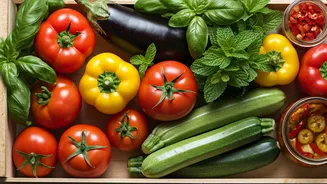
If you have a garden, you know the late-summer feeling of being buried alive in zucchini. After you’ve grilled, roasted, and spiralized your fill, the surplus can feel daunting. Enter zucchini butter. Grate your excess zucchini (no need to peel), squeeze out as much water as possible, and then sauté it slowly in a generous amount of butter or olive oil with garlic and herbs. Cook it down for 20-30 minutes until it becomes a soft, jammy, savory spread. This 'zucchini butter' is incredible on toast, stirred into eggs, or used as a rich base for a pasta sauce. It’s a way to concentrate the flavor and use up a huge amount of the vegetable in a small, delicious package.
From Berry Tops to Sweet Syrup
When you hull strawberries, you create a little pile of leafy tops with a surprising amount of red fruit still attached. Don't throw them away. Instead, collect them in a jar with the pits from cherries or peaches. Cover these 'scraps' with water and a few tablespoons of sugar, then let the mixture simmer on the stove for 20 minutes. Strain it, and you’ll have a beautiful, blush-colored syrup that’s perfect for drizzling over pancakes, stirring into yogurt, or mixing into cocktails and sparkling water. The flavor is a subtle, complex essence of summer fruit. For a different twist, you can pack the strawberry tops into a jar and cover them with white wine vinegar. After a week or two, you’ll have a homemade strawberry-infused vinegar that will elevate any salad dressing.
Watermelon Rinds Find Their Tangy Side
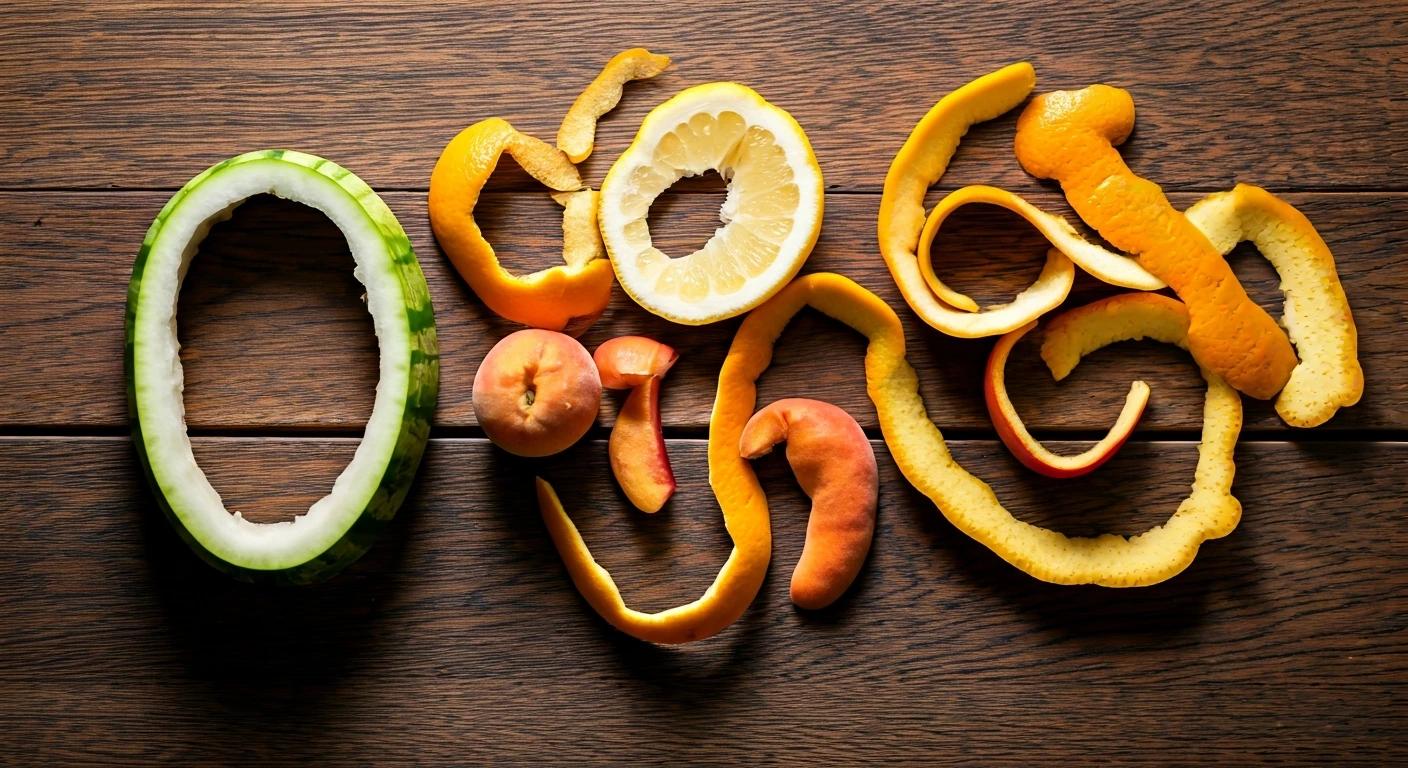
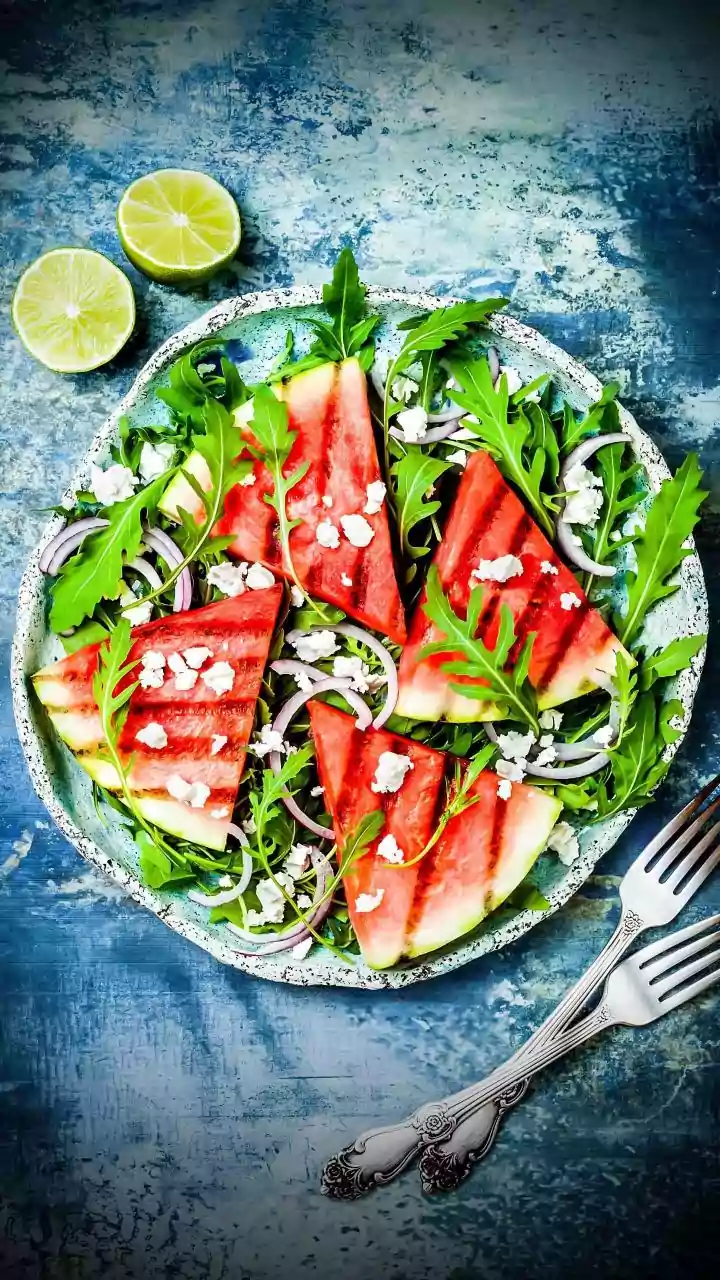
The crisp, white part of a watermelon rind, just below the green skin, is entirely edible and surprisingly versatile. While popular in Southern cooking for generations, pickled watermelon rinds are a revelation to many. Start by peeling off the tough, dark green outer skin, leaving you with the thick white part. Cut this into one-inch cubes. Then, create a simple pickling brine with vinegar (apple cider works well), sugar, water, and spices like cinnamon sticks, cloves, and star anise. Simmer the rinds in the brine until they become tender and translucent. Canned properly, these pickles will last for months, offering a sweet, tangy, and spiced crunch that’s an amazing counterpoint to rich, savory foods like pulled pork or fried chicken. They are a testament to how the most overlooked parts of our produce can become a delicacy.