


The Concept: Chasing the Bloom
The idea is simple yet profound. As the rains of monsoon or wet seasons subside, a new wave of travelers is looking for the "superbloom" effect that follows. Heavy rains saturate the soil, and as the sun returns, dormant seeds spring to life, transforming
entire valleys and plateaus. This isn't a manicured garden tour; it's about witnessing a wild, ephemeral explosion of life that often lasts just a few weeks. It represents a deeper desire for travel that feels regenerative, aligning trips with nature's own dramatic schedule.
India’s Kaas Plateau: The Original
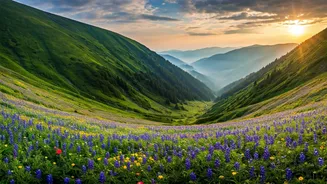
When people talk about post-monsoon floral travel, they are often, knowingly or not, channeling the spirit of the Kaas Plateau in Maharashtra, India. A UNESCO World Natural Heritage site, this volcanic plateau is a barren expanse for most of the year. But from late August to early October, after the monsoon, it undergoes a miraculous transformation. Over 850 different species of flowering plants burst into bloom, creating a tapestry of pink, yellow, and blue. Local authorities regulate tourism to protect the delicate ecosystem, making it a pilgrimage for botanists and nature lovers alike.
The Dzukou Valley: A Himalayan Jewel
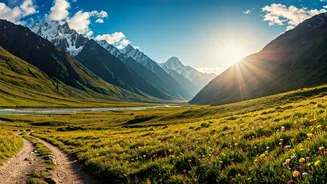
Perched on the border of the Indian states of Nagaland and Manipur, the Dzukou Valley is the stuff of trekking legend. Its post-monsoon season is particularly magical. The rolling green hills, shaped like an egg carton, are punctuated by meandering streams and a wide array of wildflowers that carpet the valley floor in a multi-hued spectacle. The endemic Dzukou Lily is a highlight. Reaching the valley requires a challenging trek, making the reward that much sweeter—an experience that combines physical adventure with the serene beauty of a landscape at peak vibrancy.
America’s Second Spring: The Desert Bloom
You don’t have to fly to Asia to chase the bloom. The American Southwest has its own version, often called the "second spring." After the intense heat of mid-summer, the late summer monsoons can bring much-needed rain to Arizona, New Mexico, and Texas. This precipitation triggers a second, beautiful wildflower bloom. Instead of spring’s poppies, you’ll find resilient autumn species like golden desert marigolds, purple asters, and cheerful sunflowers. Parks like Big Bend National Park are prime spots to witness this surprising autumnal renewal after a good rainy season.
Japan’s Fiery Red Spider Lilies
In Japan, the end of the typhoon season in late September coincides with a floral event that is as dramatic as it is beautiful: the blooming of the higanbana, or red spider lily. These striking flowers, with their bare stalks and explosive crimson blossoms, appear suddenly in vast clusters along riverbanks and fields. Kinchakuda Manjushage Park in Saitama Prefecture, just outside Tokyo, is home to one of the largest colonies, with millions of lilies creating a surreal, fiery red carpet. In local folklore, they are tied to the autumn equinox, adding cultural depth to their visual impact.