









From Silicon Valley of India to Garden City
Bengaluru, the capital of Karnataka state, is India’s answer to Silicon Valley—a sprawling, fast-paced hub of innovation and technology. But with rapid urbanization comes a familiar set of challenges: concrete jungles, strained resources, and a growing
disconnect from food sources. In response, the state’s Horticulture Department launched an ambitious initiative to reclaim the city's old nickname, 'The Garden City,' by looking upward. For years, the government has been running a program that provides significant subsidies to encourage residents to transform their unused rooftops, terraces, and balconies into productive micro-farms. What started with simple soil-based garden kits has evolved to embrace more advanced, high-yield techniques perfect for the urban environment. The goal is simple but profound: empower citizens to grow their own food, enhance green cover, and build a more resilient urban ecosystem, one rooftop at a time.
How the Subsidy Program Works
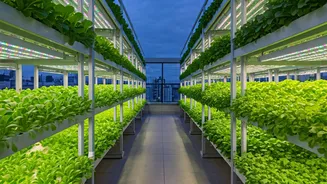
The program’s success lies in its accessibility. The state government, through its Horticulture Department, offers substantial financial support, making urban farming an attainable goal rather than a luxury hobby. Initially, the scheme provided subsidies for basic terrace gardening kits, which included essentials like grow bags, seeds, potting mix, and organic fertilizers. But recognizing the potential for greater efficiency, the program expanded to cover more sophisticated systems. Today, urban families can receive subsidies—often covering up to 50% of the cost—for installing hydroponic and aquaponic setups. These soilless farming methods use nutrient-rich water instead of soil, allowing for faster growth, higher yields, and significantly less water usage, all within a compact footprint. The government doesn’t just hand over money; it provides technical guidance and training workshops, ensuring that even novices can successfully manage their high-tech farms. This holistic support demystifies the process and lowers the barrier to entry for thousands of families across the city.
More Than Just a Salad Bar
For the families participating, the benefits extend far beyond a few fresh vegetables. These rooftop farms produce a consistent, year-round supply of pesticide-free produce, from leafy greens and tomatoes to herbs and exotic vegetables. This directly improves household nutrition and food security, reducing reliance on produce that has traveled hundreds of miles. Many urban farmers grow more than their families can consume, selling the surplus to neighbors or local markets, creating a small but meaningful stream of income. The program has also fostered a new sense of community. Participants share tips, trade seeds, and form local networks, strengthening social bonds in often-anonymous urban settings. Furthermore, these green patches have a measurable environmental impact, helping to mitigate the urban heat island effect, improve air quality, and manage rainwater runoff. It’s a powerful demonstration of how decentralized, small-scale solutions can collectively address large-scale urban problems.
A Blueprint for American Cities?
While Bengaluru may be thousands of miles away, the challenges it faces are mirrored in cities across the United States. Many American urban centers grapple with food deserts, where residents have limited access to fresh, affordable produce. At the same time, there's a growing consumer demand for locally sourced, organic food. Rooftop farming is not a new concept in the U.S., with impressive commercial operations in cities like New York and Chicago. However, these are typically large-scale, private ventures. The Karnataka model offers a different path: a publicly funded, citizen-driven approach. Imagine if cities like Detroit, Baltimore, or Los Angeles implemented similar subsidy programs. They could empower residents in underserved communities to cultivate their own food, fostering self-sufficiency and creating green oases in food deserts. By providing financial incentives and technical support for home-scale hydroponics, municipalities could spur a grassroots movement that improves public health, creates micro-economies, and makes cities more sustainable. The Indian initiative proves that with the right government support, urban agriculture can move from a niche interest to a mainstream pillar of city life.