







A New Urban Ritual
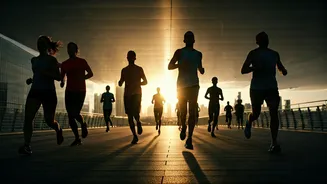
In cities like Mumbai, Delhi, and Bengaluru, the pre-dawn hours have become prime time for a new kind of social gathering. Groups of people—ranging from college students and young professionals to middle-aged executives and homemakers—congregate in parks,
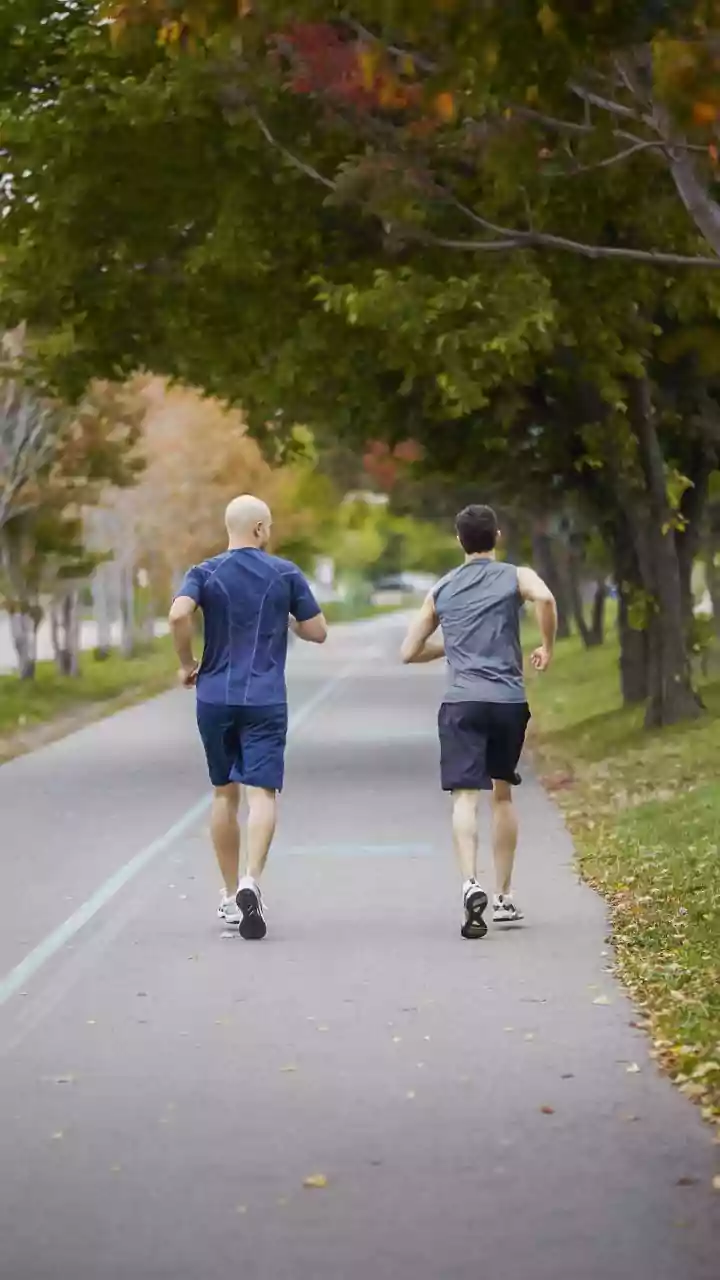
along waterfronts, and on newly cordoned-off streets. They aren't heading to a temple or a nightclub; they're part of a burgeoning movement of urban running communities. These aren't the solitary, headphone-clad joggers common in many Western cities. This is a collective experience. The groups are organized, often communicating through WhatsApp, and built around mutual encouragement. The faster runners circle back to cheer on the slower ones, and post-run breakfasts are as much a part of the ritual as the run itself. In the anonymity of urban India, where traditional community ties can fray, these running clubs are creating new, secular, and incredibly sticky social networks.
More Than Just Miles
So, why now? The boom is a response to several converging factors of modern Indian life. First, there's the rapid urbanization and the corresponding sense of isolation. As millions flock to cities for work, they leave behind the tight-knit social fabric of their hometowns. Running groups offer a ready-made, welcoming community, a “third place” outside of home and work where connections are forged over shared effort rather than caste, religion, or family background. Second, a growing and increasingly affluent middle class has become more health-conscious. Sedentary lifestyles and the prevalence of diseases like diabetes are a national concern, and running is an accessible, low-cost solution. The global wellness trend has found a uniquely Indian expression, with yoga and running now seen as two sides of the same holistic health coin. Finally, the pandemic acted as an accelerant. With gyms closed and social life curtailed, running outdoors became one of the few safe ways to exercise and connect with others, cementing its place in the urban routine.
The Marathon Effect
The rise of high-profile city marathons has been a massive catalyst. Events like the Tata Mumbai Marathon, the Delhi Half Marathon, and the Bengaluru Marathon now draw tens of thousands of participants. These races do more than just clog streets for a day; they provide a tangible goal for amateur runners and legitimize the sport in the public eye. Training for a marathon is a journey, and doing it with a group transforms it from a grueling individual challenge into a shared adventure. The spectacle of the marathon—with its corporate sponsorships, celebrity ambassadors, and massive media coverage—has made running aspirational. It’s no longer seen as a niche activity but as a symbol of discipline, endurance, and modern city living. This has created a virtuous cycle: marathons inspire people to start running, which fuels the growth of running communities, which in turn provides a larger base of participants for the next marathon.
Pounding the Pavement for Progress
Perhaps the most powerful aspect of this trend is its role in social change, particularly for women. In a country where public spaces have not always felt safe or welcoming for women, running in a group provides safety in numbers and a powerful sense of reclamation. Organizations like Pinkathon, India's biggest women-only run founded by actor and athlete Milind Soman, have been instrumental in encouraging women to prioritize their health and claim their right to be visible and active outdoors. For many women, joining a running club is a radical act of self-care and empowerment. It’s a space where they can be free from domestic expectations and social scrutiny, building confidence and camaraderie that extends far beyond the running trail. These groups are quietly challenging patriarchal norms, one morning run at a time.