








Beyond the Smart Speaker
When Americans think of a 'smart home,' they usually picture an Amazon Echo in the kitchen or a Nest thermostat on the wall. It’s functional, convenient, and increasingly common. But in the booming high-end residential market of India, the concept has
evolved into something far more sophisticated and integrated. We’re not talking about a few disconnected gadgets; we’re talking about a central AI 'brain' that manages the entire home environment. Imagine curtains that silently track the sun's position to optimize natural light, climate control that learns your family’s temperature preferences room by room, and security systems that can distinguish between a delivery person and an unfamiliar face at the gate. This is ambient computing woven into the very fabric of the house, where technology doesn’t just respond to commands—it proactively curates the perfect living experience.
The New Maharajas of Tech
So, why is this trend taking off in India right now? It’s a perfect storm of economic growth, cultural aspiration, and global exposure. India's burgeoning class of high-net-worth individuals—tech entrepreneurs, finance moguls, and successful professionals—are looking for status symbols that reflect a modern, global identity. The traditional markers of wealth, like ornate furniture or imported marble, are still present, but they’re now being supplemented by a demonstration of technological prowess. For this new elite, a home that thinks is the 21st-century equivalent of a palace staffed with unseen servants. It’s a powerful 'flex' because it signals not just wealth, but a mastery of the future. It says, 'I don’t just live in luxury; I live in an intelligent luxury tailored exclusively for me.' This is less about keeping up with the Joneses and more about living like the Jetsons.
When Technology Becomes Invisible
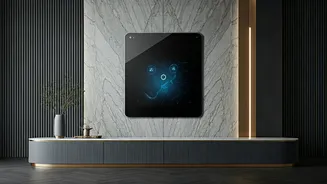
The key to making this a 'decor flex' and not just a tech showcase is seamless integration. The most coveted systems are the ones you can't see. Interior designers in cities like Delhi and Hyderabad work with automation experts from the blueprint stage to hide every wire, sensor, and speaker. Control panels are replaced by discreet, wall-mounted tablets that blend into the decor, or more often, by no physical interface at all. The home is controlled by subtle voice commands, gesture controls, or simply the owner’s presence. Motion sensors are embedded in ceilings, and speakers are plastered over to become sonically transparent parts of the wall. The aesthetic goal is to make the technology feel like magic. The luxury isn't in showing off the gadgets, but in the effortless, invisible intelligence that permeates the space. The result is a clean, minimalist aesthetic where the home’s performance does all the talking.
A Market in the Making
This demand has fueled a thriving market for home automation. While global giants like Crestron, Control4, and Savant have a strong presence, a growing ecosystem of Indian startups and system integrators are offering bespoke solutions tailored to local needs. They understand, for instance, the need for robust power backup integration in a country with occasional electricity fluctuations, or the desire for systems that can manage complex, multi-generational households with varying preferences. These firms are becoming instrumental in translating a client's aspirational vision into a functional, AI-powered reality. They are part architects, part programmers, and part lifestyle consultants, creating personalized digital ecosystems that are as unique as the homes they inhabit. This isn't an off-the-shelf product; it's a custom-commissioned service, which only adds to its exclusivity and appeal.