






The Allure of the Off-Season
For decades, the word “monsoon” was a warning for travelers planning a trip to South and Southeast Asia—a signal of canceled plans, flooded roads, and dreary, rain-filled days. Tourist seasons were built around avoiding it. But that perception is dramatically
shifting. A growing number of travelers are now seeking out the monsoon, drawn by the promise of lush, rejuvenated landscapes, fewer crowds, and a more profound connection to the local culture. This isn't about enduring the rain; it's about celebrating it. The trend is most visible in regions like India’s Western Ghats, including states like Kerala, Goa, and Maharashtra, where the rainy season transforms the environment into a vibrant, emerald-green paradise. Instead of mega-resorts, the experience is anchored in a more intimate setting: the homestay.
More Than Just a Room
A monsoon homestay is fundamentally different from a hotel. It’s an invitation into a local family’s world, offering a handful of rooms within or adjacent to their own home. This model of tourism is inherently personal and small-scale. The hosts often double as guides, cooks, and cultural ambassadors, sharing stories and insights you’d never find in a guidebook. During the monsoon, this intimate setting becomes even more compelling. While larger resorts can feel empty and isolated, a homestay buzzes with the quiet rhythm of daily life. The appeal lies in slowing down: reading a book on a veranda as rain patters on the roof, learning a family recipe in the kitchen, or simply watching the clouds roll over the hills from a cushioned window seat. It’s a move away from a checklist-driven itinerary and toward an experience-driven one.
Chasing Waterfalls and Hidden Trails
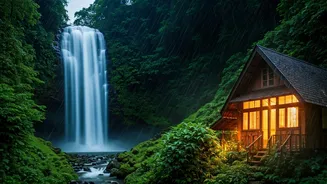
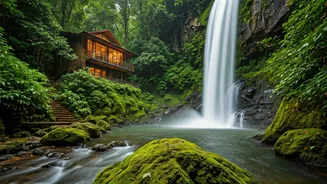
The single biggest draw of the monsoon landscape is water. Dry, dusty riverbeds swell into powerful currents, and cliffs that were barren just weeks before are suddenly ribboned with dozens of temporary, spectacular waterfalls. Homestay owners, intimately familiar with the local terrain, are curating experiences around this natural spectacle. Instead of a generic tour, you might get a guided trek with your host to a secluded cascade that only the locals know about. These trails, often shrouded in a mystical-looking mist, offer a completely different hiking experience. The air is cool and crisp, the vegetation is at its most vibrant, and the sounds of the forest are amplified by the rain. It’s an adventure for the senses—the smell of wet earth (petrichor), the sight of neon-green moss clinging to ancient trees, and the thunderous sound of a waterfall at its peak.
A Taste of the Monsoon
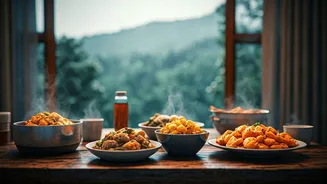
Just as the landscape changes, so does the food. The monsoon season brings its own unique culinary traditions, and homestays are the perfect place to explore them. Kitchens become hubs of seasonal cooking, focused on comfort, wellness, and hyperlocal ingredients. Forget generic buffet lines; here, you’ll find hot, crispy pakoras (vegetable fritters) served with steaming cups of masala chai—the quintessential rainy-day snack across India. Menus feature foraged wild greens and mushrooms that are only available during this time. Soups are heartier, spices are warmer, and meals are designed to be both nourishing and comforting. Many homestays offer informal cooking lessons, where guests can learn to prepare these seasonal dishes, transforming food from a simple necessity into a core part of the cultural immersion.
A Sustainable and Authentic Choice
Beyond the personal enjoyment, choosing a monsoon homestay is a powerful act of sustainable tourism. It provides income to local families during what was traditionally an economic lull, distributing tourist dollars more equitably into the community. By traveling in the “off-season,” visitors help reduce the strain on infrastructure that plagues popular destinations during peak months. This leads to a more relaxed and authentic experience for the traveler and a more manageable, beneficial form of tourism for the host community. You’re not just a tourist passing through; you’re a temporary member of a household, contributing directly to its livelihood and participating in a gentler, more mindful way of seeing the world.