




From Aesthetics to Longevity
For decades, the mainstream perception of strength training was tied almost exclusively to aesthetics: building bigger biceps or achieving a six-pack. That old stereotype is fading fast. The new, more powerful driver behind the iron renaissance is the science
of longevity and 'healthspan'—the number of years we live in good health. Research has definitively shown that resistance training is one of the most potent tools for aging gracefully. It builds and maintains bone density, fighting off osteoporosis. It increases muscle mass, which is crucial for a healthy metabolism and preventing age-related muscle loss (sarcopenia). A stronger body is simply more resilient. It’s better at regulating blood sugar, maintaining mobility, and protecting against falls and injuries. This shift transforms lifting from a young person’s game of vanity into a lifelong investment in your future self.
The Incredible Rebrand
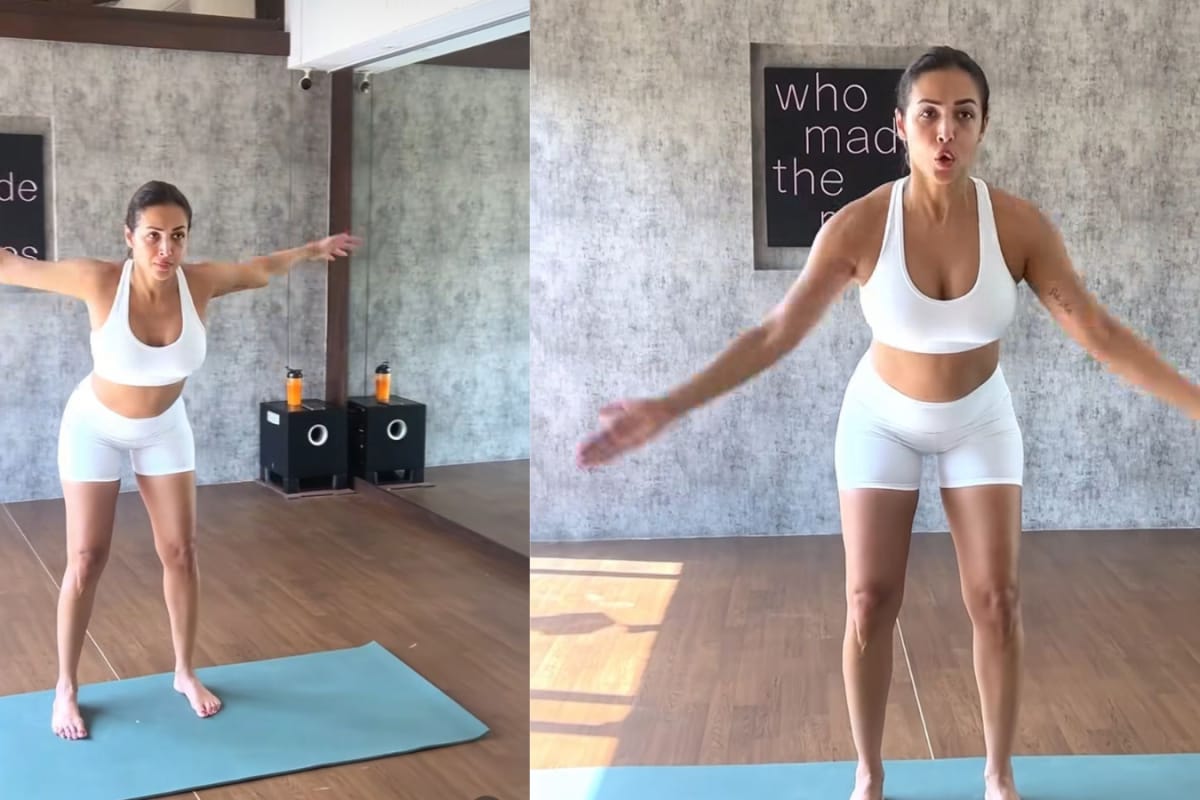
Let’s be honest: the weight room used to be an intimidating place. It was often seen as a hyper-masculine space, dominated by grunting 'bros' and complex, unwelcoming equipment. That image is now officially outdated. Strength training has undergone a massive cultural rebranding, becoming one of the most inclusive and welcoming corners of the fitness world. Women are leading the charge, embracing lifting not to get 'bulky'—a long-debunked myth—but to feel powerful, confident, and capable. Fitness influencers and accessible trainers on social media have demystified the squat rack and made proper form feel achievable for everyone. Gyms and studios are also fostering more community-oriented environments. This isn't just about men or women; it's about making strength accessible to older adults, adaptive athletes, and absolute beginners who are discovering that 'strong' looks and feels different on every single body.
Tech Makes It Personal
The final nail in the coffin for old-school gym intimidation is technology. You no longer need a pricey personal trainer standing over you to learn the ropes. The fusion of hardware and software has made guided strength training more accessible and personalized than ever. Smart home gyms like Tonal and Tempo use AI to correct your form in real time. The Peloton Guide uses its camera to track your movements and ensure you’re performing exercises safely. Beyond the big-ticket items, a universe of apps—from Future to Jefit to Ladder—offers customized programs and direct access to coaches for a fraction of the traditional cost. This tech layer removes guesswork, builds confidence, and provides the data-driven progress tracking that keeps people motivated. It meets people where they are, whether that's a corner of their living room or a fully stocked commercial gym.
A New Kind of Social 'Flex'
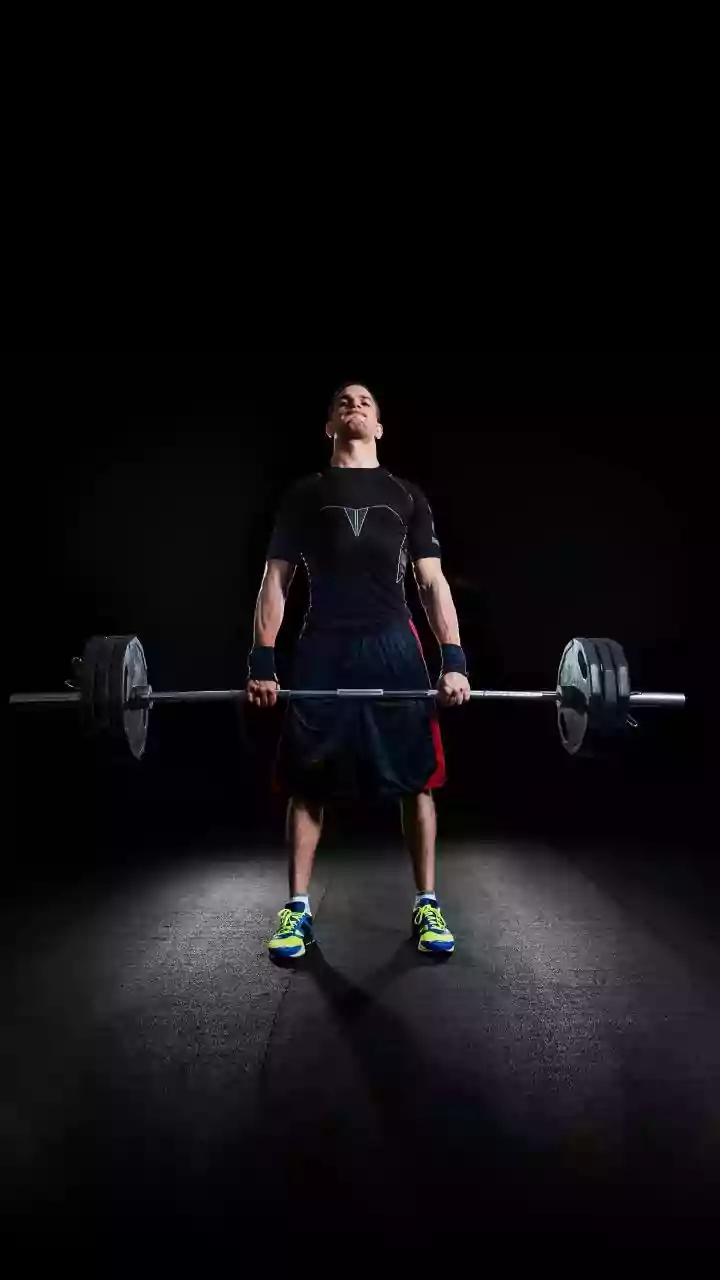
The term 'flex' in the headline is no accident. On platforms like TikTok and Instagram, the definition of a fitness flex has evolved. It’s less about a filtered post-workout selfie and more about showcasing progress and performance. Users share videos of themselves hitting a new personal record on a deadlift, mastering a pull-up, or simply showing the journey of learning a new movement. This content is powerful because it’s dynamic; it celebrates effort, consistency, and skill acquisition over a static, perfect image. It creates a virtuous cycle where newcomers are inspired by relatable progress, not just unattainable physiques. This performance-based social currency makes strength training uniquely compelling in the digital age. It’s a narrative of continuous improvement that you can capture on camera, rewarding consistency with both physical results and social validation.