





From Guard Dog to Fur Baby
To understand the food, you first have to understand the changing relationship. For generations in India, dogs were primarily functional—kept outdoors as guards or community animals. But for a rising generation of urban millennials and Gen Z, pets are
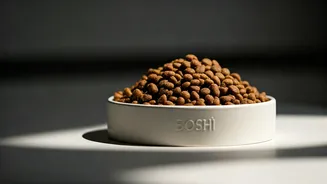
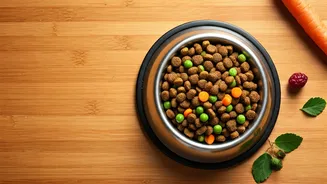
family. This phenomenon, often called “pet humanization,” is the single biggest driver of the trend. These young owners, often living in apartments and delaying marriage or children, lavish the same care and attention on their pets as they would a human family member. They see their dog or cat not as an animal to be fed, but as a being to be nourished. This emotional shift means the old standard of pouring dry, brown pellets into a bowl no longer feels adequate. It feels impersonal and disconnected, the pet equivalent of a frozen TV dinner every night.
A Cultural Distrust of Processed Foods
The skepticism toward commercial pet food isn't happening in a vacuum; it’s rooted in a broader Indian food culture that has long prioritized fresh, home-cooked meals. For many, the idea of eating highly processed food from a bag or a can every day is alien. This cultural bias extends naturally to their pets. Young Indians who grew up on meals made from fresh, local ingredients are now questioning what’s really in that bag of kibble. Vague ingredient lists, unpronounceable chemical names, and stories of recalls in the Western market have fostered a deep-seated distrust. They ask: If I wouldn’t eat a diet of only processed protein puffs, why should my pet? This mindset positions commercial pet food not as a convenience, but as a compromise on health and quality.
The Wellness Wave Hits the Pet Bowl
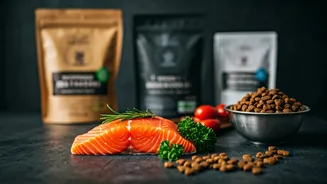
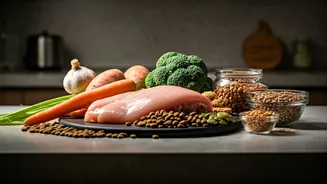
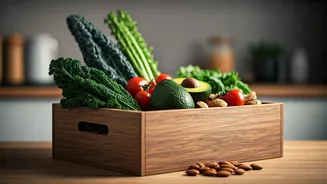
The global wellness movement has thoroughly permeated Indian urban centers, and its principles are now being applied to pets. Young Indians are hyper-aware of concepts like “clean eating,” gut health, and avoiding preservatives. They read labels, seek out organic produce for themselves, and are now doing the same for their pets. This has created a demand for transparency and quality that many legacy pet food brands are struggling to meet. The alternative? Wholesome, homemade recipes where the owner controls every ingredient. This isn’t about tossing table scraps; it's about thoughtfully preparing balanced meals. Common ingredients include lean chicken, fish, lentils, rice, vegetables like carrots and pumpkin, and traditional beneficial additions like turmeric and coconut oil. The goal is a diet that is seen as both preventative medicine and an act of love.
A New Market for Fresh Food
This movement has also fueled a booming cottage industry and a new wave of tech-savvy startups. Recognizing that not every pet owner has the time to cook daily, entrepreneurs are launching subscription services that deliver pre-portioned, freshly cooked meals tailored to a pet’s specific needs—factoring in age, breed, weight, and health conditions. These companies, with names like Heads Up For Tails and Dogsee Chew, bridge the gap between the desire for homemade quality and the reality of a busy urban lifestyle. Their marketing emphasizes human-grade ingredients, transparent sourcing, and the absence of fillers or preservatives. They are essentially the “Blue Apron” for pets, offering a convenient solution that aligns perfectly with the values of their target demographic: health, quality, and a deep emotional connection to their animal companions.