


The Gut Health Revolution
The single biggest reason for fiber’s comeback is our growing obsession with gut health. For years, doctors told us to eat fiber for “regularity,” a polite but uninspiring pitch. Today, we understand the bigger picture. Our gut is home to trillions of
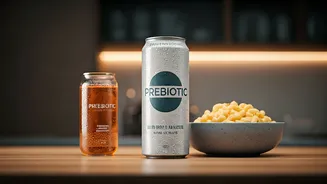
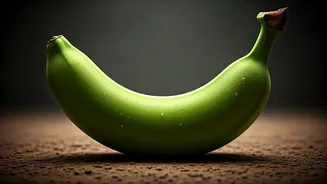
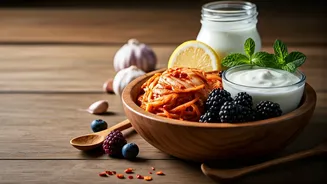
microbes—the gut microbiome—that influence everything from our digestion and immune system to our mood. And what’s the preferred food for these beneficial gut buddies? Fiber. Specifically, prebiotic fiber found in foods like onions, garlic, bananas, and whole grains acts as fuel for healthy bacteria. This new understanding has reframed fiber from a simple plumbing-fixer to a cornerstone of holistic wellness. When eating fiber is seen as an act of nurturing your body’s internal ecosystem, it becomes a much more compelling and positive choice.
An Expanded, Global Pantry
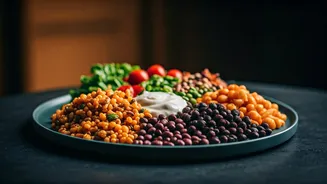
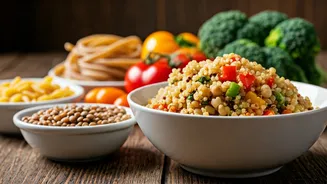
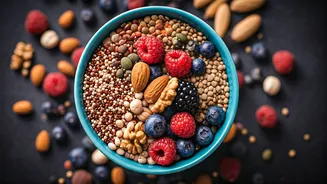
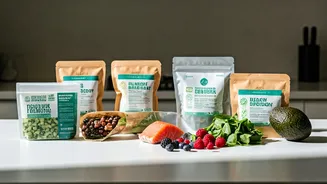
The modern American pantry is more diverse than ever, and that has been a huge win for fiber. We’ve moved far beyond a sad can of beans. Now, supermarket shelves are stocked with an incredible array of fiber-packed ingredients from around the world. Chia seeds and flaxseeds have gone from niche health food items to smoothie and yogurt-bowl staples, providing fiber, omega-3s, and satisfying texture. Ancient grains like quinoa, farro, and freekeh offer nutty, complex flavors that stand up to bold dressings and roasted vegetables. Even the pasta aisle has diversified, with delicious options made from chickpeas, lentils, and edamame that pack a significant protein and fiber punch without sacrificing that comforting, carby satisfaction. These ingredients aren't just functional; they're genuinely delicious and open up a new world of culinary possibilities.
Flavor-First Cooking Techniques
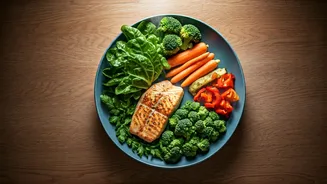
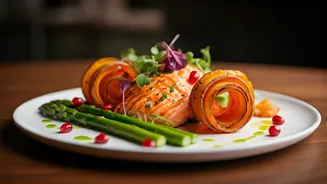
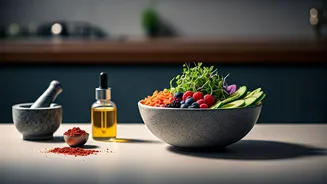
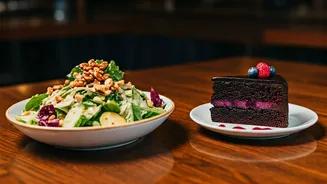
Perhaps the most important shift is in the kitchen. Chefs and savvy home cooks are no longer treating high-fiber ingredients as an obligation to be hidden. Instead, they’re celebrating them. The secret is applying flavor-first techniques. Vegetables are no longer sadly steamed into submission. They’re roasted at high heat until their natural sugars caramelize, creating crispy edges and a deep, savory taste. A simple head of broccoli or a pan of Brussels sprouts becomes irresistible this way. Hearty greens like kale and collards are braised with smoked paprika, garlic, and a splash of vinegar, transforming them into a silky, flavorful side dish. Salads have become complex constructions of textures and tastes, layering crunchy seeds, creamy avocado, chewy grains, and sharp, acidic dressings. The new rule is simple: fiber-rich food should be treated with the same respect and creativity as any other premium ingredient.
Easy, Everyday Upgrades
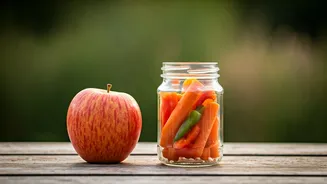
Incorporating more fiber doesn't require a radical diet overhaul. The beauty of its modern renaissance is how easy it is to make small, impactful swaps. Start your day by adding a tablespoon of ground flaxseed or a scoop of high-fiber granola to your yogurt. When making sandwiches, choose a hearty, whole-grain sourdough or rye bread over plain white. For an afternoon snack, instead of reaching for chips, try crunchy jicama sticks with guacamole, a handful of almonds, or an apple with peanut butter. Even dessert can get a fiber boost; try making avocado chocolate mousse or black bean brownies (don't knock it 'til you've tried it). The goal isn’t perfection, but progress. By focusing on adding—rather than restricting—you can effortlessly increase your fiber intake while discovering new favorite foods.