




Beyond Just Calories In, Calories Out
For decades, the diet mantra has been simple: burn more calories than you consume. While that's still the basic physics of weight management, it misses a huge piece of the puzzle: your hormones. Think of hormones as your body's internal messaging system,
telling you when you're hungry, full, stressed, or storing energy. Hormone-smart eating, also known as 'hormone balancing diets,' shifts the focus from simple calorie counting to choosing foods that promote a healthier hormonal response. The goal is to regulate the signals that drive cravings, control appetite, and influence fat storage, making your efforts feel less like a constant battle against your own body.
Meet the Key Hormonal Players
You don’t need a degree in endocrinology to get the basics. A few key hormones are at the center of this approach. First is insulin, the 'storage' hormone. When you eat refined carbs and sugar, insulin spikes to move sugar out of your blood and into your cells for energy or storage as fat. Constant spikes can lead to energy crashes and more cravings. Then there are ghrelin and leptin, your 'hunger and fullness' duo. Ghrelin says, 'I'm hungry!' while leptin says, 'I'm full!' Certain foods and eating patterns can disrupt this conversation, leaving you feeling unsatisfied. Finally, cortisol, the 'stress' hormone, can increase appetite (especially for sugary, fatty foods) and encourage belly fat storage when chronically elevated. The idea is to eat in a way that keeps these powerful players in balance.
Building a Hormone-Friendly Plate
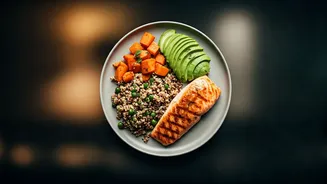
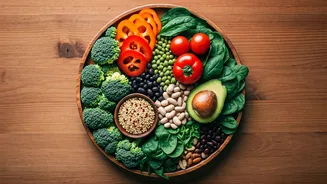
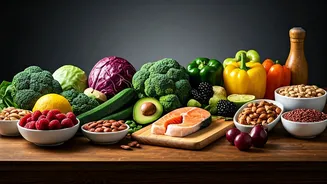
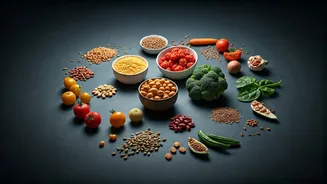
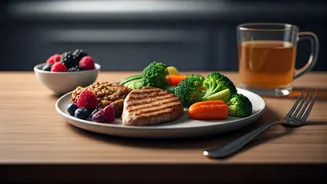
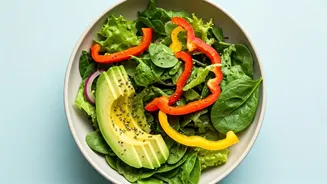
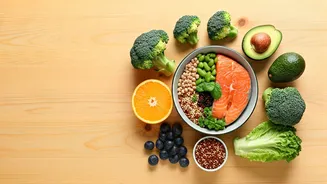
So, what does a hormone-smart meal actually look like? It’s less about restriction and more about strategic combination. The formula is often called the 'trifecta' of protein, healthy fats, and fiber. Each component plays a role. Protein is crucial for satiety and helps stabilize blood sugar. Healthy fats (like those from avocado, nuts, and olive oil) also promote fullness and are essential for hormone production. Fiber, found in vegetables, fruits, and whole grains, slows down digestion, preventing the sharp insulin spikes that come from processed carbs. A sample meal might be grilled salmon (protein and fat), a large serving of roasted broccoli (fiber), and a small portion of quinoa (fiber-rich carb). This combination is designed to give you steady energy and keep you full for hours, silencing the hormonal noise that leads to random snacking.
It's Not Just What, but When
Timing can also be a factor. For example, some proponents of this approach suggest avoiding skipping breakfast, as doing so can raise cortisol levels and set you up for cravings later in the day. A protein-rich breakfast can set a stable hormonal tone for the morning. Similarly, limiting heavy carbs late at night is often recommended. Your body’s insulin sensitivity tends to decrease as the day goes on, meaning it's less efficient at handling sugar in the evening. This doesn’t mean you need a rigid, unforgiving schedule. It’s more about being mindful of your body’s natural rhythms and avoiding patterns—like relying on a morning croissant and a late-night bowl of pasta—that send your hormones on a rollercoaster.
Is This Just a Rebranded Healthy Diet?
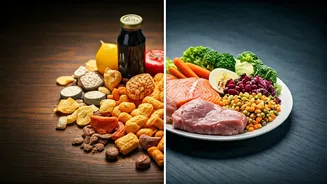
Here’s the honest answer: yes and no. The marketing term 'hormone-smart' is relatively new, but the core principles are not. For years, registered dietitians have been advising people to eat whole foods, balance their macronutrients, prioritize fiber, and manage stress for better health outcomes. What's different is the framing. Instead of just saying 'eat this because it's good for you,' the hormone-centric approach explains the 'why' in a way that resonates with people who feel their bodies are working against them. It gives a biological reason for why a balanced meal of protein and veggies feels more satisfying than a candy bar with the same number of calories. It’s a powerful mental shift from punishing your body to nourishing it intelligently.